
Pakistan claims to have killed at least 70 militants in strikes along Afghan border
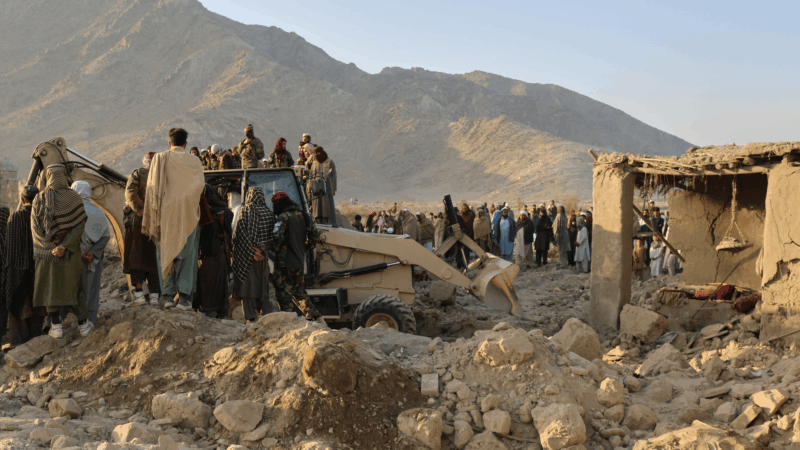
KABUL, Afghanistan — Pakistan’s military killed at least 70 militants in strikes along the border with Afghanistan early Sunday, targeting what it described as hideouts of Pakistani militants it blamed for recent attacks inside the country, the deputy interior minister said.
Talal Chaudhry, Pakistan’s deputy interior minister, told Geo News that at least 70 militants were killed in the strikes. He offered no evidence. Pakistan’s state-run media later reported that militant casualties from the strikes jumped to 80.
The Afghan defense ministry said in a statement that “various civilian areas” in the provinces of Nangarhar and Paktika in eastern Afghanistan were hit, including a religious madrassa and multiple civilian homes. The statement called the strikes a violation of Afghanistan’s airspace and sovereignty.
Afghan government spokesperson Zabihullah Mujahid earlier on X said the attacks “killed and wounded dozens, including women and children.”
Mawlawi Fazl Rahman Fayyaz, the provincial director of the Afghan Red Crescent Society in Nangarhar province, said 18 people were killed and several others wounded.
Clearing rubble and burying the dead
Afghanistan’s Ministry of Foreign Affairs summoned Pakistan’s ambassador to Kabul and handed him a note of protest over the Pakistani strikes. In a statement, the ministry said protecting Afghanistan’s territory is the Islamic Emirate’s “Sharia responsibility” and warned that Pakistan would be responsible for the consequences of such attacks.
On Sunday, villagers were seen clearing rubble in Nangarhar following airstrikes, while mourners were preparing for funerals of those killed. Habib Ullah, a local tribal elder, said those killed in the strikes were not militants. “They were poor people who suffered greatly. Those killed were neither Taliban, nor military personnel, nor members of the former government. They lived simple village lives,” he told The Associated Press.
Pakistan’s Information Minister Attaullah Tarar wrote on X that the military conducted “intelligence-based, selective operations” against seven camps belonging to the Pakistani Taliban, or TTP, and its affiliates. He said an affiliate of the Islamic State group was also targeted.
Tarar said Pakistan “has always strived to maintain peace and stability in the region,” but added that the safety and security of Pakistani citizens remained a top priority.
Pakistan blames Afghans for suicide bombings
Militant violence has surged in Pakistan in recent years, much of it blamed on the TTP and outlawed Baloch separatist groups. The TTP is separate from but closely allied with Afghanistan’s Taliban. Islamabad accuses the TTP of operating from inside Afghanistan, a charge both the group and Kabul deny.
Hours before the Pakistani strikes, a suicide bomber targeted a security convoy in the border district of Bannu in Pakistan’s northwest, killing two soldiers, including a lieutenant colonel. Pakistan’s military warned after the attack that it would not “exercise any restraint” and that operations against those responsible would press on.
Another suicide bomber, backed by gunmen, rammed an explosives-laden vehicle last week into the wall of a security post in Bajaur district in northwestern Khyber Pakhtunkhwa province, which borders Afghanistan, killing 11 soldiers and a child. Pakistani authorities later said the attacker was an Afghan national.
Tarar said Pakistan had “conclusive evidence” that the recent attacks, including a suicide bombing that targeted a Shiite mosque in Islamabad and killed 31 worshippers earlier this month, were carried out by militants acting on the “behest of their Afghanistan-based leadership and handlers.”
He said Pakistan had repeatedly urged Afghanistan’s Taliban rulers to take verifiable steps to prevent militant groups from using Afghan territory to launch attacks in Pakistan, but alleged that no substantive action had been taken. Tarar also asked the international community to press Afghanistan’s Taliban authorities to uphold their commitments under the Doha agreement not to allow their soil to be used against other countries.
In Islamabad, security analyst Abdullah Khan said the Pakistani strikes suggest that Qatari, Turkish and even Saudi-led mediations have failed to resolve tensions between Pakistan and Afghanistan. “These strikes are likely to further escalate the situation,” he said.
The Qatari-mediated ceasefire between the two countries came about after deadly border clashes in October, killing dozens of soldiers, civilians and suspected militants. The violence followed explosions in Kabul that Afghan officials blamed on Pakistan. Islamabad, at the time, conducted strikes deep inside Afghanistan to target militant hideouts.
The truce between Islamabad and Kabul has largely held, but several rounds of talks in Istanbul in November failed to produce a formal agreement, and relations remain strained.
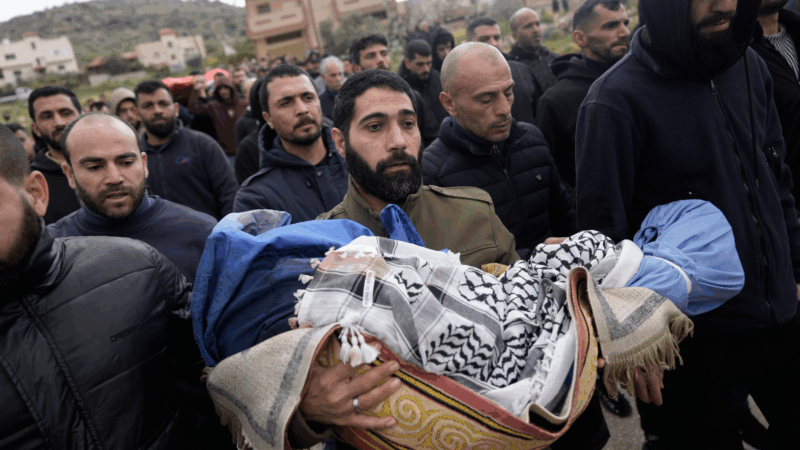
Israeli soldiers fire on family car in occupied West Bank, killing 4
Israeli soldiers fired on a car carrying a family in the northern West Bank, killing four people including two children, the Palestinian Authority's Health Ministry said.
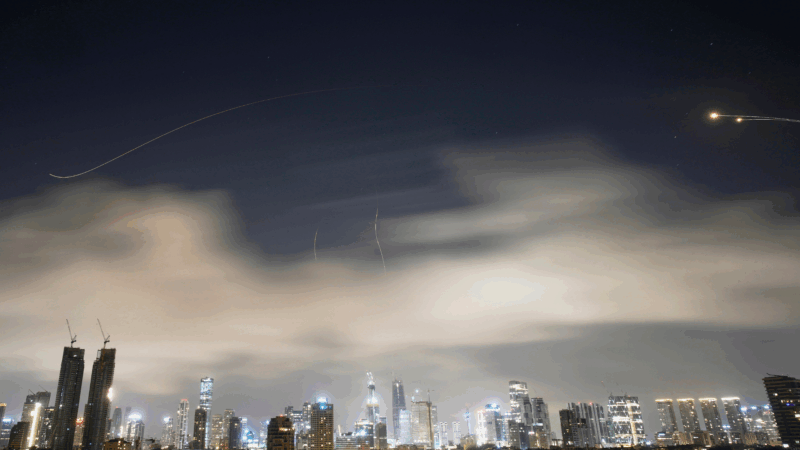
U.S. military names six killed in plane crash as Iran war enters third week
The conflict in the Middle East has entered a third week, with Israel announcing a barrage of new strikes on western Iran on Sunday, while the U.S. defense department released the names of six service members who died when their military refueling aircraft crashed.
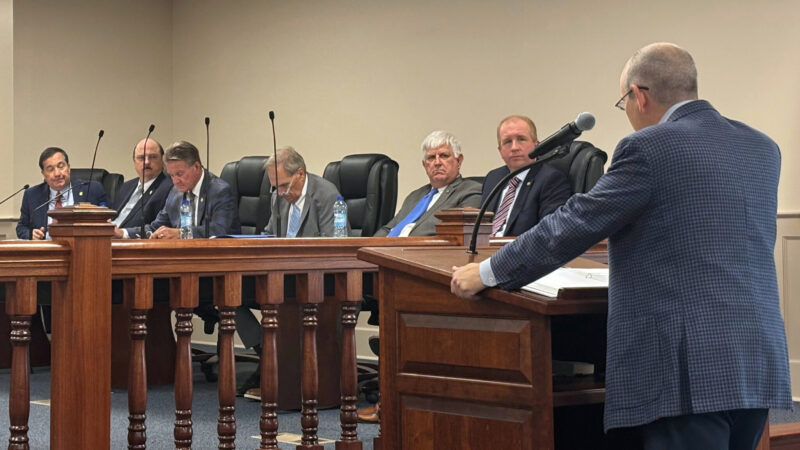
Alabama poised to drastically overhaul utility regulation. Will it lower electric bills?
The Alabama Senate unanimously voted to expand the public service commission, and create a Secretary of Energy to address rising electricity prices. A bill in the House would go even further, requiring rate case hearings and limiting utility profits.

Acclaimed 20th century philosopher Jürgen Habermas dies at 96
Associated with the Frankfurt School, Habermas was a world-renowned thinker on modernity and democracy who helped shape German post-war and post-reunification political discourse.

Why the Chicago Bears could be moving to Indiana
While Illinois is trying to keep the team in Chicago's suburbs, Indiana lawmakers are offering a plan to finance a new stadium
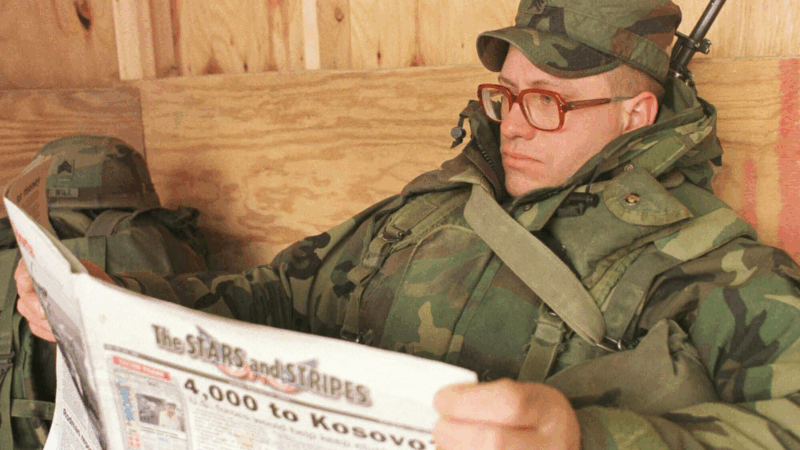
Pentagon tightens controls over Stars and Stripes after calling it “woke”
The new rules for the independent military newspaper are the Defense Department's latest effort to put extraordinary restrictions on journalists covering the agency.
