
Opinion: The enduring dignity of Jesse Jackson
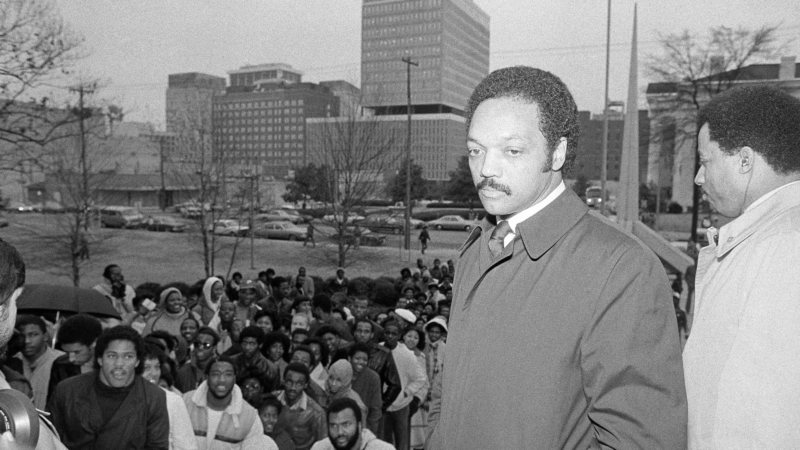
I covered the Rev. Jesse Jackson from the mid 1970’s, when I was a scruffy underground press reporter, and he was the young minister who had marched with Martin Luther King Jr. and was there when Dr. King was assassinated.
He was matchlessly eloquent and compelling, but he had his critics, both political and personal. Politics in Chicago can be fierce and fractious.
I went down to Mississippi in 1984 to cover his first campaign for president; by then I was working for NPR. At a press conference at a school in Jackson, another reporter from Chicago and I noticed the watch on Jackson’s wrist. It was gold, thick, and bejeweled.
We asked, “What can you tell us about your watch, Reverend Jackson?”
He glanced down with disdain. It was a gift from an African head of state, he told us, who appreciated his work for social justice.
We asked, “Would this expensive gift make you support his policies if you became president? Should presidential candidates take valuable personal gifts from foreign leaders?”
The reverend fumed. As we filed out of the classroom, Jackson took us both in his strong grip to ask, “You boys fly down from The Big Windy just to give me junk about a watch?” And he didn’t say junk.
The Jackson campaign rolled on through Meridian, Natchez, and Hattiesburg. Many of the towns had been notorious datelines during the Civil Rights Movement. He’d remind crowds that there were many unregistered Black voters in those counties — he was running to change that — and recall the story of David slaying Goliath to thunder that unregistered voters were, “Rocks, just laying around…
“It’s 1984 now!” Jackson would peal. “Hands that once picked cotton can now pick presidents.”
The crowds would raise their hands to cheer, and dab their eyes.
We reporters had a couple of other small skirmishes with the reverend on his campaign swing. But the last night on the trail ended with a prayer meeting in a church, where Jackson summoned the same power to rouse a small congregation as he would a crowd of thousands. As he called on parishioners to sing “Just A Closer Walk with Thee”, one of his aides leaned over to me in a church pew to say, “The reverend would like you to join him in the Amen Corner.”
Reporters should not join candidates on campaign platforms. But it was a church, filled with people who had lived through history, and now sang in prayer. Sometimes, even reporters have human responses. When The Rev. Jackson died this week at the age of 84, I felt blessed to remember that one night in Mississippi, I got to stand in the Amen Corner with Jesse Jackson. His words seemed to pierce the heavens.

Israeli soldiers fire on family car in occupied West Bank, killing 4
Israeli soldiers fired on a car carrying a family in the northern West Bank, killing four people including two children, the Palestinian Authority's Health Ministry said.

U.S. military names six killed in plane crash as Iran war enters third week
The conflict in the Middle East has entered a third week, with Israel announcing a barrage of new strikes on western Iran on Sunday, while the U.S. defense department released the names of six service members who died when their military refueling aircraft crashed.
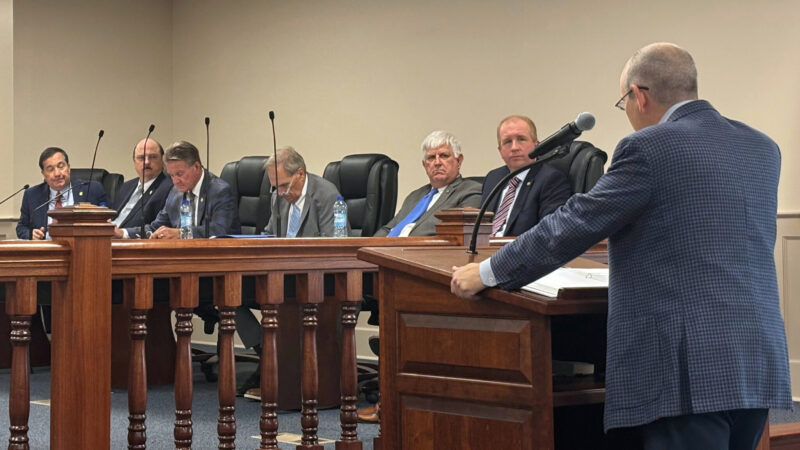
Alabama poised to drastically overhaul utility regulation. Will it lower electric bills?
The Alabama Senate unanimously voted to expand the public service commission, and create a Secretary of Energy to address rising electricity prices. A bill in the House would go even further, requiring rate case hearings and limiting utility profits.

Acclaimed 20th century philosopher Jürgen Habermas dies at 96
Associated with the Frankfurt School, Habermas was a world-renowned thinker on modernity and democracy who helped shape German post-war and post-reunification political discourse.
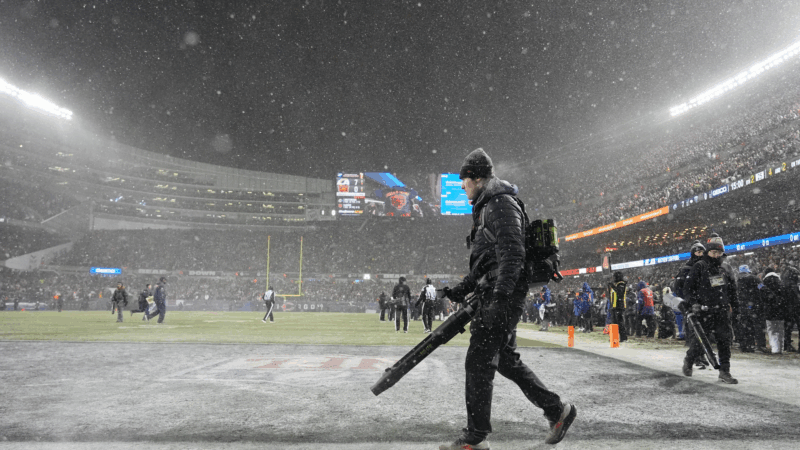
Why the Chicago Bears could be moving to Indiana
While Illinois is trying to keep the team in Chicago's suburbs, Indiana lawmakers are offering a plan to finance a new stadium

Pentagon tightens controls over Stars and Stripes after calling it “woke”
The new rules for the independent military newspaper are the Defense Department's latest effort to put extraordinary restrictions on journalists covering the agency.
