
Opinion: An ancient, sophisticated palate

We might look at cave paintings and conclude that our prehistoric ancestors speared a bison or saber-toothed tiger and just hefted their carcasses into a fire. But new research suggests that our forbears had more varied and cosmopolitan tastes, centuries before the Guide Michelin.
A study in the scientific journal PLOS ONE looked at what they call “foodcrusts” on potshards left by ancient people who lived between 5,000 and 8,000 years ago in what’s now northern Europe.
Oliver Craig of the University of York, one of 22 co-authors of the study, told us those dirty dishes suggest the true paleo diet was more sophisticated than researchers had seen sifting through cooking fire ashes looking for bits of bone.
“We examined 85 pot shards,” he said. “58 of them had identifiable fragments of plants, roots, tubers, and leaves,” including traces of carp and other fresh-water fish, viburnum berries, which kind of taste like what we know as cranberries, amaranth, beets, and an edible weed known as oak-leaved goosefoot.
“They were remarkably selective in what they cooked, too, and how,” he said. “It’s as if they were working out ‘recipes.'”
The spoils of both hunting and gathering, piquantly rendered into cave meals! Plated or family-style? And what spirits might you pair with this tundra-to-flat stone cuisine?
So perhaps ancient humans didn’t just sit around campfires, telling tales of the hunt, and looking into the stars for signs from the gods.
Instead, maybe they smacked their lips and asked, “Did you think the viburnum berries were a little flavor forward?” Or, “Could you detect the terroir of that oak-leaved goosefoot?” Or, “Could those beets have used a touch more amaranth?”
Humans of 8,000 years ago might have looked into the heavens and cried out, “How many centuries do we have to wait for an oat milk latte around here?”

Russian strike on Kyiv region kills 4 and wounds 15, with peace talks stalled
The strikes comes after the United States paused ceasefire talks between Russia and Ukraine due to the war with Iran.
As the risk of measles grows, why are parents so divided on vaccines?
In South Carolina, some parents embrace vaccines, others opt out. Why do people make such different choices? A mix of politics, distrust and misinformation is pushing neighbors apart.

Brazil’s ex-President Bolsonaro is in intensive care with pneumonia, hospital says
One of Bolsonaro's doctor's described the former Brazilian president's medical condition as "serious."
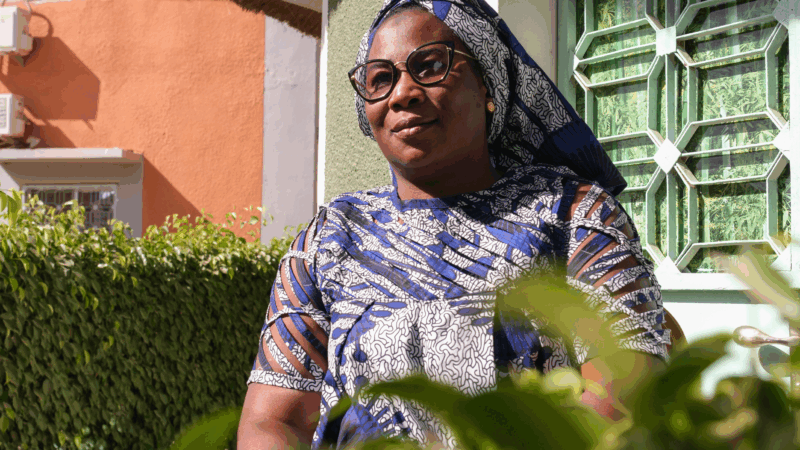
Why women have an especially tough time in Senegal’s prisons
Women charged with a crime in Senegal are at the mercy of a slow judicial process and prisons that may lack basic supplies. They also face stigma that robs them of familial and community support.
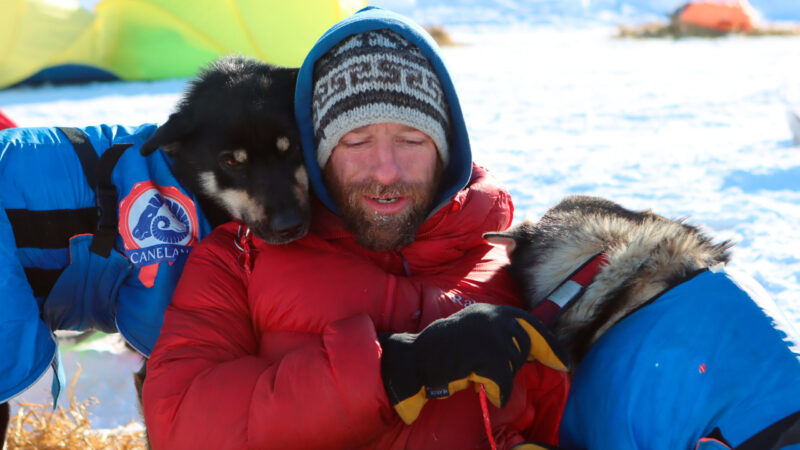
Musher from Alabama is going for back-to-back Iditarod wins
Riches and paid appearances haven’t followed Jessie Holmes since he won the world’s most famous sled dog race, the Iditarod, last year. He doesn't mind.
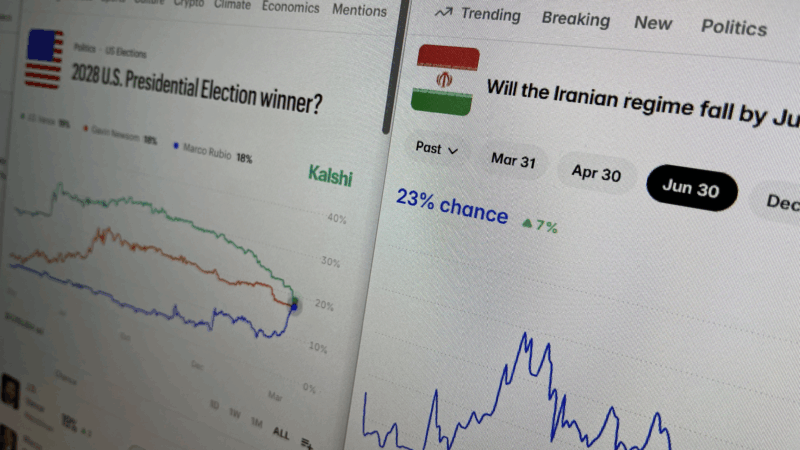
With boom in prediction markets, some lawmakers worry about how to police themselves
House and Senate ethics committees give no financial disclosure guidance on event contracts or prediction markets — unlike stock, cryptocurrency and bond trades.
