
OpenAI forges deal with iPhone designer Jony Ive to make AI-enabled devices
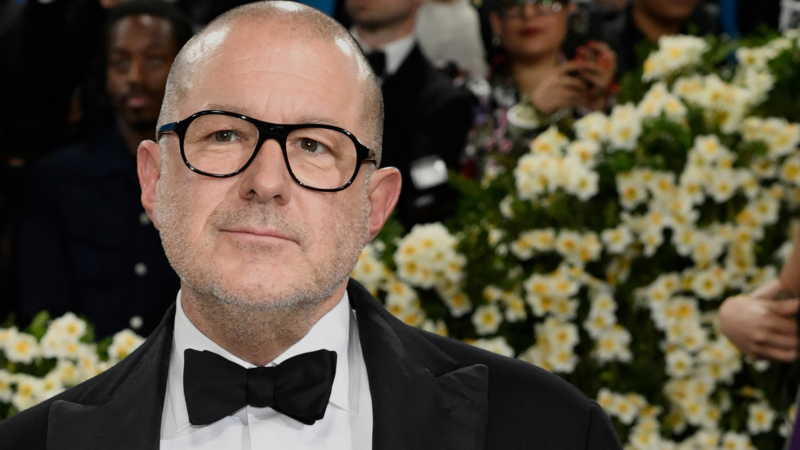
OpenAI, maker of leading artificial intelligence chatbot ChatGPT, is about to get physical.
The company announced that it is buying a device startup called io, launched by former Apple designer Jony Ive, in a deal worth just under $6.5 billion. It’s OpenAI’s biggest acquisition to date.
The tie-up brings together two giants in the tech world: Ive, who designed the iPhone and other iconic Apple products, and OpenAI Chief Executive Sam Altman, who has been at the forefront of AI development.
The two announced the agreement in a video on Wednesday. Altman said their mission will be “figuring out how to create a family of devices that would let people use AI to create all sorts of wonderful things.”
The underlying idea, he said, is that current devices — laptops, phones — are outdated, and not optimized for AI. “AI is an incredible technology, but great tools require work at the intersection of technology, design, and understanding people and the world,” Altman said without giving further details.
Several other companies are vying for a toehold in the arena of AI-enabled devices, which are able to sense the real world and process information about it in real time using artificial intelligence. Devices could include robots, autonomous vehicles, glasses or other wearable technologies.
The technology is often referred to as “physical AI,” because it moves AI from the realm of software into tangible objects.
Ive and his design firm LoveFrom, which he started after leaving Apple in 2019, will assume design and creative responsibilities across OpenAI and io, the announcement said. Altman and Ive said they would publicly share their work next year, although they did not give details.
Chirag Dekate, an analyst with the tech consultancy Gartner, called the tie-up a “decisive step to shape the user experience end-to-end.”
“This move secures world-class design expertise and product engineering talent, essential for translating powerful AI models that OpenAI is known for, into tangible, intuitive platform powered experiences,” he wrote in an email to NPR. “The race for dominating and shaping Physical AI will accelerate because of OpenAI’s strategic moves.”
It’s unclear exactly what Altman and Ive have in mind, and an OpenAI spokesperson declined to provide details. Altman previously invested in a company called Humane, which made an AI-enabled lapel pin.
Prior to the deal, which OpenAI says is expected to close this summer, the company already owned 23% of io in a collaborative agreement forged last year.
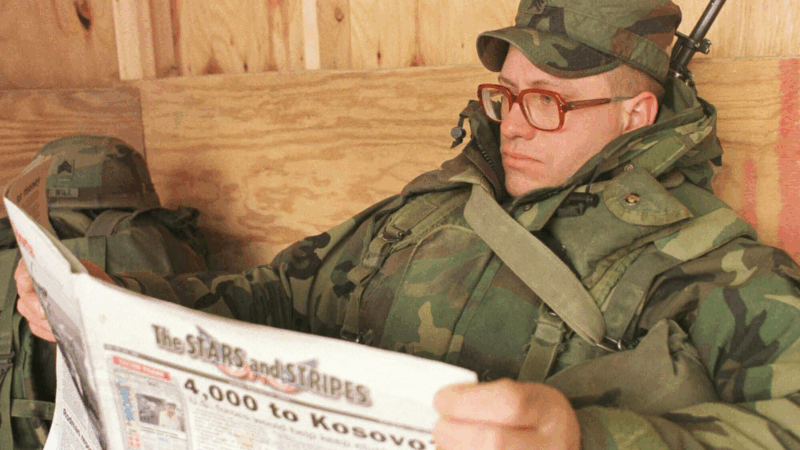
Pentagon tightens controls over Stars and Stripes after calling it “woke”
The new rules for the independent military newspaper are the Defense Department's latest effort to put extraordinary restrictions on journalists covering the agency.
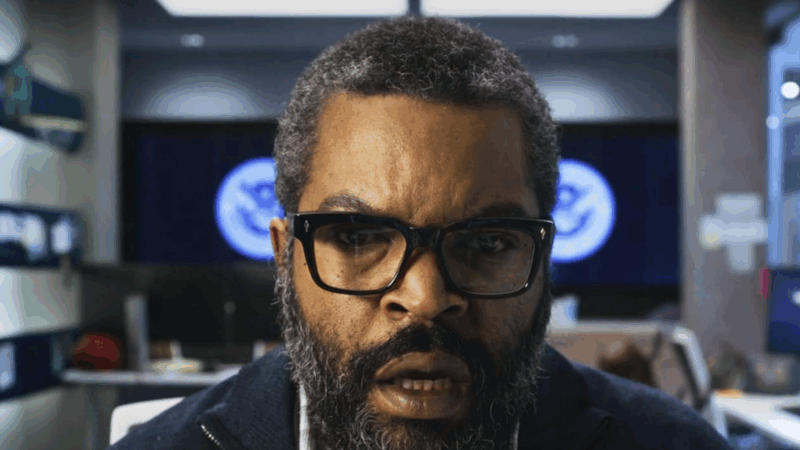
‘War of the Worlds’ remake sinks to the bottom at this year’s Razzie Awards
The surveillance industry version of HG Wells' 1898 classic sci-fi novel stars Ice Cube, and won accolades for worst picture, actor, director and more.

Russian strike on Kyiv region kills 4 and wounds 15, with peace talks stalled
The strikes comes after the United States paused ceasefire talks between Russia and Ukraine due to the war with Iran.
As the risk of measles grows, why are parents so divided on vaccines?
In South Carolina, some parents embrace vaccines, others opt out. Why do people make such different choices? A mix of politics, distrust and misinformation is pushing neighbors apart.
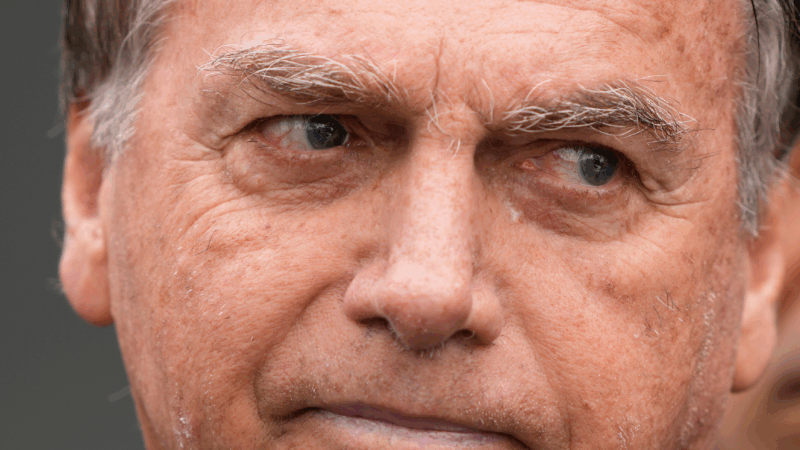
Brazil’s ex-President Bolsonaro is in intensive care with pneumonia, hospital says
One of Bolsonaro's doctor's described the former Brazilian president's medical condition as "serious."

Opinion: An ancient, sophisticated palate
Researchers looking at foodcrusts on the pottery shards of ancient humans say there's evidence of a wide variety of ingredients, indicating that they may have been experimenting with "recipes."
