
OpenAI blocks MLK Jr. videos on Sora after ‘disrespectful depictions’
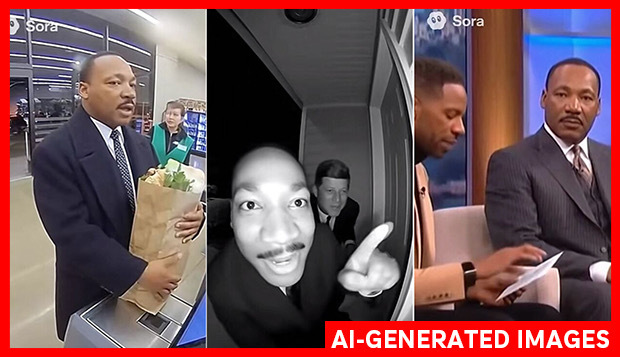
OpenAI has blocked users from making videos of Martin Luther King Jr. on its Sora app after the estate of the civil rights leader complained about the spread of “disrespectful depictions.”
Since the company launched Sora three weeks ago, hyper-realistic deepfake videos of King saying crude, offensive or racist things have rocketed across social media, including fake videos of King stealing from a grocery store, speeding away from police and perpetuating racial stereotypes.
Late on Thursday, OpenAI and King’s estate released a joint statement saying AI videos portraying King are being blocked as the company “strengthens guardrails for historical figures.”
OpenAI said it believes there are “strong free speech interests” in allowing users to make AI deepfakes of historical figures, but that estates should have ultimate control over how those likenesses are used.
The Sora app, which remains invite-only, has taken a shoot-first, aim-later approach to safety guardrails, which has raised alarms with intellectual property lawyers, public figures and disinformation researchers.
When someone joins the app, they are instructed to record a video of themselves from multiple angles and record themselves speaking. Users can control whether others can make deepfake videos of them, which Sora calls a “cameo.”
But the app allowed people to make videos of many celebrities and historical figures without explicit consent, enabling users to create fake footage of Princess Diana, John F. Kennedy, Kurt Cobain, Malcolm X and many others.
Kristelia García, an intellectual property law professor at Georgetown Law, said for OpenAI to only act after King’s estate complained is consistent with the company’s “asking forgiveness, not permission” approach.
“The AI industry seems to move really quickly, and first-to-market appears to be the currency of the day (certainly over a contemplative, ethics-minded approach),” García told NPR in an email.
She noted how right-to-publicity and defamation laws vary by state and may not always apply to deepfakes, meaning there could be “little legal downside to just letting things ride unless and until someone complains.”
While the ability to control how one’s likeness depends on where someone’s estate is based, some states have strong protections, like California, where heirs to a public figure, or their estate, own the rights to likeness for 70 years after a celebrity’s death.
In the days after the Sora app was released, OpenAI CEO Sam Altman announced changes to the app providing rights holders the ability to opt into their likenesses being depicted by AI, rather than such portrayals being allowed by default.
Still, the families of some deceased celebrities and public figures have criticized OpenAI for allowing depictions of vulgar, unflattering or incriminating behavior.
After videos of Robin Williams flooded social media feeds, Zelda Williams, the late actor’s daughter, asked the public to stop making videos of her father. “Please, just stop sending me AI videos of my dad,” she wrote in an Instagram post, adding that “it’s NOT what he’d want.”
Bernice King, the civil rights leader’s daughter, agreed, writing on X: “Please stop.”
Hollywood studios and talent agencies have also expressed concern that OpenAI unveiled the Sora app without receiving consent from copyright holders.
It’s an approach similar to how the company has developed ChatGPT, which sucked up droves of copyrighted content without approval or payment before eventually striking licensing deals with some publishers. The approach has sparked a wave of copyright lawsuits.
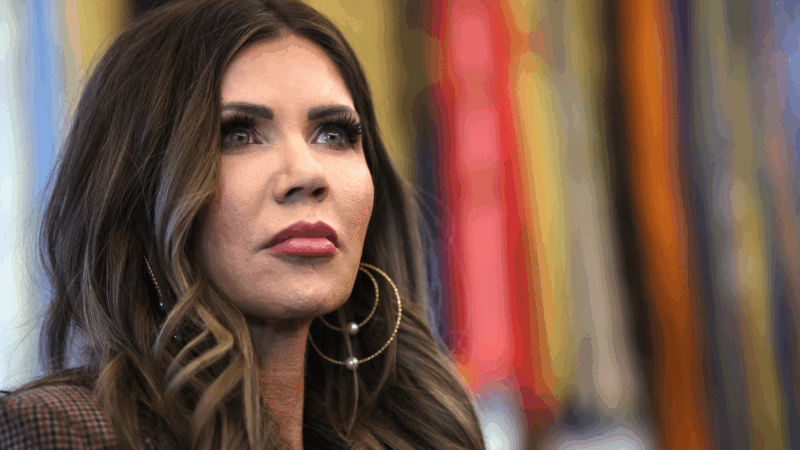
Trump fires Kristi Noem as DHS chief, names Sen. Markwayne Mullin to replace her
President Trump has fired his homeland security secretary, Kristi Noem, and said Markwayne Mullin, a senator from Oklahoma, would replace her.
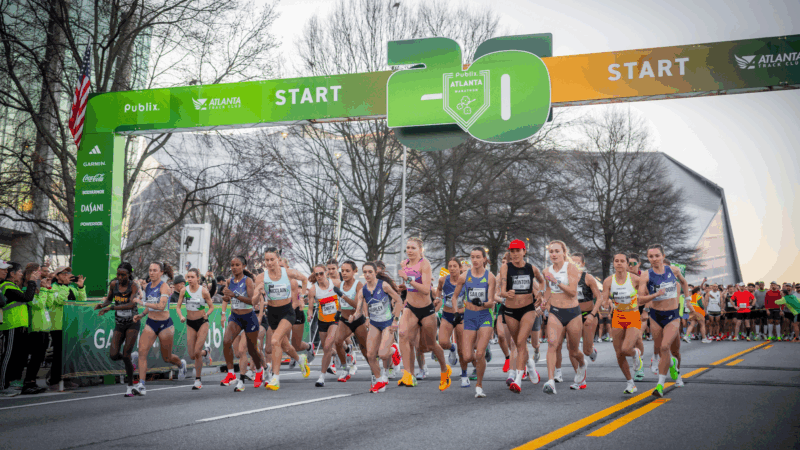
They were led off course in a big race. But a fix is more complicated than prize money
Top finishers in the Atlanta half marathon are calling for U.S. track officials to ensure that Jess McClain and two other athletes aren't excluded from the world championships because of an error.
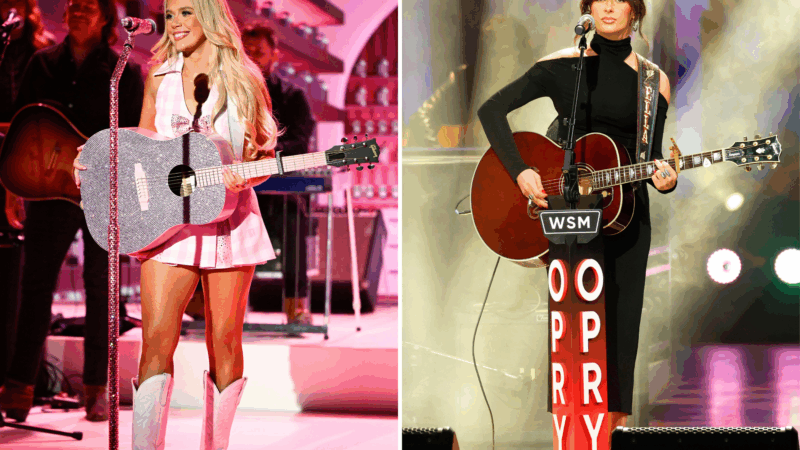
Between Megan Moroney and Ella Langley, country women rule the charts
It's a big week for women in country music — and, it turns out, for women whose songs are favored by women in figure skating.
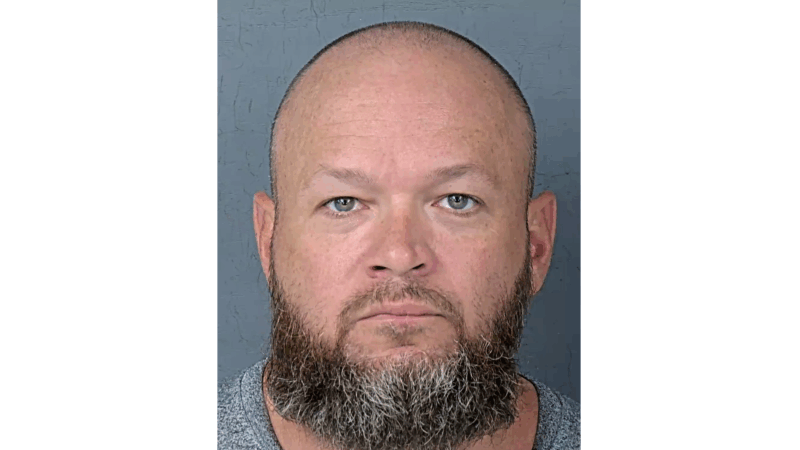
A Jan. 6 rioter pardoned by Trump was sentenced to life in prison for child sex abuse
Since receiving presidential pardons, dozens of former Capitol rioters have gotten into more legal trouble. In Florida, Andrew Paul Johnson was sentenced to life in prison for child sex abuse.
President Trump, Pam Bondi sued over sale of TikTok assets
The case, filed in a federal court in Washington, D.C., accuses the Trump administration of ignoring legislation designed to stop the spread of Chinese propaganda — and instead helping to broker a partial sale to businessmen close to Trump.
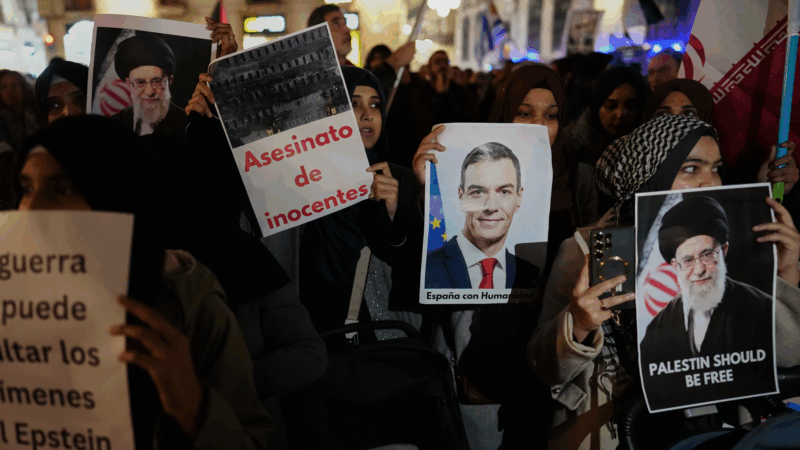
A rift between Spain and Trump widens over Spanish opposition to the Iran war
The Spanish government reiterated it would not let U.S. forces use two joint military bases in Spain as the U.S.-Israeli war in Iran escalates, widening a rift with the Trump administration.
