
On the brink of death, a woman is saved by a stranger and his family
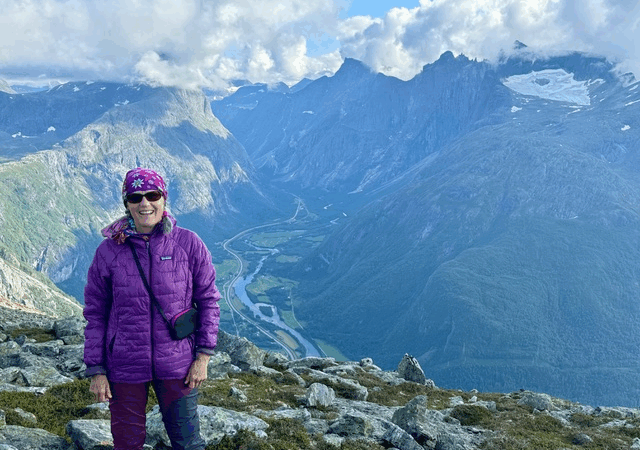
In early May 1982, Jean Muenchrath and her boyfriend set out on a mountaineering trip in the Sierra Nevada, a mountain range in California. They had done many backcountry trips in the area before, so the terrain was somewhat familiar to both of them. But after they reached one of the summits, a violent storm swept in. It began to snow heavily, and soon the pair was engulfed in a blizzard, with thunder and lightning reverberating around them.
“Getting struck and killed by lightning was a real possibility since we were the highest thing around for miles and lightning was striking all around us,” Muenchrath said.
To reach safer ground, they decided to abandon their plan of taking a trail back. Instead, using their ice axes, they climbed down the face of the mountain through steep and icy snow chutes.
They were both skilled at this type of descent, but at one particularly difficult part of the route, Muenchrath slipped and tumbled over 100 feet down the rocky mountain face. She barely survived the fall and suffered life-threatening injuries.
This was before cellular or satellite phones, so calling for help wasn’t an option. The couple was forced to hike through deep snow back to the trailhead. Once they arrived, Muenchrath collapsed in the parking lot. It had been five days since she’d fallen.
”My clothes were bloody. I had multiple fractures in my spine and pelvis, a head injury and gangrene from a deep wound,” Muenchrath said.
Not long after they reached the trailhead parking lot, a car pulled in. A man was driving, with his wife in the passenger seat and their baby in the back. As soon as the man saw Muenchrath’s condition, he ran over to help.
”He gently stroked my head, and he held my face [and] reassured me by saying something like, ‘You’re going to be OK now. I’ll be right back to get you,'” Muenchrath remembered.
For the first time in days, her panic began to lift.
“My unsung hero gave me hope that I’d reach a hospital and I’d survive. He took away my fears.”
Within a few minutes, the man had unpacked his car. His wife agreed to stay back in the parking lot with their baby in order to make room for Muenchrath, her boyfriend and their backpacks.
The man drove them to a nearby town so that the couple could get medical treatment.
“I remember looking into the eyes of my unsung hero as he carried me into the emergency room in Lone Pine, California. I was so weak, I couldn’t find the words to express the gratitude I felt in my heart.”
The gratitude she felt that day only grew. Now, nearly 45 years later, she still thinks about the man and his family.
”He gave me the gift of allowing me to live my life and my dreams,” Muenchrath said.
At some point along the way, the man gave Muenchrath his contact information. But in the chaos of the day, she lost it and has never been able to find him.
”If I knew where my unsung hero was today, I would fly across the country to meet him again. I’d hug him, buy him a meal and tell him how much he continues to mean to me by saving my life. Wherever you are, I say thank you from the depths of my being.”
My Unsung Hero is also a podcast — new episodes are released every Tuesday. To share the story of your unsung hero with the Hidden Brain team, record a voice memo on your phone and send it to [email protected].
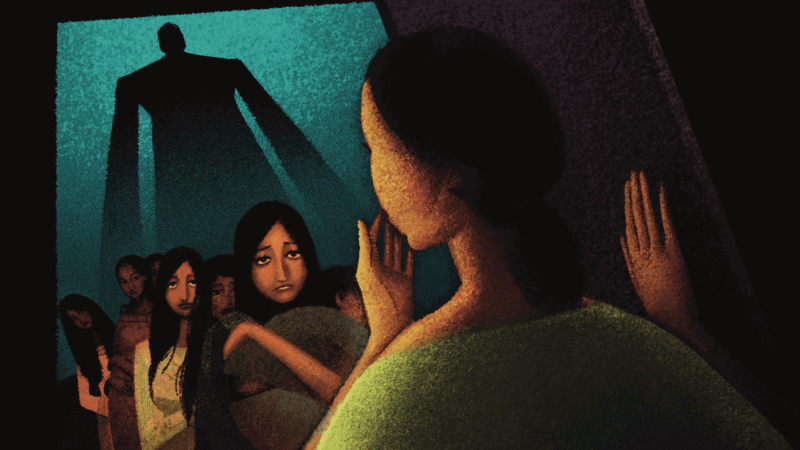
Why supporting a shelter for women is now ‘kind of radioactive’
That's how researcher Beatriz Garcia Nice describes the new U.S. stance under the Trump administration to programs addressing gender-based violence.

Telehealth abortion is in the courts. Share your experience.
Mifepristone is facing another major legal challenge.

Israel launches new strikes in Tehran as public farewell for Khamenei begins
Israel's military said it had begun a "broad wave of strikes" in Tehran Wednesday morning. U.S. officials touted early gains, while Democrats warned the war could widen.
America has a housing affordability crisis. Building houses for rent can help
Developers are building more single-family houses for renting. That can lower prices for both renters and buyers.
ICE has spun a massive surveillance web. We talked to people caught in it
The Department of Homeland Security, which oversees ICE and Border Patrol, is using a broad web of surveillance tools — purchased as its budget has ballooned under this administration — to monitor, apprehend and intimidate the people it seeks to deport and the U.S. citizens critical of its policies.
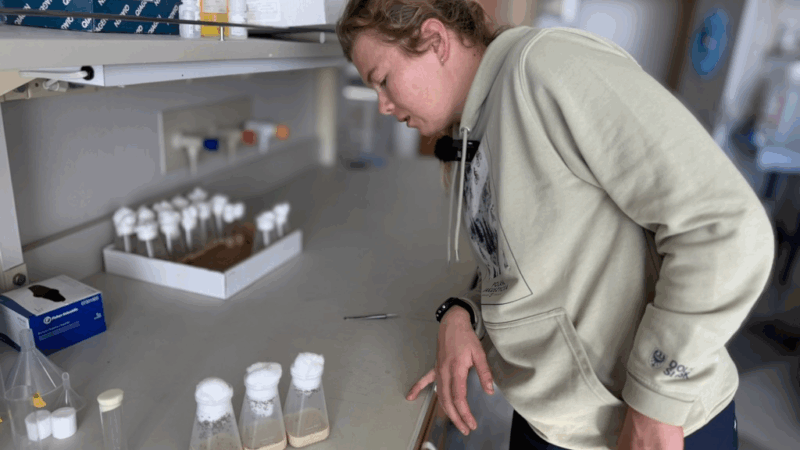
As Paralympics approach, U.S. skier Sydney Peterson balances training and research
Sydney Peterson is among the U.S. athletes heading to the 2026 Winter Paralympics. A neuroscientist in training, Peterson is studying movement disorders, similar to her own condition.
