
Olympic COVID restrictions are gone, but some athletes are still self-quarantining

For most people, if not everyone, the pandemic days of masking are behind us.
In certain corners of the Winter Olympics in Italy, though, things still look a lot like they did in COVID times.
Some athletes are taking extreme measures to stay healthy.
When members of the U.S. women’s cross-country ski team walked into a news conference in a packed room at the start of the Olympics, each of them wore a mask. Jessie Diggins, the team’s top athlete, said the same rules apply if she’s inside with her husband, who’s staying not with Diggins at the Olympics, but with family.
“He wants to protect my health, too. And he knows how important this is,” America’s most decorated cross-country skier said. “And it’s like, we’ve been waiting 10 years to have the rest of our lives together all the time, and not worrying about sickness. We can wait two more weeks. It’s OK.”
Locked down, but that’s OK
At the last Olympic Games, in China, a positive coronavirus test could put athletes in an isolation hotel.
Things aren’t that serious this time around. But athletes in cross-country skiing are among the most susceptible to respiratory viruses, and many are being extra cautious to stay healthy during the most important competitions of their lives.
Not only are many skiers and coaches wearing masks indoors, but America’s cross-country team, and some from Scandinavia, have dispensed with the Olympic Village altogether and are renting out their own hotels, where they can avoid busy cafeterias and control who comes in and out.
“We’re pretty locked down trying not to get sick and trying not to waste energy,” said Ben Ogden, another star on the U.S. team.
“But that’s OK, because, like, we have six, seven of our best friends, like, that are inside the bubble.”
Not every team, though, can afford a setup like the Americans. Cross-country skiers from nations with smaller budgets are still staying inside an Olympic Village in the mountains near their competition venue.
And teams competing in other sports in the Olympic hub city of Milan are taking drastically different approaches altogether.

Ain’t nothin’ but a heartache
Members of the Finnish women’s hockey team, for instance, were belting out Backstreet Boys together at a karaoke party at a restaurant in Milan, just before the Olympics started.
A few days later, the International Olympic Committee announced their game against Canada had to be postponed due to several cases of norovirus on Team Finland’s women’s hockey squad.
“It probably was a nice moment, just between teammates,” said Anni Arko, a sports reporter for the Finnish newspaper Iltalehti. “But it was such a big risk. Like, I just couldn’t believe my eyes that they actually did that.”
Iltalehti wrote a scathing column about the norovirus outbreak, contrasting it with the extreme measures taken by Finland’s cross-country skiers.
At the last Olympics, Arko says, the team’s star, Iivo Niskanen, “was thanking his wife a lot, because he was not seeing his friends and family. But also his wife was not seeing basically anybody, so the family wouldn’t get any infections and Iivo would be healthy.”
Niskanen has so far been spared from illness. He was healthy for Sunday’s skiathlon race and placed 17th.
Nancy Guthrie search enters its second week as a purported deadline looms
"This is very valuable to us, and we will pay," Savannah Guthrie said in a new video message, seeking to communicate with people who say they're holding her mother.

Immigration courts fast-track hearings for Somali asylum claims
Their lawyers fear the notices are merely the first step toward the removal without due process of Somali asylum applicants in the country.
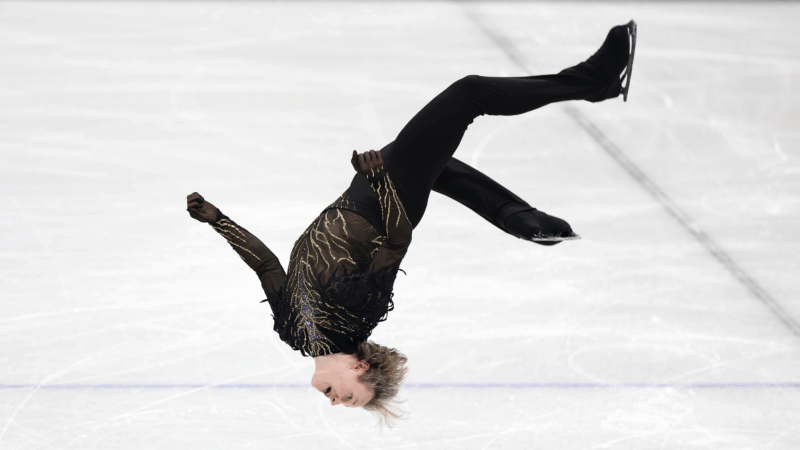
Ilia Malinin’s Olympic backflip made history. But he’s not the first to do it
U.S. figure skating phenom Ilia Malinin did a backflip in his Olympic debut, and another the next day. The controversial move was banned from competition for decades until 2024.

‘Dizzy’ author recounts a decade of being marooned by chronic illness
Rachel Weaver worked for the Forest Service in Alaska where she scaled towering trees to study nature. But in 2006, she woke up and felt like she was being spun in a hurricane. Her memoir is Dizzy.
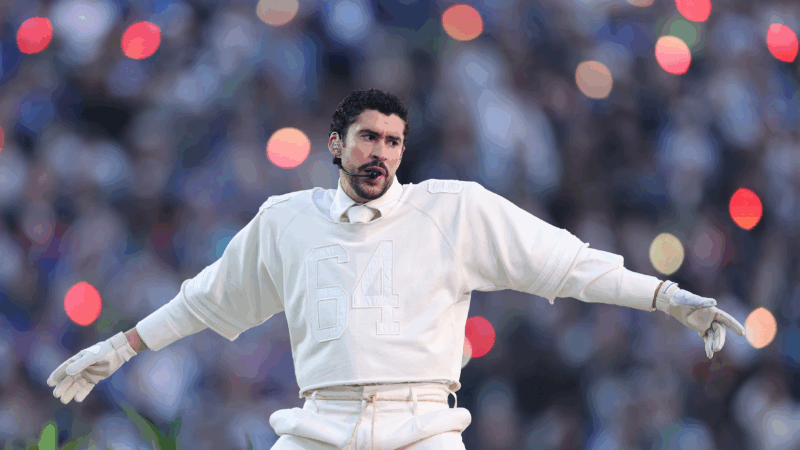
Bad Bunny makes Puerto Rico the home team in a vivid Super Bowl halftime show
The star filled his set with hits and familiar images from home, but also expanded his lens to make an argument about the place of Puerto Rico within a larger American context.
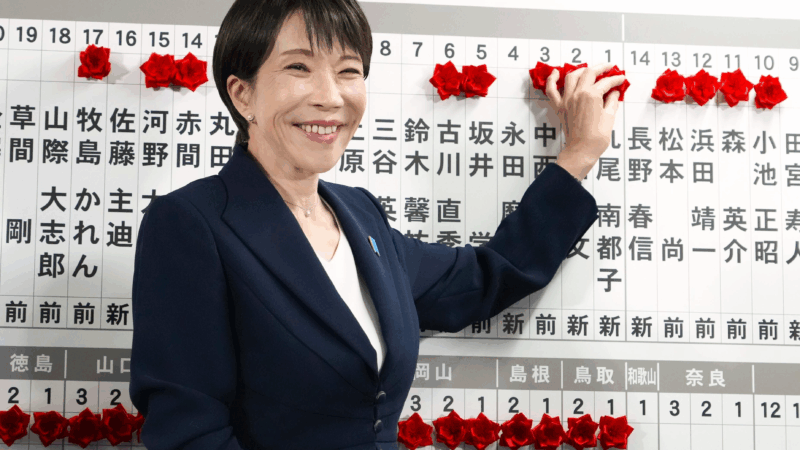
Japan’s Takaichi to pursue conservative agenda after election landslide
Japan's first female Prime Minister, Sanae Takaichi, brought the ruling Liberal Democratic Party its biggest-ever electoral victory, fueling her ambitions to pursue to a political agenda which she says could "split public opinion."
