
No playing Spanish-language music: Many immigrants say they have new rules for driving
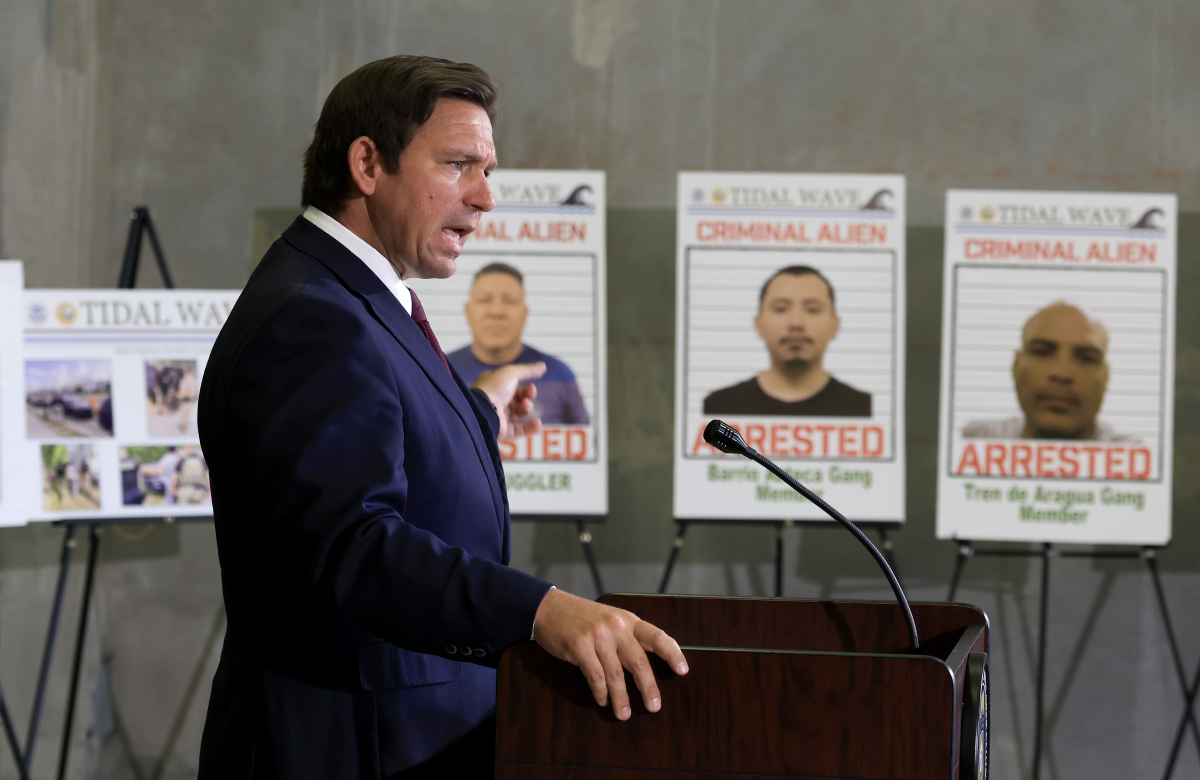
Outside an evangelical church on the outskirts of Tampa, Fla., half a dozen immigrant families wait in the sweltering Sunday heat. The men wear bright, colorful shirts while the women are dressed in traditional Guatemalan embroidered clothing. The service has ended, but no one is rushing to their cars. Instead, they wait for rides home.
The reason is simple: fear. Since Florida granted highway patrol officers the authority to detain drivers based on their immigration status during routine traffic stops, getting behind the wheel has become a calculated risk for many immigrants across the state. Every trip — to work, to church, to the grocery store — now carries the possibility of detention, regardless of legal status.
That has led to new, unwritten rules of the road.
Rule 1: no foreign flags or Spanish-language stickers or advertisements on the car.
“When companies have [ads] in Spanish you know, it’s a big target,” says Ashley Ambrocio, age 19. She’s a U.S. citizen and is driving parishioners today. Rule 2: Try to ride with people you know and trust. They should also be people who are in the country legally.
Ambrocio moves to Rule 3: no Spanish-language music. “If you guys are gonna be driving to work, turn the radio on to English radio,” she advises people. “English music. Some country music, so they can’t tell it’s a Spanish car in there.”
Ambrocio’s father, the pastor at this church, was recently deported to Guatemala, after 30 years living in the U.S. He didn’t have a criminal record.
His daughter says everyone out here, regardless of immigration status, is on edge. Everyone standing outside the church says they know someone who has been stopped recently by Florida Highway Patrol and is now facing deportation.
Fellow church goer Maria, who asked that her last name be withheld because her brother was recently detained and she is afraid of retaliation, chimes in with a couple of other rules. Rule 3, she says: Don’t drive white cargo vans such as the ones typically used by workers because, she says, they’ve been getting stopped a lot.
That gets to the unofficial Rule 4: Don’t wear your work uniform or hat in your car. Don’t telegraph that you are on your way to your cleaning, landscaping or construction job.
But, she adds, those precautions aren’t enough to get people to work. Maria owns a construction company and says many immigrants are simply too scared to drive anymore. Just this morning she got a call: One of the job sites where her company is operating has come to a complete standstill. “Over 30 people didn’t show up,” she says. “You tell me.”
A lawsuit filed in connection with recent ICE raids in Los Angeles is challenging what human rights lawyers allege are racially motivated arrests and detentions by federal agents
at workplaces and during traffic stops. The plaintiffs include day laborers and others who were picked up at bus stops while they were traveling to or from their jobs.
Adam Isaacson, with the nonprofit human rights group Washington Office on Latin America, believes the Trump administration is trying to normalize the kind of enforcement long seen in border communities. “It’s something that is clearly a goal of this administration, to bring that border vigilance of undocumented immigration to the whole country.”
Isaacson points to the sheer manpower now dedicated to immigration enforcement as proof. “If you add up all of the jurisdictions that deputize local law enforcement, places where National Guard and military now play a supporting role, and all of the regular law enforcement agencies, from DEA to IRS being deputized for this, you’re getting close to 100 thousand people that they can deploy around the country,” he estimates.
NPR reached out to Immigration and Customs Enforcement and to the Florida Highway Patrol multiple times for comment on their criteria for traffic stops, and received no response.
Isaacson says the limitations on mobility in immigrant communities will have ripple effects across the nation’s economy. “The upshot is, if people are not able to shop, if people are not able to work… that all drains money out of the economy.”
If traveling locally is becoming complicated for immigrants, interstate travel has gotten even more complicated.
On an Amtrak train from New York City to Southern Florida, an immigrant from Colombia tells me that he was paroled into the U.S. two years ago. In other words, he was granted temporary admission, pending a court hearing. When he first arrived, he lived in a migrant shelter in New York City. Then, he got a work permit and was able to find a job at a farm outside Orlando. His immigration court appointments are in Manhattan, since that was his first place of residency in the U.S.
He asked that we use his first initial only, S, because he’s afraid of being harassed even though he has legal status in the U.S. That’s why he’s doing a 22-hour train ride instead of a three hour flight: He’s concerned he might still be detained by immigration officials.
“I feel more comfortable on the train, no one bothers you here,” he says. This isn’t his first time doing long train travel. “I came to the U.S. riding on top of a freight train,” he says. “All the way up Mexico. On Amtrak, he jokes, it’s different: You get a seat, and you don’t have to cling to the top of a freight car.
If you have immigration tips, you can contact our tip line on WhatsApp and Signal: 202-713-6697 or reporter Jasmine Garsd: [email protected]
Iran’s president defies U.S. demands while apologizing for strikes on neighbors
President Masoud Pezeshkian said Saturday that a demand by the U.S. for an unconditional surrender is a "dream that they should take to their grave." He also apologized for Iran's attacks on regional countries.
What the Trump administration says about why it went to war with Iran
The Trump administration says it is "laser focused" and mission driven, but the messaging has been varied. The range of cited motivations for striking Iran now are sometimes at odds with each other.
Trump looks to turn attention to Western Hemisphere at Americas summit
President Trump is set to gather with Latin American leaders on Saturday at his Miami-area golf club as his administration looks to turn attention to the Western Hemisphere, at least for a moment.
Trump administration’s embattled FDA vaccine chief is leaving for the second time
The FDA's controversial vaccine chief, Dr. Vinay Prasad, is leaving the agency. It's the second time he has abruptly departed following decisions involving the review of vaccinations and specialty drugs.
Family, former presidents and a Hall of Famer give Rev. Jesse Jackson a final sendoff
Several speakers at Jackson's funeral invoked his hallmark catchphrases: "Keep hope alive" and "I am somebody."
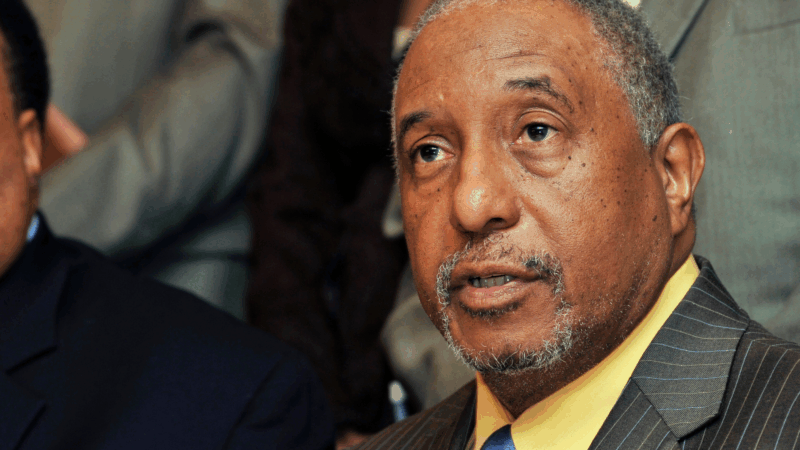
Bernard LaFayette, Selma voting rights organizer, dies at 85
Bernard LaFayette, who died Thursday, laid the foundations of the Selma, Alabama, campaign that culminated in the passage of the Voting Rights Act. He was a Freedom Rider and helped found the Student Nonviolent Coordinating Committee.
