
Nike faces federal probe over allegations of discrimination against white workers
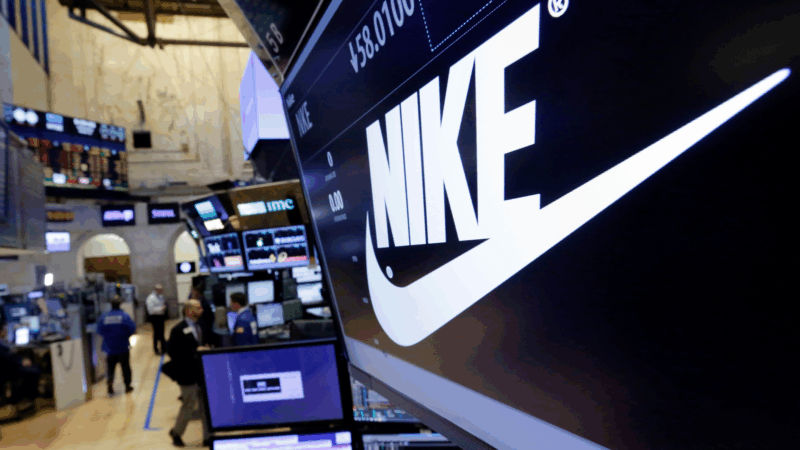
NEW YORK — The federal agency for protecting workers’ civil rights revealed Wednesday that it is investigating sportswear giant Nike for allegedly discriminating against white employees through its diversity policies.
The Equal Employment Opportunity Commission disclosed the investigation in a motion filed in Missouri federal court demanding that Nike fully comply with a subpoena for information.
The EEOC sought the company’s criteria for selecting employees for layoffs, how it tracks and uses worker race and ethnicity data, and information about programs which allegedly provided race-restricted mentoring, leadership, or career development opportunities, according to court documents.
In a statement, Nike said the company has worked to cooperate with the EEOC and the subpoena “feels like a surprising and unusual escalation.”
“We have shared thousands of pages of information and detailed written responses to the EEOC’s inquiry and are in the process of providing additional information,” Nike said in a statement sent to The Associated Press.”
EEOC Chair Andrea Lucas has moved swiftly to target diversity and inclusion policies that she has long criticized as potentially discriminatory, tightly aligning the agency with one of President Donald Trump’s top priorities.
Nike appears to be the highest profile company the EEOC has targeted with a publicly confirmed, formal anti-DEI investigation. In November, the EEOC issued a similar subpoena against financial services provider Northwestern Mutual.
“When there are compelling indications, including corporate admissions in extensive public materials, that an employer’s Diversity, Equity and Inclusion-related programs may violate federal prohibitions against race discrimination or other forms of unlawful discrimination, the EEOC will take all necessary steps — including subpoena actions — to ensure the opportunity to fully and comprehensively investigate,” Lucas said in a statement.
The disclosure comes two months after Lucas posted a social media call-out urging white men to come forward if they have experienced race or sex discrimination at work. The post urged eligible workers to reach out to the agency “as soon as possible” and referred users to the agency’s fact sheet on DEI-related discrimination.
The investigation against Nike, however, does not stem from any worker complaint against the company. Rather, Lucas filed her own complaint in May 2024 through a more rarely used tool known as a commissioner’s charge, according to the court documents. Her charge came just months after America First Legal, a conservative legal group founded by top Trump adviser Stephen Miller, sent the EEOC a letter outlining complaints against Nike and urging the agency to file a commissioner’s charge.
America First Legal has flooded the EEOC with similar letters in recent years urging investigations into the DEI practices of major U.S. companies. It is unclear how many other companies the EEOC may be targeting through such commissioner’s charges. The EEOC is prohibited from revealing any charge — by workers or commissioners — unless it results in fines, settlements, legal action or other such public actions.
Lucas’ charge, according to court filings, was based on Nike’s publicly shared information about its commitment to diversity, including statements from executives and proxy statements. The charge, for example, cited Nike’s publicly stated goal in 2021 of achieving 35% representation of racial and ethnic minorities in its corporate workforce by 2025.
Many U.S. companies made similar commitments in the wake of the widespread 2020 racial justice protests that followed the police killing of George Floyd, an unarmed Black man. Companies have said such commitments are not quotas but rather goals they hoped to achieve through methods such as widening recruitment efforts and rooting out any bias during hiring process.
Under Title VII of the Civil Rights Act, employers are prohibited from using race as a criteria for hiring or other employment decisions. Lucas has long warned that many companies risk crossing that line through DEI efforts that would pressure managers to make race-based decisions.
In its statement, Nike said it follows “all applicable laws, including those that prohibit discrimination. We believe our programs and practices are consistent with those obligations and take these matters seriously.”
Feds announce $4.1 billion loan for electric power expansion in Alabama
Federal energy officials said the loan will save customers money as the companies undertake a huge expansion driven by demand from computer data centers.
Mortgage rates fall below 6% for the first time in years
The average home loan rate has dropped below 6% for the first time since 2022. Will that help thaw the frozen housing market?
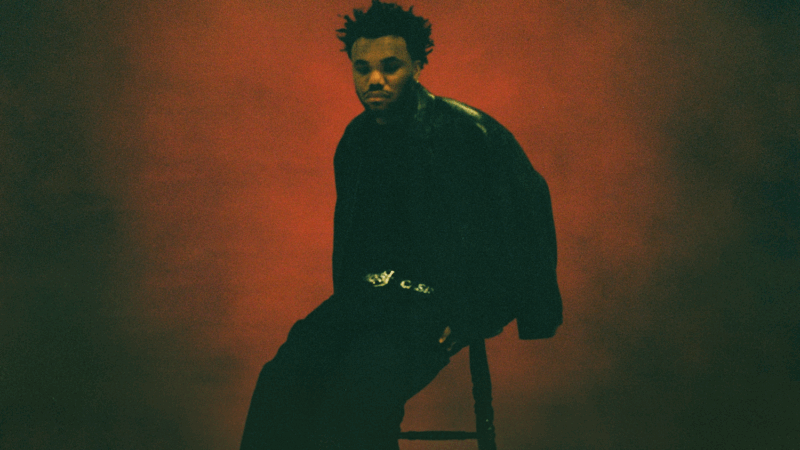
Baby Keem’s boulevard of broken dreams
Ca$ino, the rapper's second album for his cousin Kendrick Lamar's label, is whiplash embodied, a mirror for the extreme highs and lows of his Sin City hometown.

Pentagon shifts toward maintaining ties to Scouting
Months after NPR reported on the Pentagon's efforts to sever ties with Scouting America, efforts to maintain the partnership have new momentum

Why farmers in California are backing a giant solar farm
Many farmers have had to fallow land as a state law comes into effect limiting their access to water. There's now a push to develop some of that land… into solar farms.
Civil rights leaders say the racial progress Jesse Jackson fought for is under threat
Activists say racial progress won by the Rev. Jesse Jackson is under threat, as a new generation of leaders works to preserve hard-fought civil rights gains.
