
‘Nihilism’ is in the news. What’s behind this ‘nothing’ philosophy?
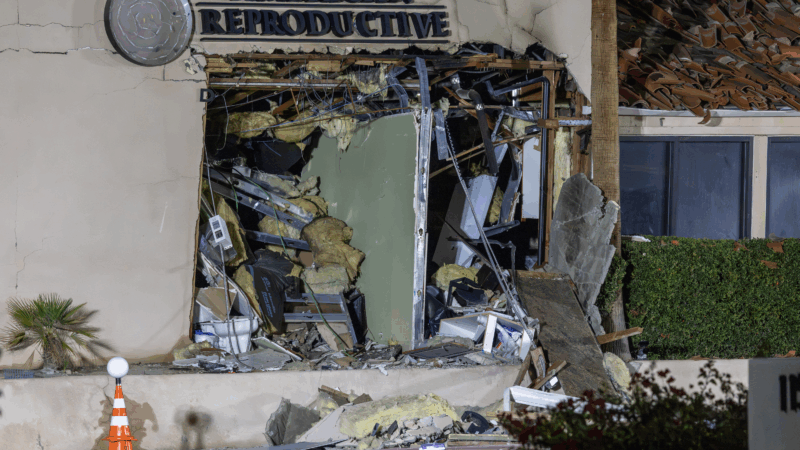
The weekend bombing of a Palm Springs, Calif., fertility clinic has cast a fresh spotlight on a 19th century philosophy linked to Russian revolutionaries.
The explosion at the American Reproductive Centers fertility clinic on May 17 killed Guy Edward Bartkus, the prime suspect in the bombing, and injured four other people. Investigators on Sunday said Bartkus had “nihilistic ideations.”
It’s still unclear exactly what drove Bartkus so early after the bombing, and many more labels have arisen to describe his beliefs – terms like “anti-natalist,” “misandrist” and “promortalist.” Still, “nihilist” has captured the public’s imagination.
So, NPR dug into the origin story of nihilism, a frequently misunderstood belief system that posits that everything lacks meaning.
Where did the word come from?
The word “nihilism” comes from nothing. Literally.
It comes from the Latin word “nihil” which means “nothing,” said Jesse Sheidlower, former editor-at-large of the Oxford English Dictionary and an adjunct professor at Columbia University.
It was roughly around the early 19th century that this idea formed as a movement and a real belief system arose, Sheidlower said.
“It has had a variety of senses over the years, but all having to do with some kind of negative aspect,” often a sense of despair or a sense that life is meaningless, Sheidlower said.
It can be a bit confusing to people new to the term. How can one believe in nothing?
“Nihilism has a kind of weird irony built into it, since nothing, ‘nihil,’ isn’t something in which you can believe. So for that reason, the idea of nihilism invites a lot of confusion,” said Jessica Berry, a professor of philosophy at Georgia State University and the executive editor of the Journal of Nietzsche Studies.
But in the early 19th century, it emerged as a social and political movement in Russia, said Berry.
It was popularized by a Russian novel called Fathers and Sons by Ivan Turgenev, which used nihilism to describe the very real disillusionment of the younger generation happening in the country at the time of the book’s publication in 1862. The youth of the time rejected tradition, Czarist rule, questioned morality, religion, and, for some, advocated political anarchy, Berry said.
“In that sense, nihilism was a really broad cultural movement, and even became quite fashionable among some young people” during that time, Berry said.
How has the word been used over time?
Now, the definition and meaning of nihilism is “very open ended,” to a lot of people.
It still has an inherent sense of irony and “a special aptness for comic contexts,” Berry said. It popped up in the movie, The Big Lebowski in which self-described German nihilists were some of the main antagonists, she explained.
Turgenev and The Big Lebowski aside, Friedrich Nietzsche is most often associated with nihilism. The 19th century German philosopher wrote about the subject frequently, believing that the “death of God” (or his view that people’s belief in traditional religious institutions and values was waning) led to a state of nihilism. But he was not a nihilist himself, which is a common misconception, Berry said.

“For Nietzsche, nihilism is…not a set of beliefs or practices,” Berry explained, “He writes about it more as a condition we might find ourselves in than a set of beliefs we might adhere to — a sort of pathological condition of just profound disorientation, where no one thing appears to be more worthwhile than any other thing or pursuit.”
Nietzsche frequently wrote in the 1880s of his deep concern about nihilism as a potential crisis when people find that the world lacks any intrinsic meaning or value. He called for people to overcome nihilism with his Übermensch concept — a state of being where a person creates their own values to believe in.
How is the word used today?
There are now many misconceptions about what nihilism even means – even to those who might identify as a nihilist, Berry said. “Nihilism, like pessimism, is often associated with a psychological attitude of despair and loss of faith,” she said.
It can quickly become an empty term, but there remains a need to dig further into a person’s beliefs and motivations beyond accepting their “nihilist” label, Berry said.
According to LAist, Bartkus, the prime suspect in the Palm Springs bombing, posted writings and an audio recording about the attack online in which he described himself as a “misandrist” and “promortalist,” a reference to the belief that it is ethical to end suffering by ending lives, the website reported. “Basically I’m anti-life,” Bartkus said in the recording.
NPR has not independently verified this audio.
There’s a clear logical contradiction to address when someone says they are a nihilist and commit an act of violence because they believe in, well, nothing. Because they must inherently believe in the idea of nihilism if they point to that as motivation.
“I think it’s very rare that a person really and genuinely doesn’t have any commitments at all,” Berry said.
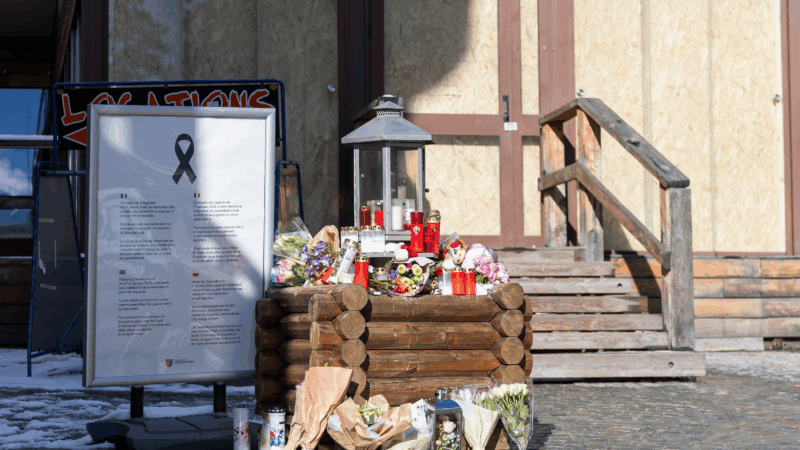
Swiss Alpine bar fire claims 41st victim, an 18-year-old Swiss national
Swiss prosecutors have opened a criminal investigation into the owners of Le Constellation bar in the ski resort of Crans-Montana, where a fire in the early hours of Jan. 1 killed dozens.

Sunday Puzzle: Rhyme Time
NPR's Ayesha Rascoe plays the puzzle with WBUR listener Laurie Rose and Weekend Edition Puzzlemaster Will Shortz.
Alcaraz beats Djokovic to become the youngest man to complete a career Grand Slam
The 22-year-old Spaniard's win against 38-year-old rival Novak Djokovic at Sunday's Australian Open makes him the youngest male player to win all four major tournaments.
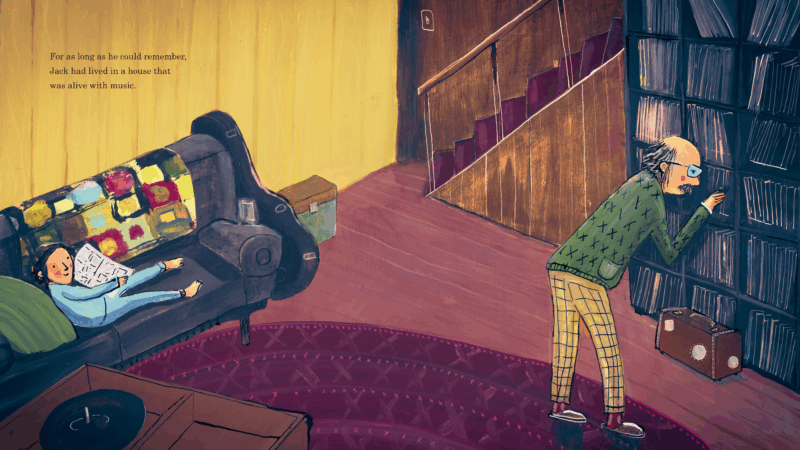
You already know the song — now, ‘The One About the Blackbird’ is also a picture book
In The One About the Blackbird, a young boy learns to play guitar from his grandfather. And there's one song in particular that they love…
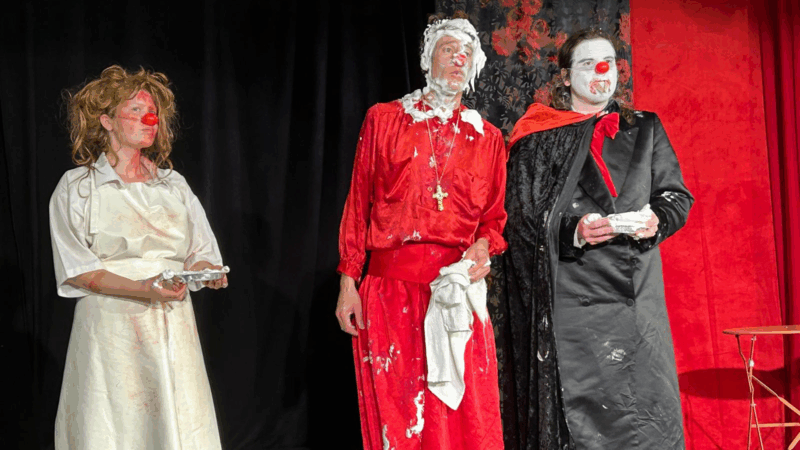
At a clown school near Paris, failure is the lesson
For decades, students at the Ecole Philippe Gaulier have been paying to bomb onstage. The goal isn't laughs — it's learning how to take the humiliation and keep going.

In the world’s driest desert, Chile freezes its future to protect plants
Tucked away in a remote desert town, a hidden vault safeguards Chile's most precious natural treasures. From long-forgotten flowers to endangered crops.
