
Nigeria says it won’t accept U.S. deportees: “We have enough problems of our own”
LAGOS, Nigeria — Nigeria’s government says it will resist pressure from the Trump administration to accept deportees from Venezuela and other third countries.
In an interview with Nigeria’s Channels TV on Friday, Foreign Minister Yusuf Tuggar said the U.S. was pressuring several African nations to accept foreign nationals the U.S. wants to deport.
“We already have over 230 million people,” Tuggar said. “In the words of the famous U.S. rap group Public Enemy — you’ll remember a line from Flava Flav: ‘Flava Flav has problems of his own. I can’t do nothing for you, man.'”
His comments mark one of the most high-profile rejections yet of the Trump administration’s efforts to deport migrants, under threat of tariffs and visa restrictions for countries that refuse. The U.S. government has not officially confirmed it is pressing African nations to accept third-country nationals.
Earlier this month, the U.S. government deported 8 men to South Sudan. The deportees, from various countries — including Myanmar, Laos, Vietnam, Cuba and Mexico – had been transferred from the U.S. to a military base in Djibouti in East Africa in May, and were flown to South Sudan over the weekend after the U.S. Supreme Court cleared the way for their removal.
In May Rwandan’s Foreign Minister Olivier Nduhungirehe told Rwandan state TV that his government was in “early talks” with Washington regarding taking in third-country nationals deported from the U.S. The U.S. has also reportedly approached at least three other African nations — Benin, Eswatini, and Libya— to accept deported migrants – something that Libya’s UN backed government in the west and the military government in that controls the east denied.
This week, the State Department imposed major visa restrictions on citizens from Nigeria, Ethiopia, and Cameroon. Nearly all non-immigrant and non-diplomatic visas issued to citizens of those countries will now be valid for just three months and for a single entry — part of what the U.S. calls a “global reciprocity realignment.”
The move has drawn criticism in Nigeria, where officials deny the restrictions are reciprocal and argue they are instead linked to the country’s refusal to comply with U.S. migration demands.
“It will be difficult for a country like Nigeria to accept Venezuelan prisoners into Nigeria,” said Tuggar. “We have enough problems of our own. We cannot accept Venezuelan deportees to Nigeria, for crying out loud.”
The Nigerian government says it is engaging with U.S. officials to strike new deals involving critical minerals, oil, and gas — but will not negotiate away its sovereignty. “We will continue to stand for our national interest,” said Tuggar.
Nigeria’s stance follows reporting by The Wall Street Journal that the Trump administration urged five African presidents — who met with Trump at the White House earlier this week — to accept deportees whose home countries refuse to take them back.
The summit, officially focused on trade, included the presidents of Liberia, Senegal, Gabon, Guinea-Bissau, and Mauritania. But in his opening remarks, President Trump referenced migration policy: “I hope we can bring down the high rates of people overstaying visas, and also make progress on the safe third-country agreements,” he said.
Trump also sparked backlash at the meeting after praising Liberia’s president Joseph Boakai for speaking “such good English” — despite English being Liberia’s official language. The country was founded by formerly enslaved people from the U.S. in the 19th century.
Pentagon says it’s cutting ties with ‘woke’ Harvard, ending military training
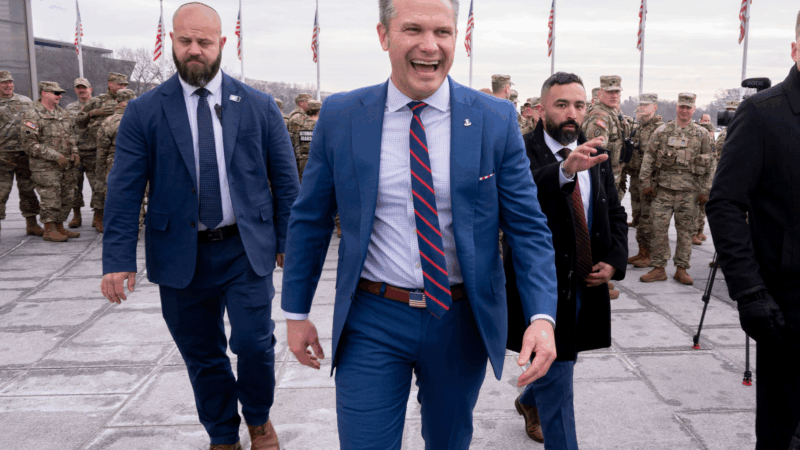
Amid an ongoing standoff between Harvard and the White House, the Defense Department said it plans to cut ties with the Ivy League — ending military training, fellowships and certificate programs.
‘Washington Post’ CEO resigns after going AWOL during massive job cuts
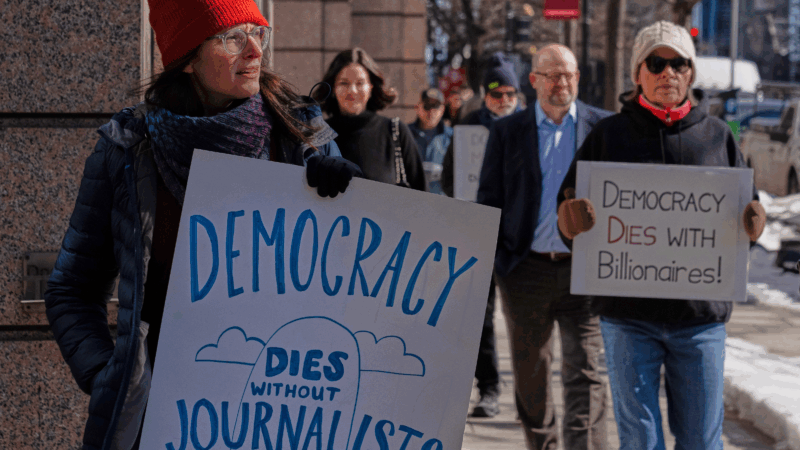
Washington Post chief executive and publisher Will Lewis has resigned just days after the newspaper announced massive layoffs.

In this Icelandic drama, a couple quietly drifts apart
Icelandic director Hlynur Pálmason weaves scenes of quiet domestic life against the backdrop of an arresting landscape in his newest film.

After the Fall: How Olympic figure skaters soar after stumbling on the ice
Olympic figure skating is often seems to take athletes to the very edge of perfection, but even the greatest stumble and fall. How do they pull themselves together again on the biggest world stage? Toughness, poise and practice.
They’re cured of leprosy. Why do they still live in leprosy colonies?
Leprosy is one of the least contagious diseases around — and perhaps one of the most misunderstood. The colonies are relics of a not-too-distant past when those diagnosed with leprosy were exiled.
This season, ‘The Pitt’ is about what doesn’t happen in one day
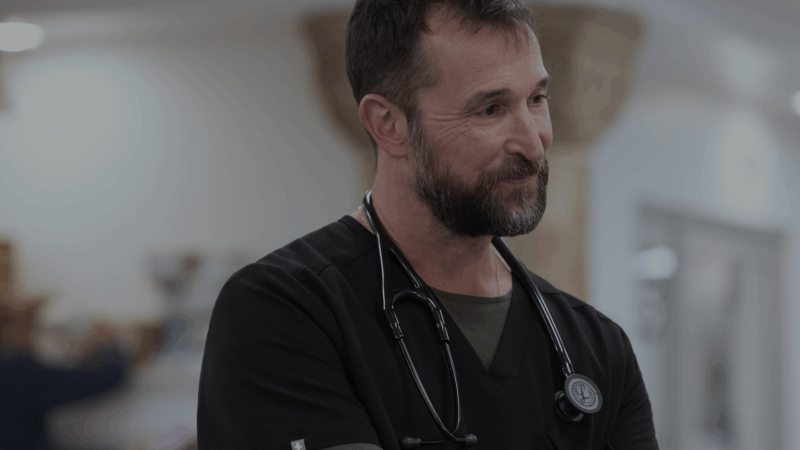
The first season of The Pitt was about acute problems. The second is about chronic ones.
