
New Zealand Parliament suspends 3 lawmakers who performed Māori haka in protest

WELLINGTON, New Zealand — New Zealand legislators voted Thursday to enact record suspensions from Parliament for three lawmakers who performed a Māori haka to protest a proposed law.
Hana-Rāwhiti Maipi-Clarke received a seven-day ban and the leaders of her political party, Debbie Ngarewa-Packer and Rawiri Waititi, were barred for 21 days. Three days had been the longest ban for a lawmaker from New Zealand’s Parliament before.
The lawmakers from Te Pāti Māori, the Māori Party, performed the haka, a chanting dance of challenge, last November to oppose a widely unpopular bill, now defeated, that they said would reverse Indigenous rights.
But the protest drew global headlines and provoked months of fraught debate among lawmakers about what the consequences for the lawmakers’ actions should be and whether New Zealand’s Parliament welcomed or valued Māori culture — or felt threatened by it.
A committee of the lawmakers’ peers in April recommended the lengthy punishments in a report that said the lawmakers were not being punished for the haka itself, but for striding across the floor of the debating chamber towards their opponents while they did it. Maipi-Clarke Thursday rejected that, citing other instances where legislators have left their seats and approached their opponents without sanction.
It was expected that the suspensions would be approved, because government parties have more seats in Parliament than the opposition and had the necessary votes to affirm them. But the punishment was so severe that Parliament Speaker Gerry Brownlee in April ordered a free-ranging debate among lawmakers and urged them to attempt to reach a consensus on what repercussions were appropriate.
No such accord was reached Thursday. During hours of at times emotional speeches, government lawmakers rejected opposition proposals for lighter sanctions.
There were suggestions that opposition lawmakers might extend the debate for days or even longer through filibuster-style speeches, but with the outcome already certain and no one’s mind changed, all lawmakers agreed that the debate should end.
Trump to raise global tariffs. And, most say the state of the union is weak, poll says
President Trump says he is raising global tariffs to 15%. And ahead of the president's address tomorrow, most Americans say the state of the union is not strong, according to an NPR poll.
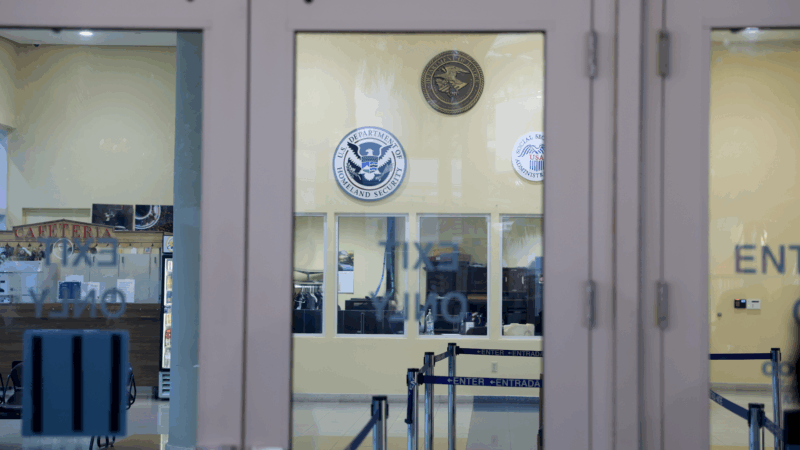
U.S. has a quarter fewer immigration judges than it did a year ago. Here’s why
The continued drain of personnel from the already strained immigration court system has contributed to depleted staff morale, mounting case backlogs — and floundering due process.
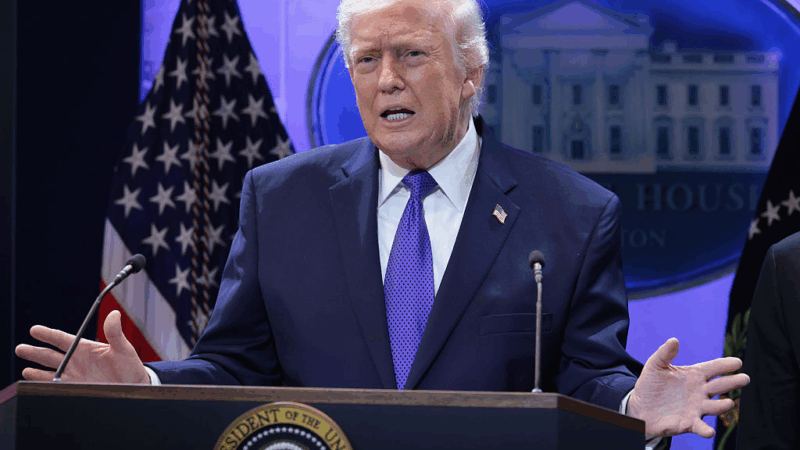
Poll: Most say the state of the union is not strong and the U.S. is worse off
Ahead of the State of the Union address on Tuesday, evidence continues to mount that President Trump is facing political headwinds.

Influencers are promoting peptides for better health. What’s the science say?
The latest wellness craze involves injecting these molecules for athletic performance, longevity and more. Scientists say the research isn't keeping pace with the health claims.
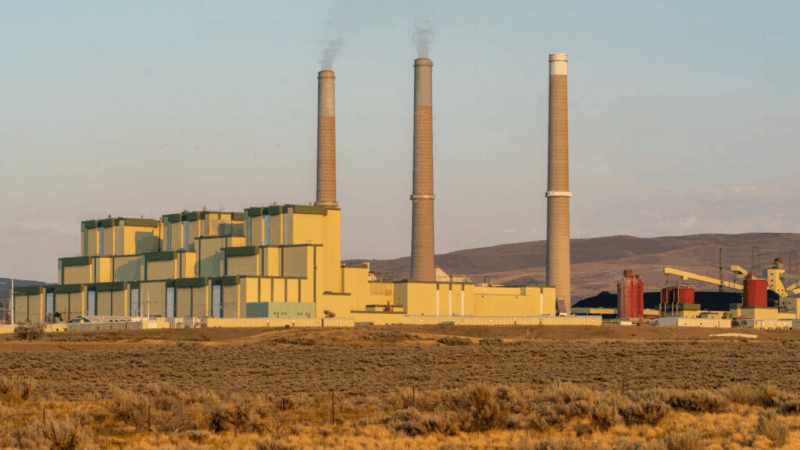
The owners want to close this Colorado coal plant. The Trump administration says no
The Trump administration has ordered several coal plants to keep operating past their planned retirement, part of a larger effort to boost the coal industry. Two Colorado utilities are pushing back.
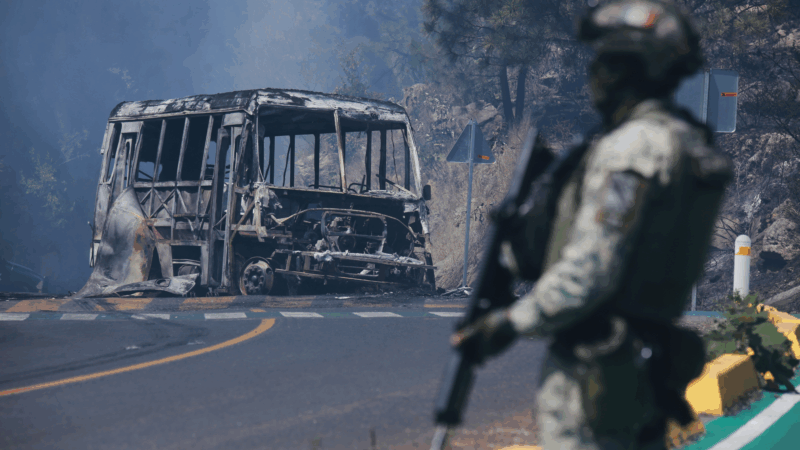
Mexico fears more violence after army kills leader of powerful Jalisco cartel
School was canceled in several Mexican states and local and foreign governments alike warned their citizens to stay inside following the army's killing of the leader of the Jalisco New Generation Cartel, Nemesio Rubén Oseguera Cervantes, "El Mencho," and the violence it spurred
