
New books this week: Tales from Ian McEwan and Patricia Lockwood, and new translations
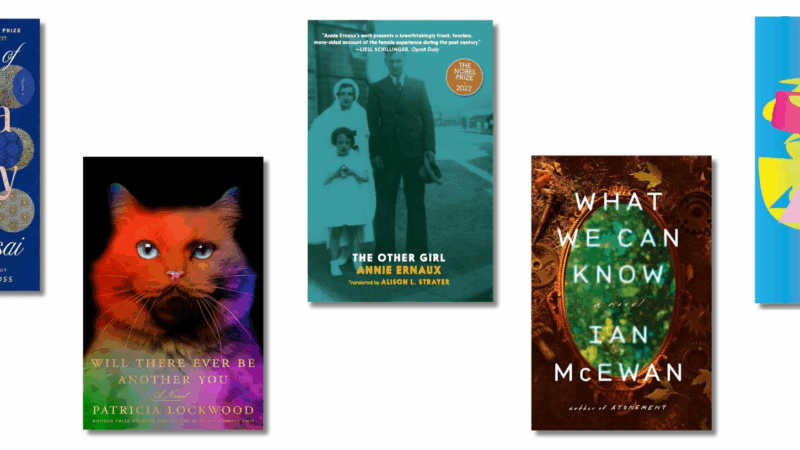
This week’s lineup of new books boasts a couple of headliners in Ian McEwan and Patricia Lockwood. Whatever their differences as writers — and there certainly are a few — both are recognizable by their unrepentant glee in keeping readers off balance. The truth will not come easy in their latest efforts either.
For those of a more cosmopolitan bent, the calendar offers a detour from the American perspective with two works in translation: one by French Nobel laureate Annie Ernaux, the other by Yoko Tawada, a Japanese expat living in Germany.
Then there’s the novel whose biggest twist is that it finally exists at all, after Kiran Desai devoted 20 years to writing it. Alarming as that may sound, it’s clear that all that time spent on The Loneliness of Sonia and Sunny was not spent in vain.

The Loneliness of Sonia and Sunny, by Kiran Desai
About two decades separate us from the publication of Desai’s last book, The Inheritance of Loss. That novel, a multigenerational saga set on two continents, swept the Booker Prize and the National Book Critics Circle Award and heralded Desai as a bold young literary voice. Now, on the release of Desai’s long-awaited follow-up, it’s worth pausing a moment to marvel at the intestinal fortitude it must take to spend more than a third of your time on Earth so far wrestling with the same manuscript. The fruit of that long staredown at least represents a healthy windfall for readers, who can expect a richly rendered love story, with the ambition and sensitivity to match its worthy predecessor.

Will There Ever Be Another You, by Patricia Lockwood
Speaking with NPR’s All Things Considered in 2021 about her debut novel, Lockwood said she wanted the book to evoke that abrupt, uncomfortable feeling when “you come up against something that is irrefutable, that can’t be denied.” As unpleasant as this collision may feel, perhaps there’s something to be said for at least getting that kind of certainty, that quickly. The star of Lockwood’s second novel has no such luck. Suffering the effects of a little-understood illness that recalls long COVID, the woman descends into debility and psychosis — with the reader thrust into the maelstrom of her unraveling life, struggling for ballast just the same as her.

The Other Girl, by Annie Ernaux and translated by Alison L. Strayer
Ernaux won the 2022 Nobel Prize in literature for a body of work so resistant to labels, it fell to the French writer to coin one herself: “autosociobiography,” a hybrid genre woven from memoir, fiction, history and criticism. It’s an ironically long, unwieldy name for books that have been noted for their deft grace and, frankly, their tendency to be quite short. Coincidentally, both qualities are on display in The Other Girl, which clocks in at fewer than 100 pages — and which weaves its story through a letter addressed to an older sister who died before Ernaux was born. First published in French in 2011, the book comes to anglophone readers courtesy of Strayer, whose translation of Ernaux’s The Years earned a nod from the 2019 Booker International Prize.

What We Can Know, by Ian McEwan
Nearly a century into the future, in a world half-drowned and halved in population from war and ecological disaster, scholar Tom Metcalfe’s quest is comparatively unassuming: He wants to recover a famous lost poem, written during a heady twilight era — specifically, 2014 — that, from Metcalfe’s angle, appears incomprehensibly rich in ease and self-deception on the cusp of disaster. “This is science fiction without the science,” the venerable British author told NPR’s Weekend Edition about his new novel. “I’m sort of more interested to know, what is the future of history? What is the future of universities? What is the future of thinking and loving and daily life?”

Archipelago of the Sun, by Yoko Tawada and translated by Margaret Mitsutani
Born and raised in Japan, now based in Berlin, Tawada reaches readers in English only via translation. Still, there’s no mistaking the shimmering strangeness of her voice — like a wind chime built of found objects. That’s partly a testament to translator Mitsutani, whose previous work with Tawada has earned one National Book Award and a spot on the shortlist for Scattered All Over the Earth. The latter book opened a trilogy that concludes Tuesday with Archipelago. Consider this a recommendation for the whole series, frankly. Its three slim books craft a winningly genial kind of dystopia, bleak and earnest in equal measure, in which our intrepid band of misfits carry out their grail quest with all the logic of Calvinball, in which the only rule that really matters is the one you’re about to make up next.

Why the Chicago Bears could be moving to Indiana
While Illinois is trying to keep the team in Chicago's suburbs, Indiana lawmakers are offering a plan to finance a new stadium
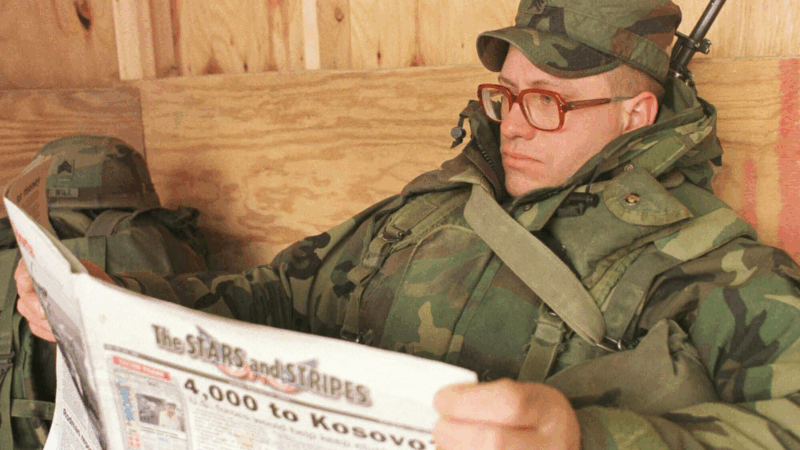
Pentagon tightens controls over Stars and Stripes after calling it “woke”
The new rules for the independent military newspaper are the Defense Department's latest effort to put extraordinary restrictions on journalists covering the agency.
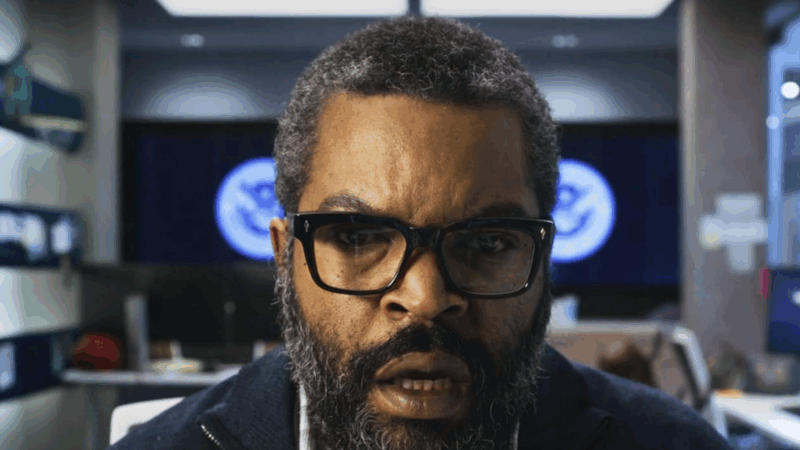
‘War of the Worlds’ remake sinks to the bottom at this year’s Razzie Awards
The surveillance industry version of HG Wells' 1898 classic sci-fi novel stars Ice Cube, and won accolades for worst picture, actor, director and more.

Russian strike on Kyiv region kills 4 and wounds 15, with peace talks stalled
The strikes comes after the United States paused ceasefire talks between Russia and Ukraine due to the war with Iran.
As the risk of measles grows, why are parents so divided on vaccines?
In South Carolina, some parents embrace vaccines, others opt out. Why do people make such different choices? A mix of politics, distrust and misinformation is pushing neighbors apart.
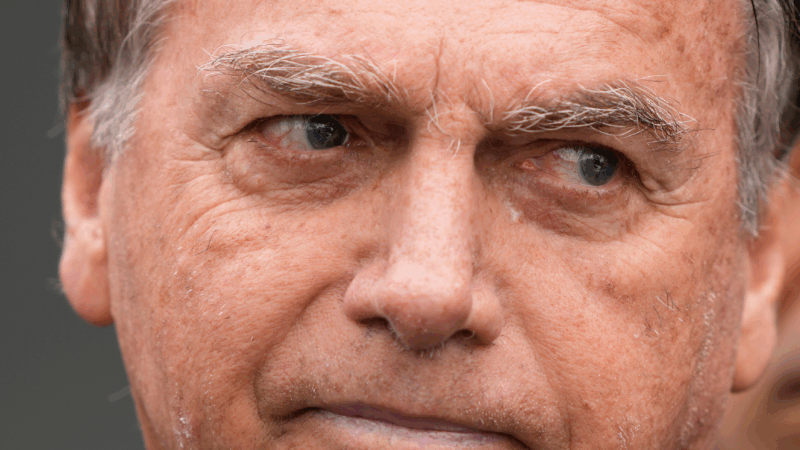
Brazil’s ex-President Bolsonaro is in intensive care with pneumonia, hospital says
One of Bolsonaro's doctor's described the former Brazilian president's medical condition as "serious."
