
National Guard says members patrolling D.C. ‘may be armed’
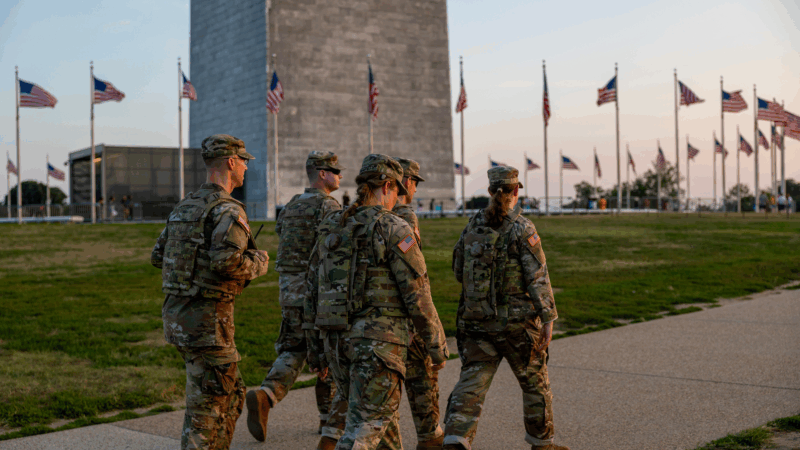
D.C. National Guard members patrolling Washington as part of the Trump administration’s plan to ramp up policing may soon be carrying weapons, a Guard spokesperson said Sunday.
The Army had said last week that Guard members would not be carrying weapons and would not be making arrests.
But on Sunday, Army Senior Master Sgt. Craig Clapper told NPR in a statement that “Guard members may be armed consistent with their mission and training.”
“Their presence is focused on supporting civil authorities and ensuring the safety of the community they serve,” Clapper added. “The DC National Guard remains committed to assisting the District of Columbia and serving its residents and visitors whenever called upon.”
Earlier this month, President Trump announced that the federal government was assuming control of the Metropolitan Police Department and would deploy hundreds of federal law enforcement officers and National Guard members to the nation’s capital.
The Army said on Thursday that Guard members’ weapons would remain in the armory to use if needed. Guard members stationed in public areas would not conduct arrests, but serve as a “visible crime deterrent,” the statement said, and be equipped with personal protective equipment such as body armor.
The Posse Comitatus Act prevents federal armed forces from taking part in civilian law enforcement operations, unless they are “expressly authorized by the Constitution or Act of Congress.” But National Guard members deployed to U.S. cities do sometimes carry weapons, such as those who have recently helped patrol the New York City transit system.
Trump expanded the law enforcement presence in D.C. because he said it had been “overtaken by violent gangs and bloodthirsty criminals, roving mobs of wild youth, drugged out maniacs and homeless people.”
In fact, crime data shows that violent crime in the city has dropped 26% compared to last year.

The move sparked outcry from public officials and residents who said Trump’s plan was an overreach by the federal government.
Washington, D.C. Mayor Muriel Bowser said Friday that the city’s “limited self-government has never faced the type of test we are facing right now.” Hundreds of demonstrators protested against the police surge in the city on Saturday.
On Sunday at the Asbury United Methodist Church, one of D.C.’s predominantly Black congregations, the Rev. Ronald Bell Jr. made Trump’s crackdown and the presence of National Guard members on the streets a focus of his sermon.
Bell, who was a pastor in Minnesota when unrest erupted following the murder of George Floyd in Minneapolis in 2020, said he hoped Black leaders would help the community avoid confrontations with troops and federal agents. “I think we have learned lessons from the past,” he said. “I think we are well equipped to handle this moment.”
Rosa Brooks, a former Metropolitan Police Department reserve officer who now teaches at Georgetown Law School, voiced alarm at the presence of National Guard troops who are not trained in day-to-day law enforcement on the streets of the capital.
“I think what we’re seeing is the effort to habituate people to the idea that you’re going to have armed federal personnel in your business, asking questions, stopping you, and that’s just truly scary,” Brooks said.
But the law enforcement buildup in the District also has its supporters. The Republican governors of three states — West Virginia, South Carolina and Ohio — said Saturday that they would send National Guard members to Washington to assist the federal forces already in the capital.
Authorities have made 308 arrests in Washington since Aug. 7, including 135 immigrants in the U.S. illegally, according to a White House official not authorized to share specific data publicly. Some 53 firearms were seized, they added.
“President Trump’s bold leadership is quickly making our nation’s capital safer,” White House spokeswoman Taylor Rogers said in a statement Sunday. “In less than ten days, over 300 dangerous criminals have already been arrested and taken off the streets of Washington, D.C. President Trump is delivering on his campaign promise to clean up this city and restore American Greatness to our cherished capital.”
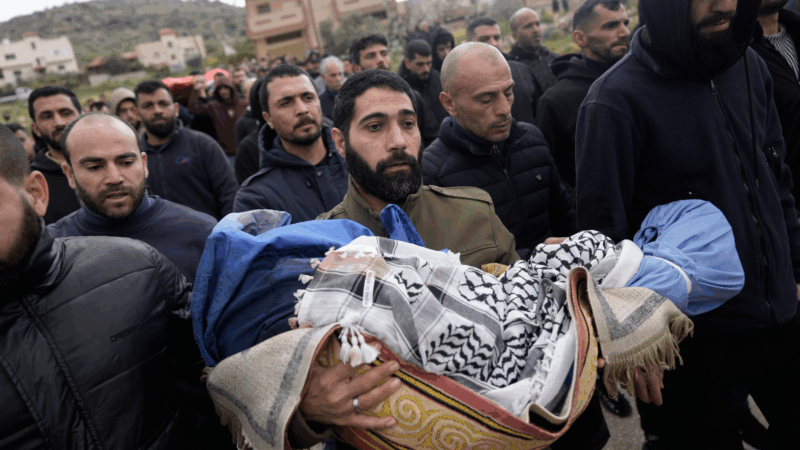
Israeli soldiers fire on family car in occupied West Bank, killing 4
Israeli soldiers fired on a car carrying a family in the northern West Bank, killing four people including two children, the Palestinian Authority's Health Ministry said.
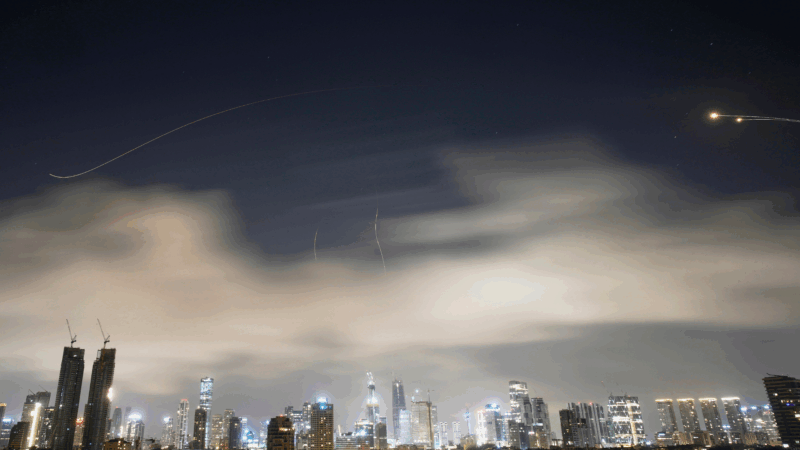
U.S. military names six killed in plane crash as Iran war enters third week
The conflict in the Middle East has entered a third week, with Israel announcing a barrage of new strikes on western Iran on Sunday, while the U.S. defense department released the names of six service members who died when their military refueling aircraft crashed.
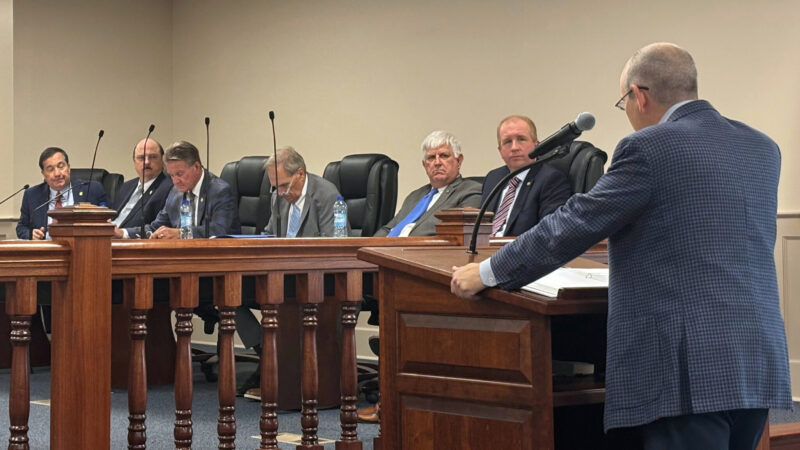
Alabama poised to drastically overhaul utility regulation. Will it lower electric bills?
The Alabama Senate unanimously voted to expand the public service commission, and create a Secretary of Energy to address rising electricity prices. A bill in the House would go even further, requiring rate case hearings and limiting utility profits.

Sunday Puzzle: BAD!
Ayesha Rascoe plays the puzzle with KCUR listener Justin Marciniak and Weekend Edition Puzzlemaster Will Shortz.
Acclaimed 20th century philosopher Jürgen Habermas dies at 96
Associated with the Frankfurt School, Habermas was a world-renowned thinker on modernity and democracy who helped shape German post-war and post-reunification political discourse.
Why the Chicago Bears could be moving to Indiana
While Illinois is trying to keep the team in Chicago's suburbs, Indiana lawmakers are offering a plan to finance a new stadium
