
‘More relevant every day’ in the U.S.: A filmmaker documented Russia’s journalists
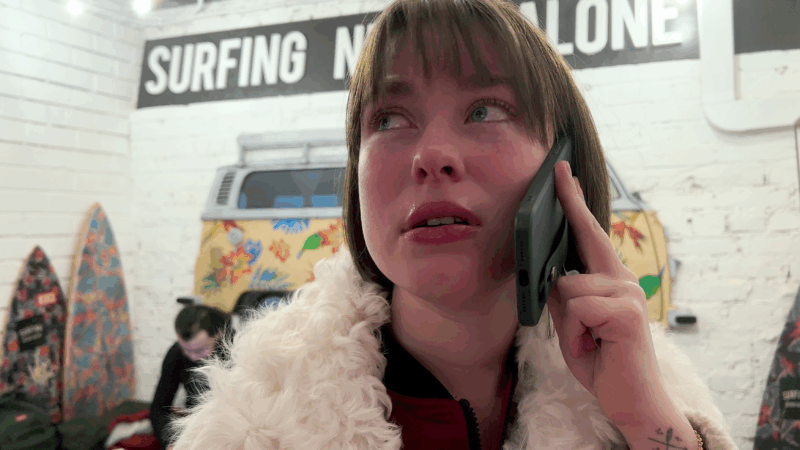
In the fall of 2021, four months before Russia started a full-scale war in Ukraine, filmmaker Julia Loktev came to Moscow to make a documentary. The Kremlin had recently labeled more than 100 individuals and organizations as “foreign agents” — a phrase with deep roots in Soviet-era repression — and Loktev wanted to understand what this designation meant.
“It [is] quite disturbing when a society forces members … to mark themselves everywhere as suspect, not really belonging to the society,” Loktev says. “And we said, ‘OK, let’s try to make a film about this. Let’s see where this goes.'”
Loktev, an American citizen who was born in the Soviet Union, says the designation was being applied to reporters, bloggers and human rights groups who had spent decades documenting political persecution. Her documentary, My Undesirable Friends: Part I — Last Air in Moscow, follows a group of young journalists working for TV Rain, Russia’s last independent television channel, as well as other independent journalists who had been deemed foreign agents.
Loktev says the nature of her film changed on Feb. 24, 2022, when Russia invaded Ukraine. “In that first week of the full-scale war, all that independent journalism becomes impossible in Russia,” she says. “And all of these characters try to work to live another day, to just keep reporting the truth.”
Many of the subjects of the documentary wound up fleeing Russia. TV Rain is now operating out of the Netherlands, and Loktev says the Russian government has accused several of the station’s news anchors of being extremist terrorists. Loktev sees parallels between the subjects in her film and Sisyphus, the character in Greek mythology forced to constantly push a boulder up a hill.
“If there is a lesson, I think it’s the things that people say in the film like, ‘Let joy and laughter be part of our resistance,'” she says. “You know, finding meaning in pushing the stone and not giving up — even when things seem rather hopeless.”
Interview highlights
On shooting the film on her iPhone
I had initially had this idea that I would have a cinematographer, because … you’re supposed to shoot documentaries with a little bit of a crew. But then, as soon as I arrived, it was so clear that the best thing that I had was my access to people, and also kind of how comfortable people seemed to feel with me. I speak native Russian, but I also … it’s just one body in the room and people really opened up to me. And also, people are used to being filmed with a phone. Like, the presence of phones is not a big deal. I did eventually [get] a little lens on my phone, and a little microphone, but it was just really me with the phone. And I think that so affects how people behave, because there’s an intimacy to the film and that’s what you see.
On following independent journalists when Russia invaded Ukraine
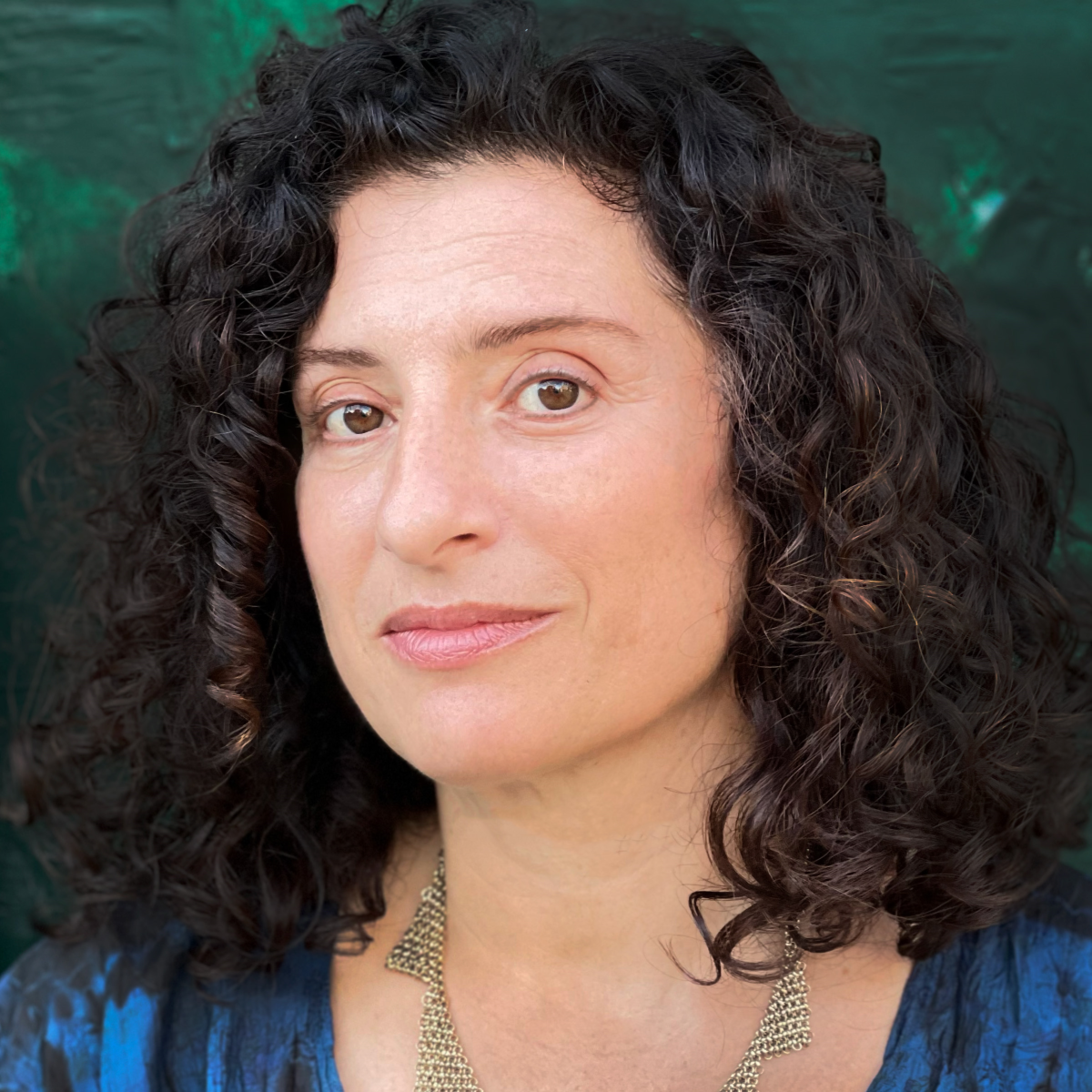
I was there filming during the first week of that full-scale war, and every day they were trying to figure out, “How do we get to report tomorrow?” And there were all these restrictions being put on them, like the Russian communications authority said they had to only report what is confirmed by the Ministry of Defense. And they would find all these ways around it. Like, they would be showing an apartment building bombed in Ukraine. And then after they would say, “We are obligated to say that the Russian Ministry of Defense says it is only bombing military targets,” when clearly we have just been shown that they are bombing an apartment building, not a military target.
They came out with a statement against the war. All of them were extremely against this and horrified, but they kept getting more and more threats. Eventually all these media would get shut down and they were facing this choice of literally, “Do we go to work tomorrow or do we go to the airport?” And they decided to go to the airport because the logic went, if they keep working, they really risked being thrown in jail. And if you’re in jail, you’re not much use to anyone as a journalist. … So they made the choice to leave so they could keep reporting.
On whether she feared for her own safety while filming
I thought about my own safety more when I first started coming to Russia. And then, during that first week of the full-scale invasion, I became monomaniacal. The only thing I could think of was my footage and getting it out and making sure I was capturing things and making [sure] I was filming.
Brittney Griner had just gotten arrested. But I was like, “Well, I’m not a famous basketball player.” It’s that thing you do where you logically try to explain to yourself why you’ll be OK. … I was staying in this hotel that was literally surrounded. Like every time I walked out, I had to walk past this wall of riot police and helmets. So I would just kind of keep my head down and go to wherever I needed to go to film.
On the parallels she sees between Russia’s crackdown on journalists and the current political climate in the U.S.
There’s Easter eggs in the film that become more and more relevant every day, whether it’s arrests of journalists, obviously, … [or] the end of comedy shows. Or there’s a moment where Russia’s largest, oldest NGO Memorial, which is a human rights organization that was dedicated to preserving the memory and researching cases of political repression going back to Stalinist times, but also now, and they’re shut down by the courts, and the judge uses the explanation of: Why should we, the victors in World War II, have to be ashamed of our history? And so then I hear Trump talking about the Smithsonian and saying: Why can’t we talk about only the pleasant things in our history? Why do we have to talk about things like slavery? … Every day it feels like something in the film starts to resonate in a different way here for the U.S.
Lauren Krenzel and Susan Nyakundi produced and edited this interview for broadcast. Bridget Bentz, Molly Seavy-Nesper and Beth Novey adapted it for the web.
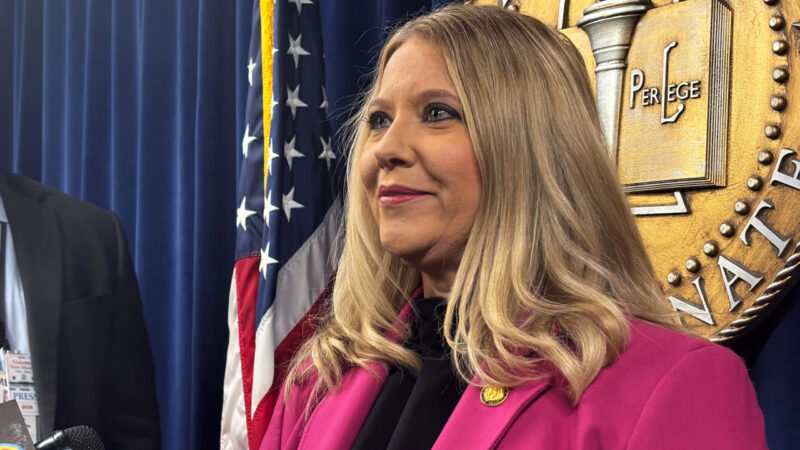
Alabama seek to bring back death penalty for child rape convictions
Alabama approved legislation Thursday to add rape and sexual torture of a child under 12 to the narrow list of crimes that could draw a death sentence.
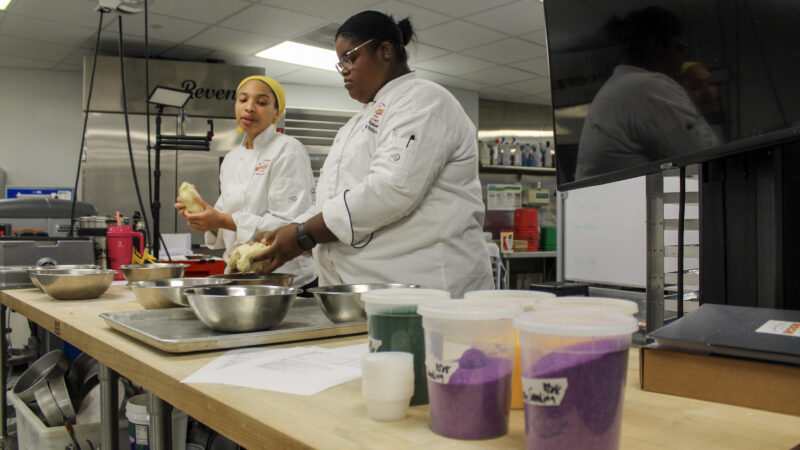
At NOCHI, students learn the art of making a Mardi Gras-worthy king cake
With Carnival in full swing, the New Orleans culinary school gave its students a crash course — and a rite of passage — in baking their first king cake.
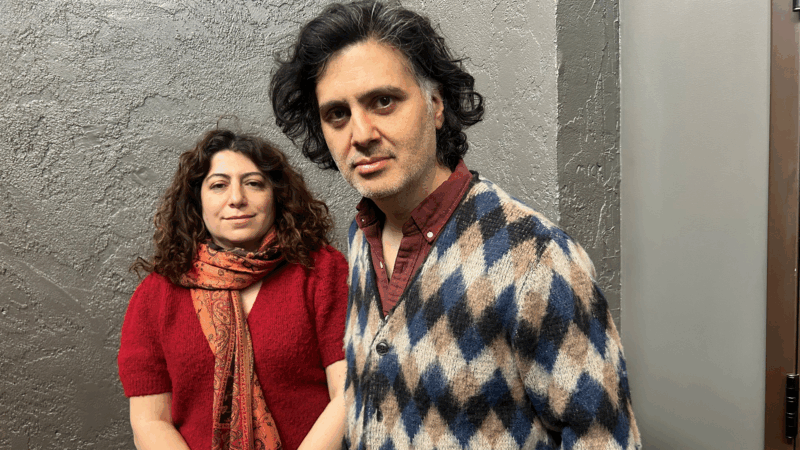
Their film was shot in secret and smuggled out of Iran. It won an award at Sundance
Between war, protests and government crackdowns, the filmmakers raced to finish and smuggle their portrait of Tehran's underground arts scene to the prestigious film festival.
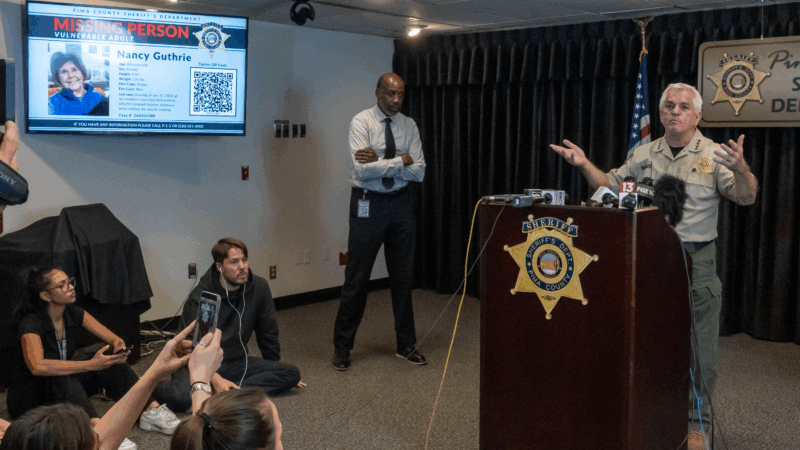
Day 5 of search for Nancy Guthrie: ‘We still believe Nancy is still out there’
The FBI is offering a reward of up to $50,000 for information leading to the recovery of Guthrie and/or the arrest and conviction of anyone involved in her disappearance.
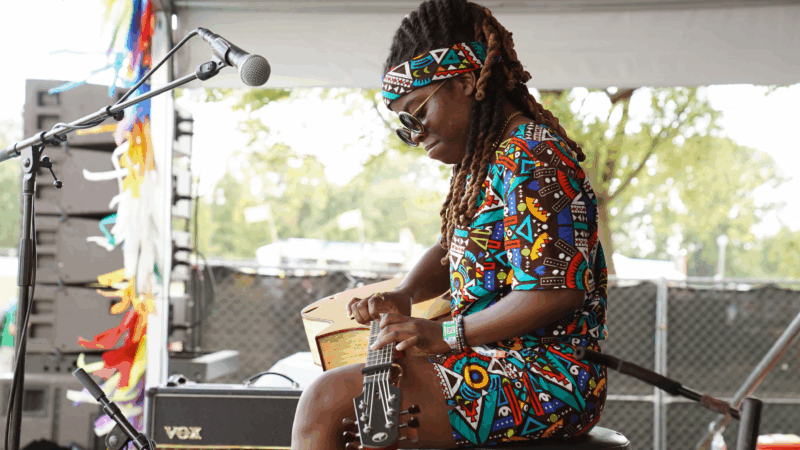
Where are all the protest songs?
Protest requires people to take a stand and hold firm. Pop songs are designed to appeal across demographic lines. In music, as in the rest of the world, resistance takes place closer to the ground.
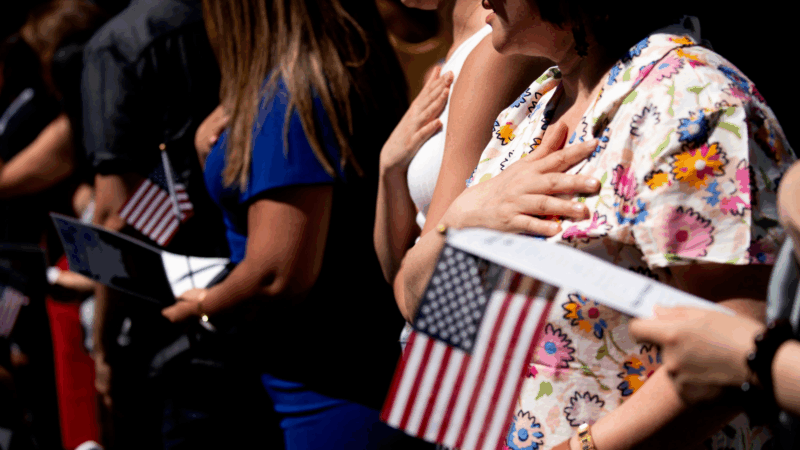
Trump officials propose testing a citizenship question amid a push to alter the census
The Trump administration proposes to include a question about U.S. citizenship status in this year's field test of the 2030 census, as Republicans push to alter the counts behind voting maps.
