
Mikaela Shiffrin set to ski for the first time in the Olympics in team combined event

CORTINA D’AMPEZZO, Italy — Slalom star Mikaela Shiffrin is set to make her 2026 Olympic debut on Tuesday in the women’s Alpine team combined event in Cortina.
The event pairs two skiers — one racing the downhill, the second racing the slalom — as a way to marry the two sides of competitive Alpine skiing, speed and technical.
Shiffrin, 30, is the world’s top slalom skier. This winter, she has won seven of eight World Cup slalom races (and placed second in the other), bringing her career World Cup win total to 108, the most of any skier all time, man or woman.
Shiffrin will race Tuesday alongside Breezy Johnson, the 30-year-old skier who won the Olympic downhill race on Sunday. The pair won the team combined event at last year’s World Championships in Hinterglemm, Austria, the first time the event was held at a major international skiing competition.
The team format has replaced the traditional individual combined event, as the speed and technical disciplines in skiing have diverged to the point where it has become rare for skiers to race in both. Tuesday’s race is the Olympic debut of the new format.
The U.S. women’s Alpine team is so strong that the Americans will field three other teams in addition to Shiffrin and Johnson. The second team of downhill skier Jackie Wiles, who finished fourth in Sunday’s individual race, and slalom skier Paula Moltzan, who is currently sixth in the World Cup slalom standings, should also contend for a medal.
Downhiller Bella Wright will ski with slalom skier Nina O’Brien, and the fourth team will feature Keely Cashman in downhill and A.J. Hurt in slalom.
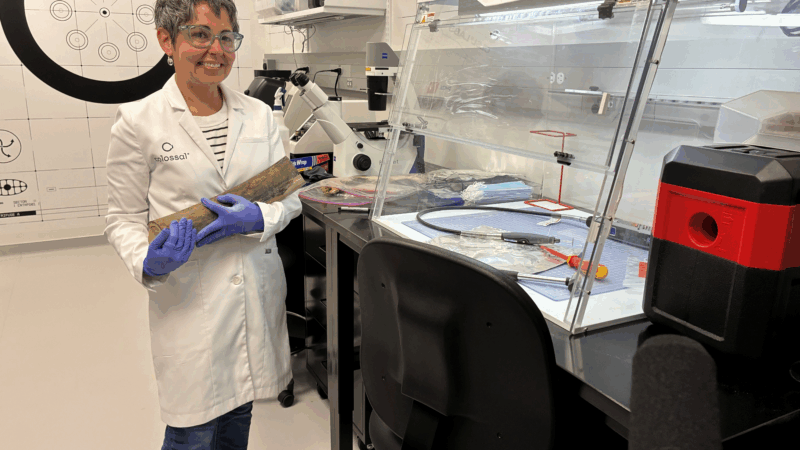
Colossal Biosciences breeds controversy while trying to revive mammoths
A Texas biotech company is trying to bring mammoths and other extinct creatures back to life. The science is as intriguing as the ethical questions are thorny.
Mundane, magic, maybe both — a new book explores ‘The Writer’s Room’
Why are we captivated by the spaces where where authors write? Katie da Cunha Lewin set out to explore "The Hidden Worlds That Shape the Books We Love."
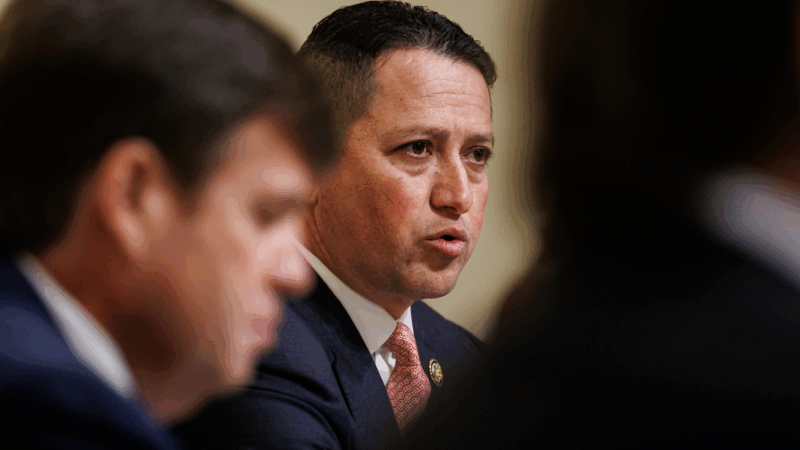
GOP Rep. Tony Gonzales heads to a runoff in Texas amid a new ethics probe in the House
Texas Republican Rep. Tony Gonzales has faced increasing pressure from his party to resign or drop out of his race after allegations of an affair with a staffer.
Satellite images show Iran school strike hit more targets than earlier reported
The images suggest that precision munitions struck other buildings, including a clinic that was also inside the complex.

As live music becomes more inaccessible, most fans stay watching through screens
Now that it is becoming harder and harder to get a ticket to your favorite artist's show, watching indirectly is becoming a popular compromise. What is gained and lost in a tiered concert hierarchy?

Paul McCartney’s decade of transformation: From Beatles breakup to John Lennon’s murder
Man on the Run shows McCartney's effort to define himself outside The Beatles' shadow: "Paul making this documentary was a way of coming to terms with that whole period," says director Morgan Neville.
