
Middle East conflicts largely avoided energy facilities in the past. Not in this war
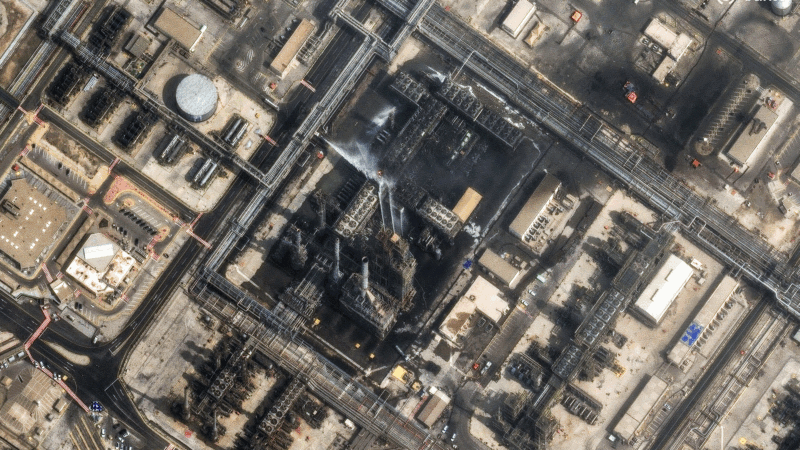
New drone strikes hit a major oil refinery in Bahrain on Thursday. The missile strikes were fired by Iran, according to the Bahrain News Agency.
Recent conflicts in the Middle East have either spared energy infrastructure or limited damage to a particular country. That isn’t the case in the current war with Iran.
In less than a week, strikes have hit energy infrastructure in at least six countries. Refineries in Bahrain, Kuwait, Qatar, Saudi Arabia and the United Arab Emirates have been hit, those countries have reported. Qatar’s liquified natural gas export facility, Ras Laffan – the biggest in the world – has also been struck.
While many countries have pointed the finger at Iran for the strikes on energy facilities, Iran has accused Israel of hitting a refinery in Saudi Arabia.
“ I do not think there’s precedent for this kind of regionwide conflict with facilities coming under attack from all kinds of methods, over a wide era, and all types of facilities at basically the same time,” says Robin Mills, chief executive of Qamar Energy, an energy advisory company based in Dubai.
Loading…
About a fifth of global liquified natural gas, or LNG, comes from Qatar. LNG is natural gas that’s cooled to about -260 Fahrenheit and then transported around the world on ships. It’s used for electricity, heating, and making petrochemicals like plastics.
State-owned QatarEnergy shut down production following the strikes on the Ras Laffan LNG facility. And, like most energy companies in the Persian Gulf, the company cannot move cargoes through the Strait of Hormuz. On Wednesday, QatarEnergy declared force majeure, a legal term relieving the company from contractual obligations. It’s likely that buyers in Asia and Europe won’t be getting that Qatari LNG for weeks if not longer, says Antoine Halff, chief analyst at Kayrros, a climate and environmental analytics firm. Israel has also shut down some offshore natural gas production.
The world is currently oversupplied with oil, but that’s not true of natural gas and LNG, says Gerry Kepes, president of Competitive Energy Strategies, an energy consultancy in Washington D.C. It’s the end of the winter in the Northern Hemisphere and natural gas storage levels are low in Europe.
“This may be the first time in history that the shutdown of LNG from the Gulf will have a more pervasive and negative impact than a cessation of crude oil exports,” Kepes says.
“The consequences of the war for gas and LNG are uncertain but could rival those that followed Russia’s invasion of Ukraine in 2022,” Simon Flowers, chairman and chief analyst at research firm Wood Mackenzie, wrote in a press note on Thursday.
Natural gas prices in Europe have risen more than 60% since the war began. Natural gas prices in Asia have risen more than 40%.
LNG producers in countries like Australia and Malaysia could potentially reroute some LNG cargoes to buyers in Asia and Europe.
The U.S. has become the largest LNG exporter in the world, with new facilities set to open in the Gulf Coast this year and next. Still, Mills says there’s not a lot these LNG companies can do to quickly make up for the lost supplies from the Persian Gulf.
“Countries and companies don’t really carry LNG spare capacity,” Mills says. “They run the plants as close to full out as they can almost all the time.”
Several LNG producers outside the Middle East region are already seeing stock prices increase. Australian LNG producers Woodside Energy Group and Santos Energy have seen their stock prices rise more than 9% and more than 10%, respectively, in the last week since the war began.
In the U.S., LNG producers Cheniere and Venture Global have seen their stock prices rise more than 8% and more than 27%, respectively, in the last week.

Trump looks to turn attention to Western Hemisphere at Americas summit
President Trump is set to gather with Latin American leaders on Saturday at his Miami-area golf club as his administration looks to turn attention to the Western Hemisphere, at least for a moment.

Trump administration’s embattled FDA vaccine chief is leaving for the second time
The FDA's controversial vaccine chief, Dr. Vinay Prasad, is leaving the agency. It's the second time he has abruptly departed following decisions involving the review of vaccinations and specialty drugs.

Family, former presidents and a Hall of Famer give Rev. Jesse Jackson a final sendoff
Several speakers at Jackson's funeral invoked his hallmark catchphrases: "Keep hope alive" and "I am somebody."
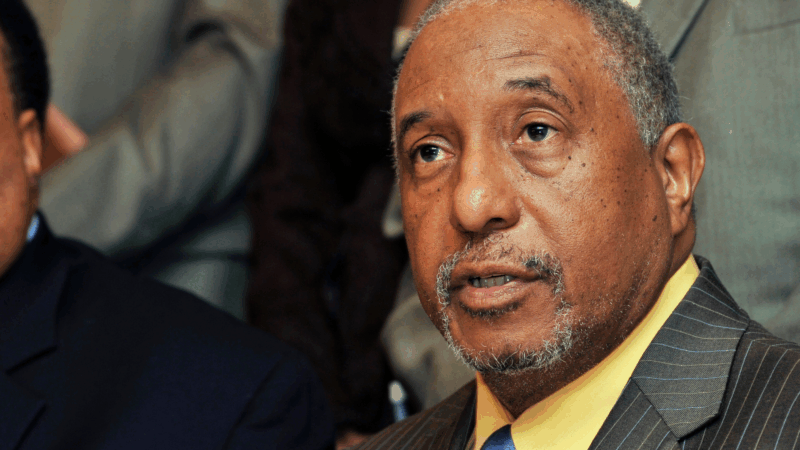
Bernard LaFayette, Selma voting rights organizer, dies at 85
Bernard LaFayette, who died Thursday, laid the foundations of the Selma, Alabama, campaign that culminated in the passage of the Voting Rights Act. He was a Freedom Rider and helped found the Student Nonviolent Coordinating Committee.

Oil surges to its highest price since 2023, and stocks drop after U.S. jobs report
Stocks fell Friday on worries that the economy could become stuck in a worst-case scenario of stagnating growth and high inflation. Oil prices touched their highest levels since 2023 after surging again because of the Iran war.
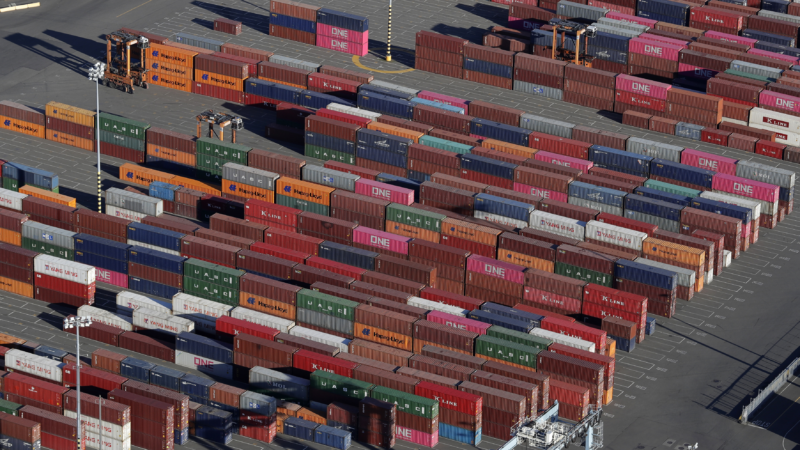
No lawsuits required: U.S. Customs is working on a system to refund tariffs
U.S. Customs told the trade court it aims for a streamlined process in 45 days to return importers' money without requiring individual lawsuits.
