
Meta CEO Mark Zuckerberg to face jury in landmark social media addiction trial
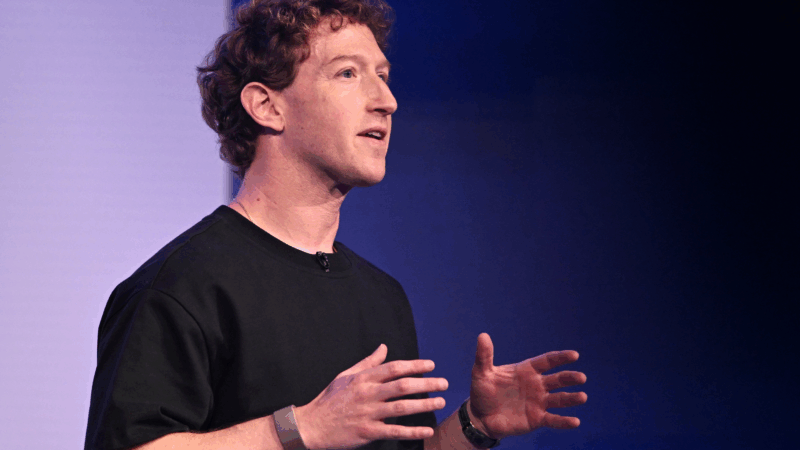
Meta CEO Mark Zuckerberg is set to be grilled on Wednesday by lawyers who say social media services like Instagram were intentionally designed as “digital casinos” to hook young people, fueling a teen mental health crisis.
Zuckerberg’s appearance before a Los Angeles jury is the most highly anticipated of the trial. Like the rest of the proceeding, Zuckerberg’s testimony will not be available by livestream.
The crux of the trial is one question that could have sweeping consequences for Silicon Valley: Are social media platforms “defective products” engineered to exploit vulnerabilities in young people’s brains?
Attorneys for the tech companies have countered that a child experiencing mental health issues after using a platform does not mean social media is responsible for the child’s problems. Instead, they argue that the industry has become a scapegoat for the complex emotional issues children face that can have many root causes.
Yet lawyers for the parents suing point to internal documents at the companies stressing the goal of making social media apps difficult to put down through features like infinite scroll, auto-play, likes, beauty filters and push notifications. “These companies built machines designed to addict the brains of children,” lawyer Mark Lanier said during the trial’s opening statements. “And they did it on purpose.”
The woman at the center of the case, a 20-year-old from California known only as KGM, or Kaley, in legal documents, says she started compulsively using YouTube when she was 6 years old and later, around age 9, she began scrolling on Instagram. Kaley said her use of the platforms worsened her depression and suicidal thoughts. Jurors are expected to hear from her at length when she takes the witness stand later in the trial.
There’s a lot at stake for the tech companies, since this is considered a test case, potentially shaping the outcome of some 1,600 other pending social media addiction cases that have been consolidated from parents of children and school districts.
Meanwhile in New Mexico, Meta is facing a separate consumer protection trial that is now underway brought by the state’s attorney general, who accuses the tech giant of failing to prevent child sexual exploitation on its platforms. It’s unclear whether Zuckerberg will take the witness stand in that case.
In the Los Angeles trial, which is in state court, the jury needs three-fourths agreement, so 9 out of 12 jurors, to side with either KGM or the tech companies. A win for the family could lead to serious monetary damages and platform-wide changes to social media apps. The outcome of this trial is anticipated to open the door to settlement talks for the hundreds of other suits.
For decades, Silicon Valley has maintained a nearly impenetrable legal perimeter in the form of Section 230 of the Communications Decency Act, a 1996 law that allows tech companies to avoid legal responsibility for what its users post. But in recent years, plaintiffs’ lawyers have employed a novel legal tactic to get around Section 230 by bringing cases against social media companies under product liability laws akin to a manufacturer sued over a defective product.
In her original suit, KGM sued Meta, Google, TikTok and Snap, accusing the companies of borrowing techniques used by Big Tobacco in decades past to target young people to get them addicted, all the while ignoring internal research that their products would cause harm to teens.
Both TikTok and Snap settled before trial, leaving Meta and Google as the two remaining defendants.
For weeks, the courtroom has been filled with bereaved parents holding framed photos of their children who died after encountering harm on social media.
Julianna Arnold, whose daughter died at 17 after being lured by a predator she met on social media, has been among those attending the trial proceedings in Los Angeles. She and other parents are hoping for a verdict against the tech companies.
“We lost our kids, and there’s nothing we can do about that. But what we can do is inform other parents and families about these harms and that these platforms are dangerous and that we need to put guardrails on these companies,” Arnold told NPR recently. “And they cannot just do whatever they want when they want, how they want. And I want parents to know that these are not safe platforms for their children.”
Google is a financial sponsor of NPR.

Auburn football player uses NIL funds to open a community hub in Birmingham
Jourdin Crawford, a freshman defensive lineman at Auburn, used earnings from a Name, Image, and Likeness deal to give back to his hometown.

Fear of Iranian mines in the Strait of Hormuz could further slow the flow of oil
Attacks by Iran have already nearly halted the flow of oil through the vital waterway as commercial ship crews fear being hit by missiles, drones or mines.

Bruno Mars adds yet another milestone to his career with ‘The Romantic’
Bruno Mars is the most-listened to artist in the world on Spotify. He's won 16 Grammys. In case you thought there were no battles left for him to win, this week he unlocked another achievement.
There’s more than one path to a confessional song
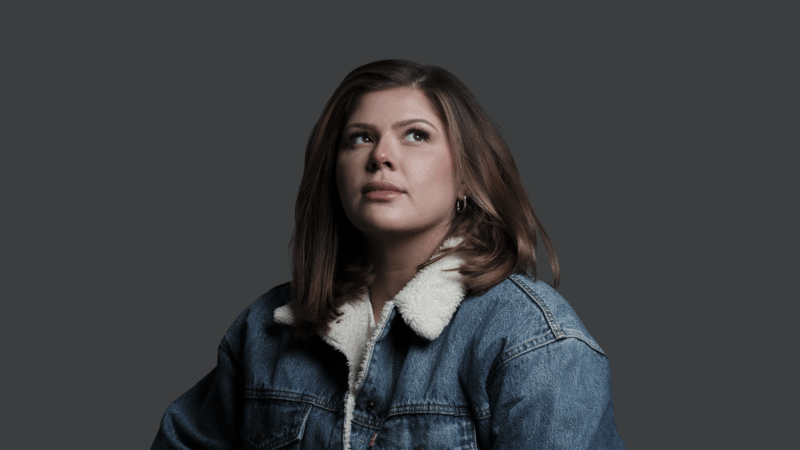
On new albums by viral sensation Yebba and studio whiz Pimmie, it's clear modern R&B has been clearing space for vastly different stripes of singer-songwriter.

Suspect in attack at Michigan synagogue is dead, officials say
Security officers at Temple Israel had "engaged the threat" that apparently started with a vehicle ramming into the building, according to Oakland County Sheriff Mike Bouchard.
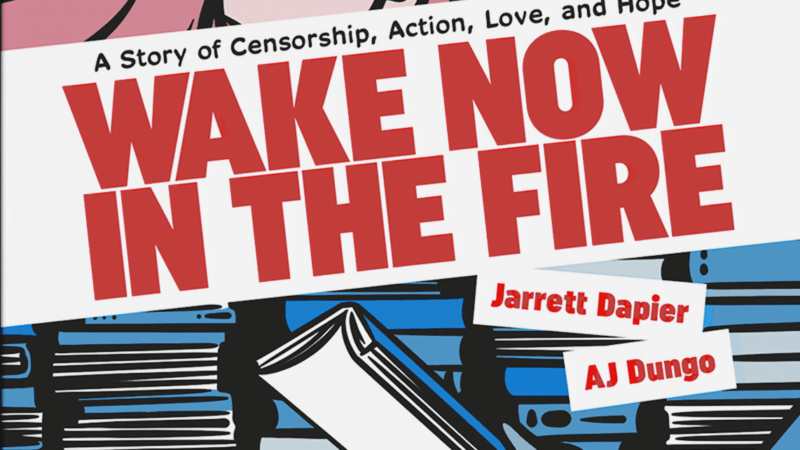
This tale of a Chicago school book ban was inspired by true events
Librarian Jarrett Dapier's graphic novel tells a fictionalized account of real-life events in 2013 that restricted access to Marjane Satrapi's memoir Persepolis in Chicago Public Schools.
