
Medical groups are concerned that RFK Jr. may dismiss a panel of primary care experts

Health and Human Services Secretary Robert F. Kennedy Jr. may soon dismiss the members of the U.S. Preventive Services Task Force, an advisory panel of primary care experts, raising “deep concern” from the American Medical Association and other top medical groups.
The plan was first reported in The Wall Street Journal. “It’s very concerning — and it’s not the first time we’ve been concerned,” says Dr. Bobby Mukkamala, president of the AMA. NPR has not independently confirmed the plan.
Last month, Kennedy dismissed the members of a different advisory committee — one on vaccines for the CDC — and replaced them with his own picks, who largely lacked the expertise in vaccines, immunology and patient care the members typically have.
Mukkamala worries the same could happen now with the USPSTF. The independent group of experts focuses on primary care, and is convened by the Agency for Healthcare Research and Quality, under the Department of Health and Human Services, which is overseen by Kennedy.
“When you have something good and you don’t know if it’s going to be replaced with something good, it’s just a risk that nobody should take,” Mukkamala says.
The Department of Health and Human Services did not immediately respond to a request for comment.
The USPSTF has been reviewing data and making recommendations for preventing all sorts of diseases since 1984.
“Probably every patient I see, I’m using about five to 20 of their guidelines to make sure that I’m keeping that person healthy,” says Dr. Alexander Krist, a family physician at Virginia Commonwealth University, and a former chair of the task force. For example, those guidelines are used for mammograms for breast cancer screening, colonoscopies for colon cancer, or managing high blood pressure, diabetes, obesity, depression or anxiety, he says.
Overall, the USPSTF curates around 100 guidelines for preventive care, addressing care from newborns to the elderly.
Many primary care clinicians consider the task force’s guidelines to be the “most trusted source for their recommendations,” says Dr. Michael Barry, an internal medicine researcher and professor at Harvard Medical School, also a former member and chair of USPSTF. “That trust is based on being consistent over 40 years, using the same rules over time, being careful that as new members join, they’re vetted for conflicts of interest and that they consistently apply the Task Force methods to making decisions.”
Firing all the current USPSTF members could lead to doctors losing trust in the guidelines. “Clinicians are going to be left struggling to understand what they should be doing and who they should be listening to in terms of preventive care for America,” says Krist.
Since the Affordable Care Act in 2010, the USPSTF guidelines have also been tied to what most insurers cover.
Earlier this month, the AMA, along with over 100 other health organizations, sent a letter to members of Congress, in response to Kennedy canceling a previously scheduled meeting of the USPSTF. The letter urged Congress to protect “the integrity of the USPSTF from intentional or unintentional political interference.” The signatories warned: “The loss of trustworthiness in the rigorous and nonpartisan work of the Task Force would devastate patients, hospital systems, and payers.”
The AMA followed up with a letter to Kennedy on Sunday, expressing its objections to the reported plans. The 16 members of the Task Force “dedicat[e] their time to help reduce disease and improve the health of all Americans — a mission well-aligned with the Make America Healthy Again initiative,” the letter states, urging Kennedy to retain the current members and continue its regular meeting schedule.
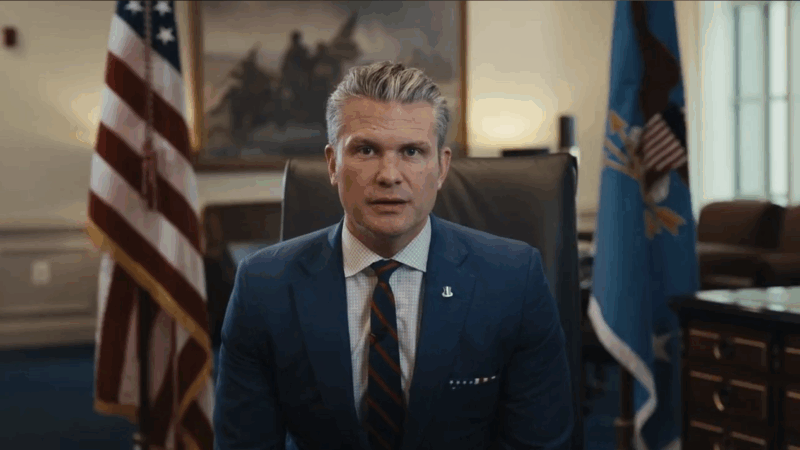
Pentagon puts Scouts ‘on notice’ over DEI and girl-centered policies
After threatening to sever ties with the organization formerly known as the Boy Scouts, Defense Secretary Hegseth announced a 6-month reprieve

President Trump bans Anthropic from use in government systems
Trump called the AI lab a "RADICAL LEFT, WOKE COMPANY" in a social media post. The Pentagon also ordered all military contractors to stop doing business with Anthropic.

HUD proposes time limits and work requirements for rental aid
The rule would allow housing agencies and landlords to impose such requirements "to encourage self-sufficiency." Critics say most who can work already do, but their wages are low.
Paramount and Warner Bros’ deal is about merging studios, and a whole lot more
The nearly $111 billion marriage would unite Paramount and Warner film studios, streamers and television properties — including CNN — under the control of the wealthy Ellison family.
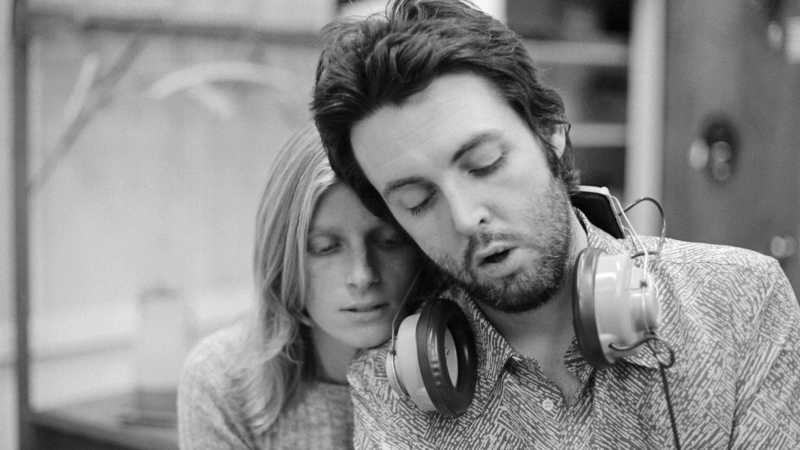
A new film follows Paul McCartney’s 2nd act after The Beatles’ breakup
While previous documentaries captured the frenzy of Beatlemania, Man on the Run focuses on McCartney in the years between the band's breakup and John Lennon's death.

An aspiring dancer. A wealthy benefactor. And ‘Dreams’ turned to nightmare
A new psychological drama from Mexican filmmaker Michel Franco centers on the torrid affair between a wealthy San Francisco philanthropist and an undocumented immigrant who aspires to be a dancer.
