
Medicaid keeps getting more popular as Republicans aim to cut it by $800 billion
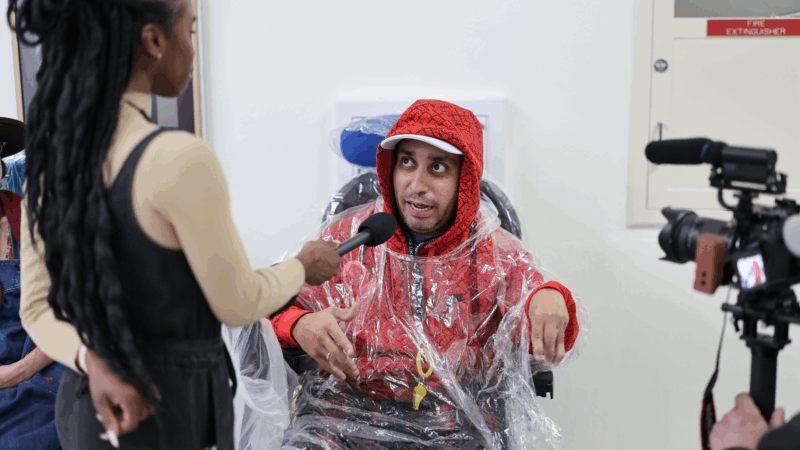
Medicaid has always been pretty popular, which is why the latest numbers on it even surprised pollster Ashley Kirzinger.
“We actually are seeing a pretty significant uptick in Medicaid popularity,” says Kirzinger, who is director of survey methodology for health research organization, KFF. According to a poll published Tuesday, 83% of the public have favorable views of Medicaid. Just a few months ago, in January, that figure was 77% of the public.
Support from 3 in 4 Republican voters
“The largest uptick we saw in favorability of the past couple of months was among Republicans,” Kirzinger adds. Three in four Republicans now say they view Medicaid favorably.
That popularity boost comes as many more people are hearing about Republican cuts to Medicaid in the news. It’s among the most difficult political issues for Republican lawmakers trying to navigate narrow majorities in both houses of Congress to pass their tax and budget bill. The legislation, officially named the “One Big Beautiful Bill Act”, passed the House, and the Senate is trying to pass its version before the July 4 recess.
That budget bill is much less popular than Medicaid, the KFF poll found. Overall, two in three Americans have unfavorable views of the bill. Those who support President Trump do like the bill, but they also like Medicaid, Kirzinger says.
Support for more Medicaid funding
Medicaid provides health coverage to 71 million low-income and disabled people across the country. (Since Medicaid goes by many different names, such as KanCare in Kansas and Apple Health in Washington State, pollsters ask their Medicaid questions using the name of the program in the home state of the interviewee, Kirzinger explains.) An additional 7 million low-income children are enrolled in the Children’s Health Insurance Program, known as CHIP.
Part of the popularity of Medicaid is its reach. “A large share of the public say that either they or a family member have ever received some type of coverage through Medicaid,” Kirzinger says. “Once people are thinking about Medicaid as a program that has benefited themselves or a family member, then it hits a little bit closer to home for them.”
In fact, “people want to see increased spending on Medicaid and they don’t want to see it cut,” she says. In March, KFF found only 17% of people were in favor of decreased federal funding for Medicaid, and 42% said it should actually be increased.
Medicaid is funded by a combination of state and federal tax dollars. The current budget bill being hammered out in the Senate cuts nearly $800 billion in federal spending on Medicaid to help pay for tax cuts and increased border spending.
Language matters
“Attitudes towards the bill are really subject to messaging,” Kirzinger says, which speaks to the speed at which the thousand-page bill has gone through the lawmaking process.
“If you tell people that it would decrease funding for local hospitals, unfavorability increases to nearly eight in ten. If you tell people it would increase the uninsured [population] by about 10 million people, unfavorability increases to three in four.”
Republican lawmakers have downplayed the projected financial impact to rural hospitals and the number of people who could become uninsured, aiming to frame the proposed changes as targeting those who don’t deserve coverage.
That’s how Rep. Brett Guthrie, R-Ky., who chairs the Energy and Commerce Committee, sold the proposal in an opinion piece for Fox News earlier this month.
“Every vulnerable American who needs Medicaid should be protected and have access to care,” he wrote. “That’s why House Republicans have thoughtfully curated a bill that realigns incentives in Medicaid for states to care for the most vulnerable over individuals who aren’t eligible for the program, including illegal immigrants.”

Democrats and health advocacy groups emphasize the projected impacts of the bill. “Voting for this bill is voting to kick seniors out of nursing homes; it is voting to shut down hospitals in rural areas; it is voting to take coverage away from kids with disabilities,” Senator Patty Murray, D-Wa., said in a press conference with health providers and Medicaid beneficiaries last week.
The KFF poll found that people who currently have Medicaid are worried about losing coverage. “A majority of them say it would be very difficult for them to see a health care provider or pay for any other form of health insurance coverage, and nearly two thirds say it would be difficult for them to afford their prescription medications that they rely on,” Kirzinger says.
“Most of them say it would have a major impact not only on their financial well-being and their overall quality of life, but also their mental and physical health,” she adds.
Forget the State of the Union. What’s the state of your quiz score?
What's the state of your union, quiz-wise? Find out!
SNL mocked her as a ‘scary mom.’ In the Senate, Katie Britt is an emerging dealmaker
Sen. Katie Britt, Republican of Alabama, is a budding bipartisan dealmaker. Her latest assignment: helping negotiate changes to immigration enforcement tactics.
Nancy Guthrie case: How do families of missing people cope with the uncertainty?
When a loved one goes missing, relatives can feel guilty simply for eating, says Charlie Shunick, whose sister was kidnapped. Shunick now helps others navigate a nightmare "nobody is prepared for."

A team of midlife cheerleaders in Ukraine refuses to let war defeat them
Ukrainian women in their 50s and 60s say they've embraced cheerleading as a way to cope with the extreme stress and anxiety of four years of Russia's full-scale invasion.
As the U.S. celebrates its 250th birthday, many Latinos question whether they belong
Many U.S.-born Latinos feel afraid and anxious amid the political rhetoric. Still, others wouldn't miss celebrating their country
This community festival embraces the joys of a frozen lake — while it still has one
As climate change accelerates, local experts say the date Wisconsin's Lake Mendota freezes over is getting later, making safe conditions for activities that rely on snow and ice harder to predict.
