
Measles continues to spread in the US, but with some letup
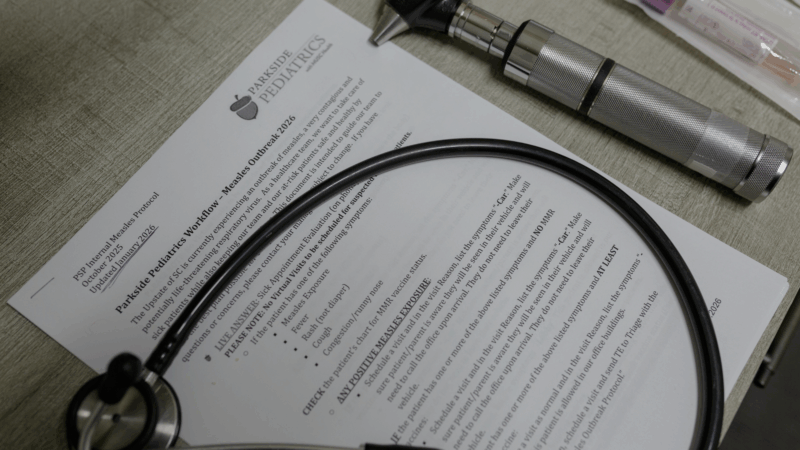
South Carolina’s measles outbreak continues to grow, with a total of 876 confirmed cases, which is the biggest outbreak the U.S. has seen in decades. But there are some positive signs in this current outbreak.
The outbreak started in October, and within 16 weeks it had surpassed the Texas outbreak of 2025. Now that rate of new confirmed cases has slowed. On Tuesday, public health officials in South Carolina reported just 29 new confirmed cases, which is a much smaller number than in recent weeks. State epidemiologist Linda Bell told reporters on Wednesday that it’s too soon to say if that means the trajectory of this outbreak has finally slowed, but they are hopeful.
Bell said public health officials’ outreach efforts on vaccination seem to be working. A few weeks ago, she told reporters that not very many people were getting vaccines at mobile clinics they were offering. But on Wednesday, she reported vaccinations were up by 162 percent in January compared to last year in Spartanburg County, which is the epicenter of the outbreak. And she says across the state, vaccinations were up 72 percent, which is going to be key to stopping the spread of this virus.
“So far, this is the best month for measles vaccination during this outbreak,” Bell says.
“I’m hoping that what we can attribute that to is a wider recognition of the threat of this disease circulating in our communities and the desire for people to be protected against the complications,” she adds.
Common complications from measles include encephalitis, or brain swelling, and pneumonia. Bell says public health officials knew of at least 19 people, children and adults, who have been hospitalized so far.
Dr. Robin LaCroix is a pediatric infectious disease physician with Prisma Health in Greenville, S.C. She’s helped treat several children hospitalized with measles, and she says they can get really ill. “When I go in to see these children, it is always so sobering to see how difficult this illness is for them,” she says.
“They’re dehydrated, both from fever and from feeling so poorly. They are coughing and coughing and coughing.”
She and her colleagues told reporters on Wednesday that they are bracing to see further complications in kids that can happen after a measles infection. They expect to see more of these complications in coming months.
Several unvaccinated pregnant women have also had to be treated with immune globulin after being exposed to measles, Bell said. The disease poses severe risks to pregnant women and their babies, including an increased risk of maternal death, preterm labor and stillbirth.
There have also been reports of measles cases at two Immigration and Customs Enforcement facilities. One was a single case confirmed earlier in January at a detention center in Florence, Ariz. And this past weekend, the Department of Homeland Security confirmed at least two measles cases in people held at the ICE detention center for families in Dilley, Texas.
DHS spokesperson Tricia McLaughlin said in a statement that the two people are now in quarantine. She said federal immigration officials have halted all movement within the centers and are quarantining anyone who may have been exposed.
Still, Dr. Katherine Peeler of Harvard Medical School is concerned. She has studied health care in immigration detention centers and is a medical expert with Physicians for Human Rights. She points to a measles outbreak that occurred in an ICE facility in 2016. Researchers later found that even with relatively high immunity levels among the people held there, measles can spread quickly in a crowded center.
“I am very concerned that we’re going to see higher rates of measles outbreaks, the same way that we saw very high rates of COVID, both in adult detention centers as well as family detention centers,” she says.
And as vaccination rates decline across the country and the U.S. sees more measles cases, as well as more people detained at ICE facilities, Peeler says the risk of outbreaks grows.
Transcript:
SCOTT DETROW, HOST:
South Carolina’s measles outbreak continues to grow. The state now has a total of 876 confirmed cases. This is one of the biggest outbreaks the U.S. has seen in decades. But there are some positive signs in this current outbreak. Here to tell us the latest is NPR health correspondent Maria Godoy. Hey, Maria.
MARIA GODOY, BYLINE: Hey, Scott.
DETROW: What’s the latest out of South Carolina?
GODOY: Well, you know, this outbreak started in October, and within 16 weeks it had surpassed the huge Texas outbreak from last year. So that was a breathtaking pace of growth. Now, this week, the rate of new confirmed cases slowed. Yesterday, public health officials in South Carolina reported just 29 new confirmed cases, which is a lot smaller number than we have been seeing in their twice-weekly updates. State epidemiologist Linda Bell told reporters today it’s too soon to say if that means it’s a slowdown in the trajectory of this outbreak, but they are hopeful.
DETROW: Did they give any reasons for why they think this might be slowing down?
GODOY: Well, Bell said public health officials’ outreach efforts on vaccinations seem to be working. A few weeks ago, she told reporters that not very many people were getting vaccines at the mobile clinics they were offering. But today, she said vaccinations were up by 162% in January, compared to last year in Spartanburg County, which is the epicenter of the outbreak. And she says, across the state, vaccinations were also up a lot, which is going to be key to stopping the spread of this virus.
LINDA BELL: I’m hoping that what we can attribute that to is a wider recognition of the threat of this disease circulating in our communities and the desire for people to be protected against the complications.
DETROW: What sort of complications are we talking about?
GODOY: Yeah, so measles can cause a host of problems like brain swelling, pneumonia. Those are among the most common. Bell said they know of at least 19 people – children and adults – who have been hospitalized. Dr. Robin LaCroix is a pediatric infectious disease specialist with Prisma Health in Greenville, South Carolina. She’s helped treat several children hospitalized with measles, and she says they can get really, really sick.
ROBIN LACROIX: They’re dehydrated both from fever and from feeling so poorly. They are coughing and coughing and coughing.
GODOY: She and her colleagues told reporters today that they are bracing to see further complications in kids that can happen after a measles infection. They expect to see more of these complications in coming months.
DETROW: There was also news this week of measles cases at ICE detention centers. What can you tell us about that?
GODOY: Yeah, so there have been reports of measles cases at two ICE facilities. One was a single case that happened earlier in January at a detention center in Florence, Arizona. And this past weekend, the Department of Homeland Security confirmed at least two measles cases in people held at the ICE detention center for families in Dilley, Texas. Whether that turns into an outbreak – so three or more cases – depends on vaccination rates among detainees. I talked with Dr. Katherine Peeler of Harvard. She has studied health care in immigration detention centers, and she points to a measles outbreak that occurred in an ICE facility in 2016. Researchers later found that even with relatively high immunity levels among the people held there, measles can spread quickly in a crowded center.
KATHERINE PEELER: I’m very concerned that we’re going to see higher rates of measles outbreaks the same way that we saw a lot of – we saw very high rates of COVID, both in adult detention centers as well as family detention centers.
DETROW: How has DHS been dealing with this?
GODOY: Yeah, DHS spokesperson Tricia McLaughlin said in a statement that the people infected at both facilities are now in quarantine, and federal immigration officials have halted all movement within the centers, and they’re quarantining anyone who may have been exposed. But as vaccination rates decline across the country and we see more measles cases, as well as more people detained at ICE facilities, Peeler of Harvard says the risks of outbreaks grow.
DETROW: That is NPR’s Maria Godoy. Thank you so much for your reporting.
GODOY: My pleasure.
(SOUNDBITE OF MUSIC)
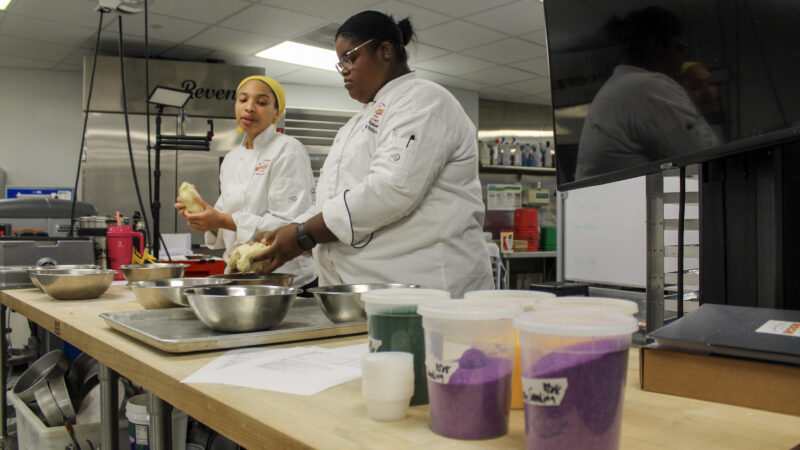
At NOCHI, students learn the art of making a Mardi Gras-worthy king cake
With Carnival in full swing, the New Orleans culinary school gave its students a crash course — and a rite of passage — in baking their first king cake.
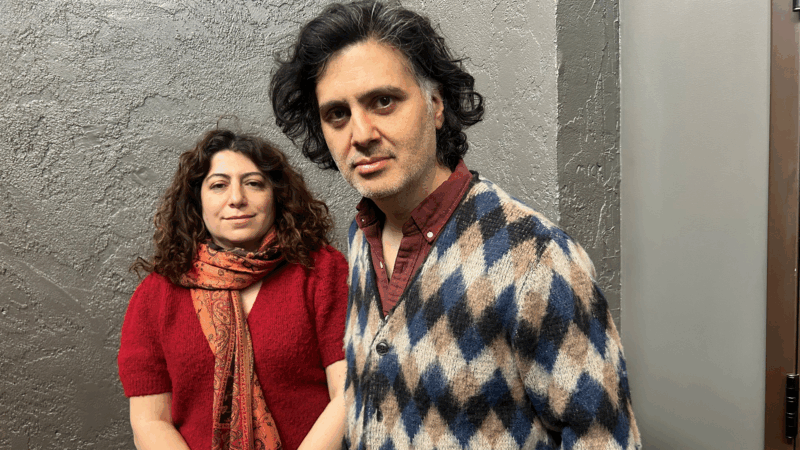
Their film was shot in secret and smuggled out of Iran. It won an award at Sundance
Between war, protests and government crackdowns, the filmmakers raced to finish and smuggle their portrait of Tehran's underground arts scene to the prestigious film festival.

Day 5 of search for Nancy Guthrie: ‘We still believe Nancy is still out there’
The FBI is offering a reward of up to $50,000 for information leading to the recovery of Guthrie and/or the arrest and conviction of anyone involved in her disappearance.

Where are all the protest songs?
Protest requires people to take a stand and hold firm. Pop songs are designed to appeal across demographic lines. In music, as in the rest of the world, resistance takes place closer to the ground.

Trump officials propose testing a citizenship question amid a push to alter the census
The Trump administration proposes to include a question about U.S. citizenship status in this year's field test of the 2030 census, as Republicans push to alter the counts behind voting maps.
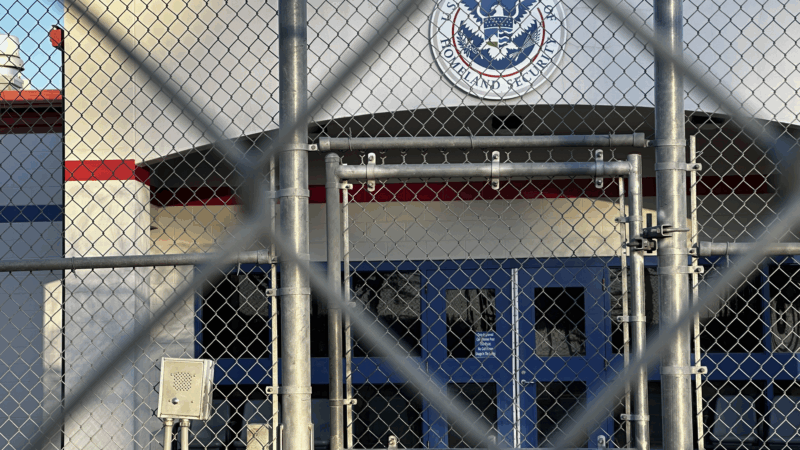
Some Public Health Service officers quit rather than serve in ICE detention centers
A special corps of health care workers have been called in to work with detained immigrants and many feel deeply conflicted about the assignment, saying they're not able to provide good care.
