
Mangione pre-trial hearing wraps, but judge won’t rule on evidence for months
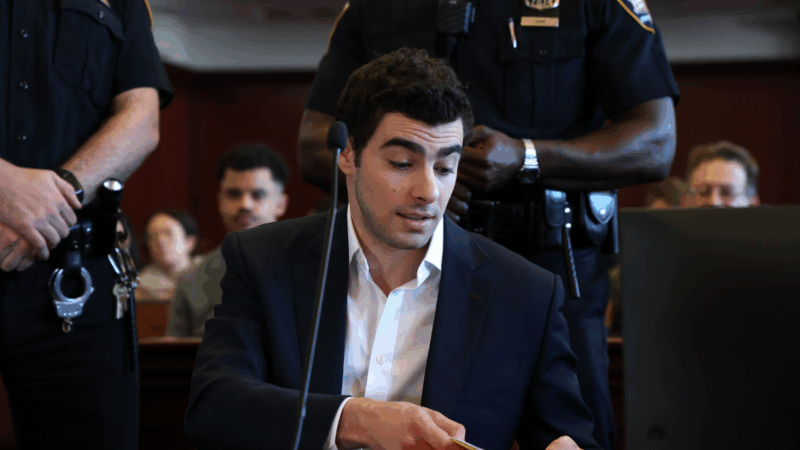
NEW YORK — After nearly three weeks of testimony, pretrial suppression hearings in Luigi Mangione’s New York state case have finally concluded. The 27-year-old was arrested one year ago for the murder of UnitedHealthcare CEO Brian Thompson, and faces state charges including murder, criminal possession of a weapon and criminal possession of a forged instrument.
These hearings will ultimately determine what evidence can and cannot be presented during the trial — most notably, the contents of a backpack Mangione had at the time of his arrest, including a 9 mm handgun, a loaded gun magazine and silencer, and a red notebook in which prosecutors allege Mangione wrote of his intent to “wack” a health insurance executive.
The defense has argued that this evidence should be inadmissible in court, because it was obtained without a search warrant.
Prosecutors say that a search warrant was not required at the time of Mangione’s arrest at a McDonald’s in Altoona, Pennsylvania.
Mangione’s lawyers also argue that statements made to law enforcement before Mangione was informed of his right to remain silent should be inadmissible.
It will be up to Judge Gregory Carro to determine whether or not this evidence will be admitted. He said that he’ll rule on May 18.
This pretrial hearing has given the public unique insight into some of the most crucial pieces of evidence in the case. Over the course of three weeks, multiple officers involved in Mangione’s arrest testified, and body-worn camera footage from multiple angles shows officers approaching Mangione and searching his backpack while Christmas music plays in the background.
The evidence in question would apply to Mangione’s New York state trial, though Mangione is also facing separate federal charges. If convicted federally, he could face the death penalty.
The killing of UnitedHealthcare CEO Brian Thompson on a Manhattan sidewalk last year sparked a national dialogue about the high cost of healthcare in the U.S., which has grown in recent months as uncertainty looms over changes to the Affordable Care Act.
He was previously charged with murder as an act of terrorism in New York state, but in September Judge Carro dismissed the charge, saying prosecutors “appear to conflate an ideological belief with the intent to intimidate or coerce a civilian population.”
Mangione’s next court appearance is scheduled for January 9 in federal court.
Additional reporting was contributed by WNYC’s Walter Wuthmann.
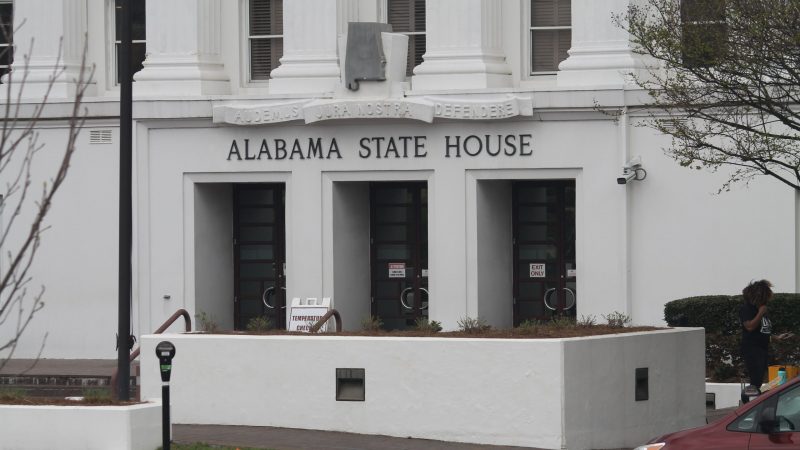
Bill making the Public Service Commission an appointed board is dead for the session
Usually when discussing legislative action, the focus is on what's moving forward. But plenty of bills in a legislature stall or even die. Leaders in the Alabama legislature say a bill involving the Public Service Commission is dead for the session. We get details on that from Todd Stacy, host of Capitol Journal on Alabama Public Television.
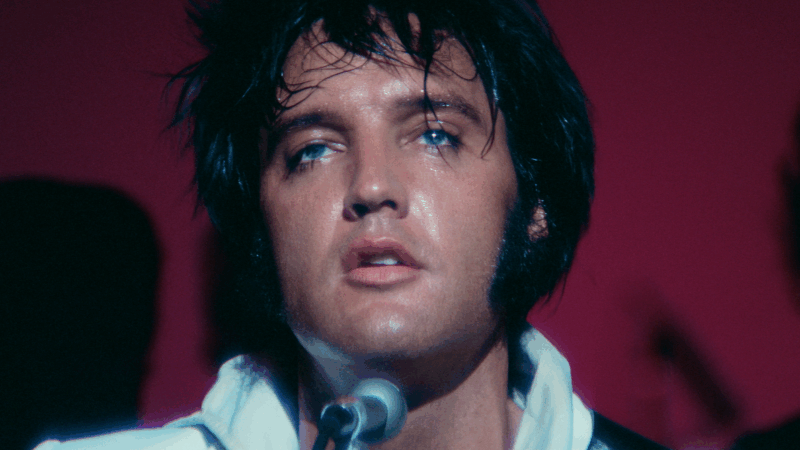
Baz Luhrmann will make you fall in love with Elvis Presley
The new movie is made up of footage originally shot in the early 1970s, which Luhrmann found in storage in a Kansas salt mine.

My doctor keeps focusing on my weight. What other health metrics matter more?
Our Real Talk with a Doc columnist explains how to push back if your doctor's obsessed with weight loss. And what other health metrics matter more instead.

Forget the State of the Union. What’s the state of your quiz score?
What's the state of your union, quiz-wise? Find out!

A team of midlife cheerleaders in Ukraine refuses to let war defeat them
Ukrainian women in their 50s and 60s say they've embraced cheerleading as a way to cope with the extreme stress and anxiety of four years of Russia's full-scale invasion.

As the U.S. celebrates its 250th birthday, many Latinos question whether they belong
Many U.S.-born Latinos feel afraid and anxious amid the political rhetoric. Still, others wouldn't miss celebrating their country
