
Mahmood Mamdani on how Uganda’s history shaped his belonging — and his son’s moment

Mahmood Mamdani is often described as the father of Zohran Mamdani, NYC’s next mayor. But long before his son’s political ambitions, Mamdani was a prominent scholar whose work examined colonialism and anti-colonialism in Africa.
That scholarship is rooted in his own experience as a Ugandan citizen of Indian origin who was twice rendered stateless due to political turmoil in East Africa during the 1970s and 80s.
“We were migrants, and under the colonial system, migrants were defined as non-Indigenous,” Mamdani said.
That meant people like him were never made to feel fully at home in Uganda and were stripped of core rights. Those experiences shaped a lifelong quest to understand, as he puts it, “who belongs, who does not, and how it has changed over time.”

Mamdani has been a professor of government in the department of anthropology at Columbia University since 1999.
His latest book, Slow Poison, focuses on the making of the Ugandan state post British colonialism and the two autocrats that largely shaped it. Mamdani argues that Idi Amin and the current president Yoweri Museveni, who has been in power since 1986, inherited and governed within an within an intractable colonial legacy handed down from the British.
Speaking to NPR’s Leila Fadel, Mamdani discussed the book and the parallels between his experiences in exile and his son’s quest to challenge ideas of power and belonging in the country’s largest city.
Listen to the full interview by clicking on the blue button above.
The radio version of this interview was produced by Milton Guevara and the digital version was edited by Majd Al-Waheidi.
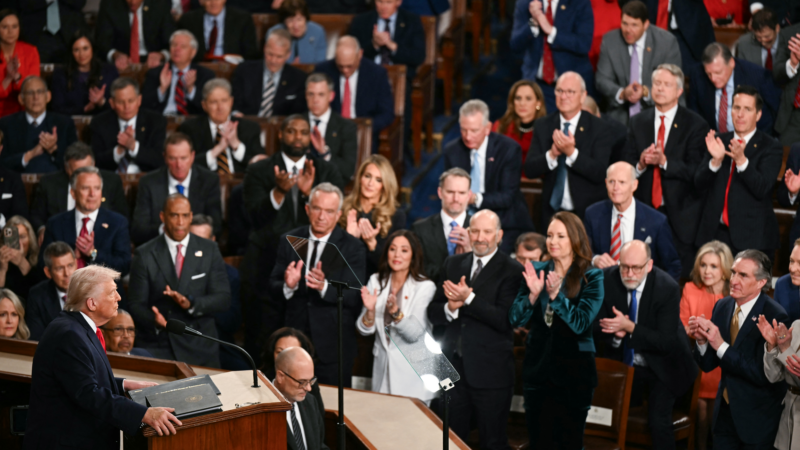
Read NPR’s annotated fact check of President Trump’s State of the Union
As President Trump delivers his State of the Union address, reporters from across NPR's newsroom will fact check his speech and offer context.
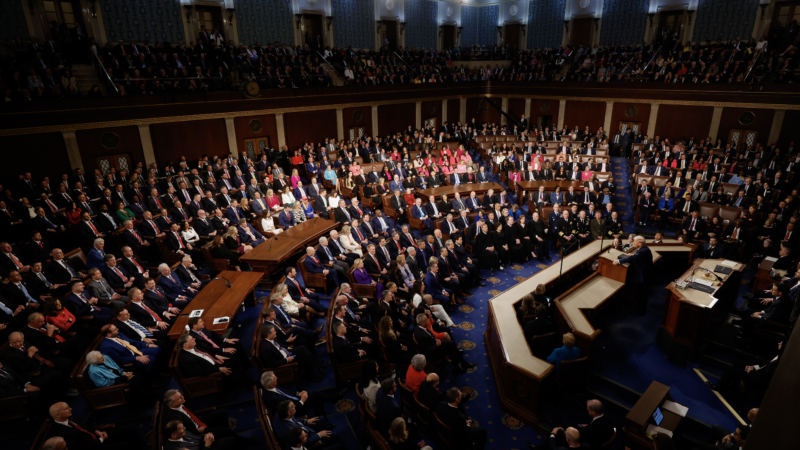
President Trump set to deliver first State of the Union address of his second term
Facing low approval ratings and ahead of midterm elections in November, President Trump delivers the first State of the Union address of his second term as president Tuesday night.
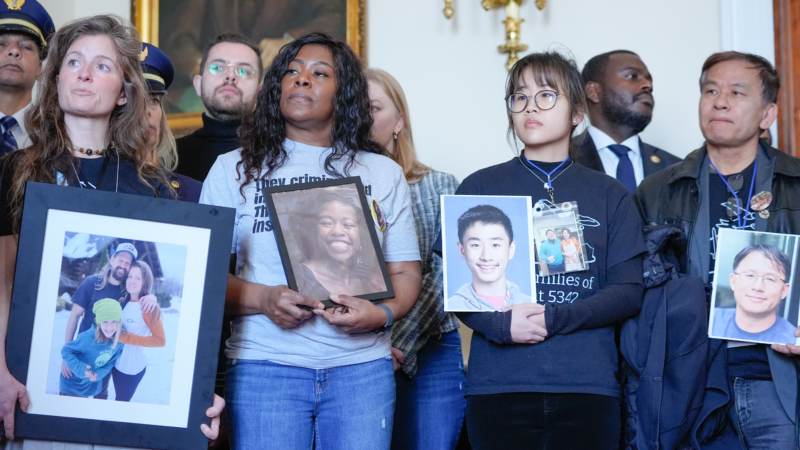
U.S. House rejects aviation safety bill after Pentagon abruptly withdraws support
The House of Representatives narrowly rejected a bipartisan aviation safety bill that was spurred by the deadly midair collision near Washington, D.C. after the Pentagon abruptly withdrew its support.

China and the US alter foreign aid strategies
China's foreign aid strategy has shifted in the last few decades and now its model may be the one the US is adopting as China moves away from it.

Flavor Flav is among women’s hockey team fans outraged by presidential snub
The rapper, who also serves as the official "hype man" for multiple U.S. Olympic teams, invited the female hockey players to Las Vegas for a "real celebration."

Flavor Flav is among women’s hockey team fans outraged by presidential snub
The rapper, who also serves as the official "hype man" for multiple U.S. Olympic teams, invited the female hockey players to Las Vegas for a "real celebration."
