
Machado to accept Nobel as fight against Venezuelan regime intensifies
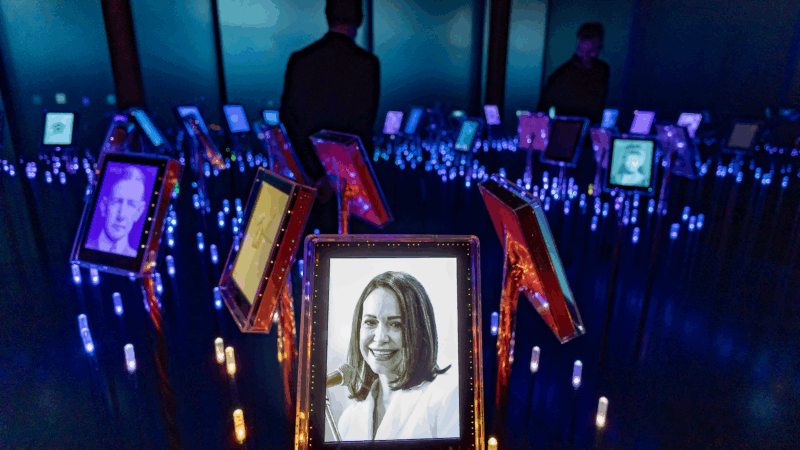
BOGOTÁ, Colombia — Venezuelan opposition leader María Corina Machado plans to accept the Nobel Peace Prize in Oslo on Wednesday. But the ceremony comes at an awkward moment because Machado appears to have given up on using peaceful means to dislodge Venezuela’s authoritarian regime.
Machado now claims that elections in Venezuela are a sham that will never lead to the ouster of President Nicolás Maduro. She has also emerged as a full-throated supporter of President Trump’s gunboat diplomacy in the Caribbean Sea, including his threats to remove Maduro by force.
“Most people interpret the Nobel Peace Prize as (going to) someone who works through peaceful means, and that doesn’t fit her very well,” says David Smilde, a Venezuela expert at Tulane University.
Yet Machado is a revered figure among throngs of Venezuelans, both inside the country and abroad, who are desperate for change after having watched Maduro crush their country’s democracy and its economy during his nearly 13 years in power.
“She is our Iron Lady,” says Ana María Ramos, a nutritionist who fled Venezuela nine years ago and now lives in Bogotá, the Colombian capital.
Machado, 58, is a right-wing politician who has spent two decades opposing Venezuela’s increasingly autocratic government. While many opposition figures have fled the country, she remained in Venezuela as the Maduro regime’s most charismatic and ferocious critic.
With polls suggesting that she would trounce Maduro in the July 2024 presidential election, his government banned her from running. But instead of giving up, she led a nationwide campaign that convinced millions of Venezuelans to vote for a substitute candidate, retired diplomat Edmundo González. According to voter tally sheets collected by the opposition, González beat Maduro by a more than 2-to-1 margin.

“We played by the democratic rules and we won the election,” said Daniel Navarro, a Venezuelan exile who helped organize a pro-Machado march ahead of Wednesday’s Nobel ceremony. “We did our best to achieve power in a peaceful way.”
However, Maduro refused to leave office and ordered a massive crackdown on the opposition that prompted González to flee to Spain. From hiding inside Venezuela, Machado has continued to give interviews, rally her supporters and denounce the Maduro regime’s human rights abuses, press censorship, and the holding of political prisoners.
In October, she became the first Venezuelan to be awarded the Nobel Peace Prize. The prize committee lauded “her struggle to achieve a just and peaceful transition from dictatorship to democracy.”
Machado called the prize “a recognition of all Venezuelans” in their struggle for freedom and democracy.
But Smilde, of Tulane University, describes Machado as “a very controversial pick.”
He said Machado has sometimes worked against negotiations aimed at peacefully removing Maduro from office. Despite her key role in last year’s presidential campaign, she has often called on voters to boycott elections which allowed pro-regime politicians to occupy nearly all government posts. In May, she enraged many opposition politicians by calling them “traitors” for taking part in Venezuela’s gubernatorial and legislative elections.
Machado supports ongoing U.S. military strikes on alleged drug smuggling boats in the Caribbean Sea even though they have killed dozens of Venezuelans. What’s more, she’s been lobbying for American troops to help take out Maduro.
When asked during an NPR interview the day after winning the Nobel if she supported using American troops to restore democracy to Venezuela, she said: “You cannot have peace without freedom, and you cannot have freedom without strength.”
But Machado’s push for U.S. military intervention is helping to solidify the Maduro regime because he stokes nationalist sentiment by raising the specter of foreign troops coming ashore on Venezuelan beaches, says Vladimir Villegas, a radio show host in Caracas.
“Venezuela has two extremes: Maduro and María Corina,” says opposition lawmaker Henrique Capriles who favors negotiations to end the crisis. “Both are in an all-or-nothing fight.”
As U.S. warships gather in the Caribbean, Machado is claiming that the end of the Maduro regime is imminent. But Smilde says relying on the U.S. could backfire for Machado if Trump decides against military action. He points out that Venezuela’s previous opposition leader, Juan Guaidó, made similar promises of regime change that never happened. Guaidó’s popularity plummeted and he now lives in exile in Miami.
“When you consistently say ‘The end is near, Maduro is weaker than ever,” but there’s no transition, eventually people think either you are lying or you’re so incompetent that you can’t make it happen,” Smilde said.
Yet Machado’s hardline approach rings true for many Venezuelans who claim that Maduro steals elections, uses military force to crush the democratic opposition, and only takes part in negotiations to buy time.
That’s why when asked about a possible U.S. invasion, Ana Karina García, a Venezuelan activist in Colombia, says: “We don’t have any other option in this moment in our country. We need to recuperate liberty in Venezuela.”
No matter what happens, Machado’s work inside Venezuela may be coming to an end. The Nobel Institute confirms she will participate in Wednesday’s ceremony, though a scheduled press conference in Oslo on Tuesday was postponed and her team has provided no details on her arrival.
If Machado leaves Venezuela, it’s uncertain whether the regime there will let her return. Her family — along with the presidents of Argentina, Ecuador, Panama and Paraguay — are already in Oslo, while Machado’s own whereabouts remain unknown.
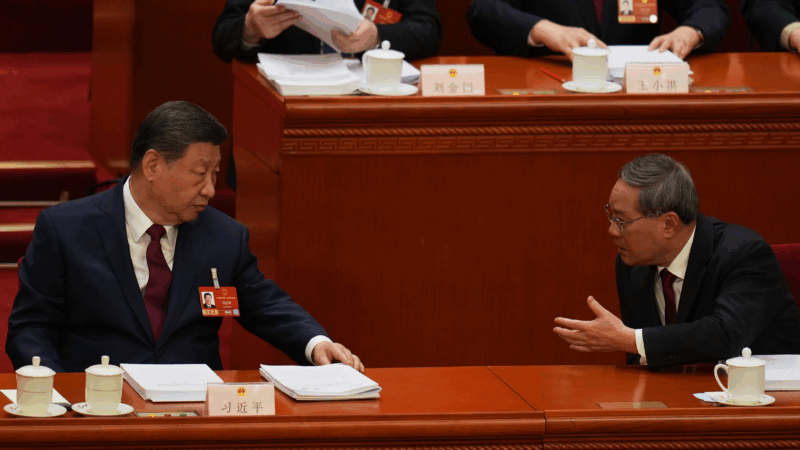
China sets a lower economic growth target of 4.5% to 5% for 2026 as challenges loom
China has signaled continuity rather than change for its economy, setting a slightly lower target for growth this year in the midst of a property slump and other headwinds at home and growing uncertainty abroad.
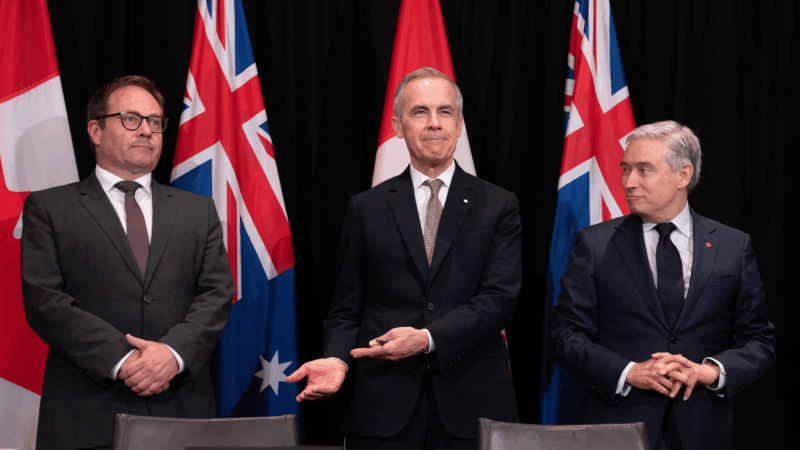
Carney says he backs strikes on Iran ‘with some regret’ as world order frays
Canadian Prime Minister Mark Carney says he supports the strikes on Iran "with some regret" as they represent an extreme example of a rupturing world order.
Iranian civilians are now fleeing the relentless bombing for neighboring Turkey
As the U.S. military broadens its strikes in Iran, traumatized Iranians are reaching the border with Turkey.
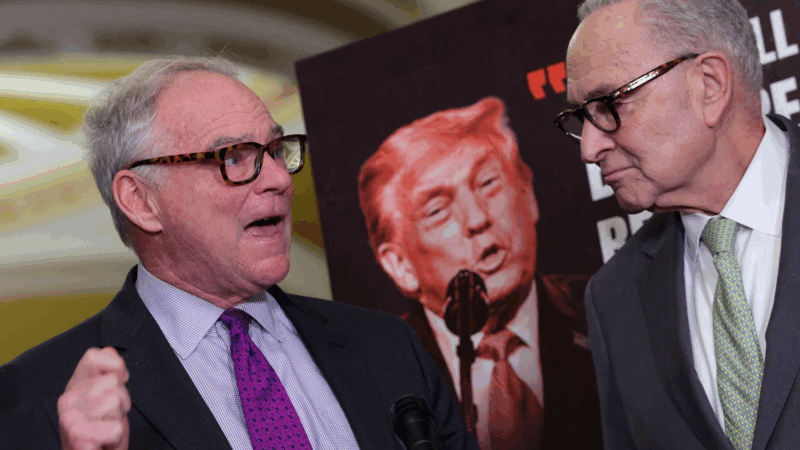
A split Senate votes against measure to constrain Trump’s authorities in Iran
Democrats in the Senate were facing an uphill climb Wednesday in their push to restrain President Trump's ability to wage war against Iran.
WATCH: How traffic dried up in the Strait of Hormuz since the Iran war began
The effective closure of the Strait of Hormuz is "about as wrong as things could go" for global oil markets. Iran achieved it not with a naval blockade, but with cheap drones.

As Mississippi waits to spend opioid settlement funds, children and families suffer
Mississippi will receive more than $400M to fight the opioid epidemic. So far, officials haven't directed it toward programs that support addiction recovery.
