
Looking forward to July 4 fireworks? Tariffs may take the spark out of your fun
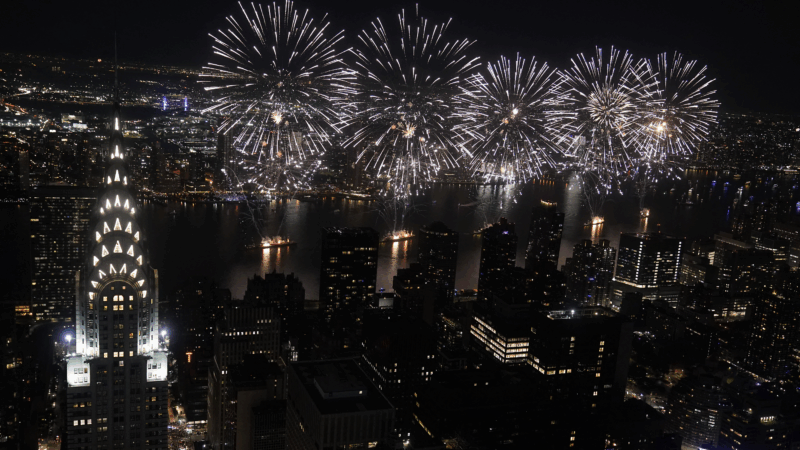
Americans will soon be celebrating the Fourth of July with cookouts, parades and, of course, fireworks. But those fireworks may be more costly and harder to come by this year, as a result of President Trump’s tariffs.
“I would anticipate that most people are going to get a little less bang for their bucks this year,” says Julie Heckman, executive director of the American Pyrotechnics Association, an industry trade group.
That’s because when it comes to the rockets, sparklers and fountains used to mark Independence Day, the U.S. is almost totally dependent on China — the country that invented fireworks more than a thousand years ago.
“China is the global supplier of fireworks,” Heckman says. “For the U.S. market, 99% of the backyard consumer fireworks are manufactured in China and 90% of the professional display fireworks are manufactured in China. So they are basically our sole source.”
How importers are having to deal with tariffs
Fireworks got a pass from the U.S.-China trade war the last time Trump was in office. But not this year. Like almost everything the U.S. buys from China, fireworks were hit with double- and even triple-digit tariffs this spring.
Some importers simply halted deliveries to avoid the import taxes.
“I think we will see some product shortages,” Heckman says. “I would encourage customers to shop early for the best variety of product.”
The American Fireworks Company in Hudson, Ohio, had already stockpiled fireworks before the tariffs took effect. But it still made for a volatile season.
“We’ve changed pricing four different times,” says John Sorgi, whose great-grandfather started the company in 1902. “At one point we were changing them pretty much every other week.”

In addition to selling fireworks, Sorgi’s company stages hundreds of professional shows each year. As soon as this Fourth of July is over, he’ll start looking ahead to 2026.
“This is go-time for us,” Sorgi says. “It’s go time for the Fourth of July, but it’s also go-time to get your orders in and get them moving for next year.”
2026 looms large for the fireworks industry
The fireworks industry has been eagerly anticipating 2026 for a decade. Not only does the Fourth fall on a Saturday next year — which typically means a jump in backyard fireworks sales — but it’s the climax of a year-long celebration of the nation’s 250th birthday.
“We believe it’s going to be a huge year,” Heckman says.
But it’s hard to plan for that big party without knowing what the tariffs will be. For now, Chinese fireworks are being taxed at 30%. But unless a trade deal is reached with China, that could rebound to April’s level of 145%.
Sorgi says that would choke off a lot of imports and turn many of next year’s Fourth of July displays into duds.
“I mean, your $50,000 show is going to look like a $30,000 show. Your $30,000 dollar show is going to look like a $15,000 to $18,000 show,” Sorgi says. “And then, when you get down to the smaller shows, which are a lot of the shows, those shows will probably just have to say, ‘We’re not doing it.'”
Given the strict safety and environmental regulations in this country, Heckman says it’s doubtful the U.S. is going to start making its own fireworks. Members of her trade group are hoping that Trump’s showmanship will outweigh his protectionist instincts, and allow for a tariff reprieve.
“We know he loves fireworks,” Heckman says. “And he’s been talking about America’s salute to the 250th from Day One. And our industry wants to be a major player in that.”

Kalshi reveals insider trading case against editor for MrBeast
With prediction markets booming, so have concerns about insider trading. Now, Kalshi has disclosed its first public actions against accounts suspected of trading on confidential information.
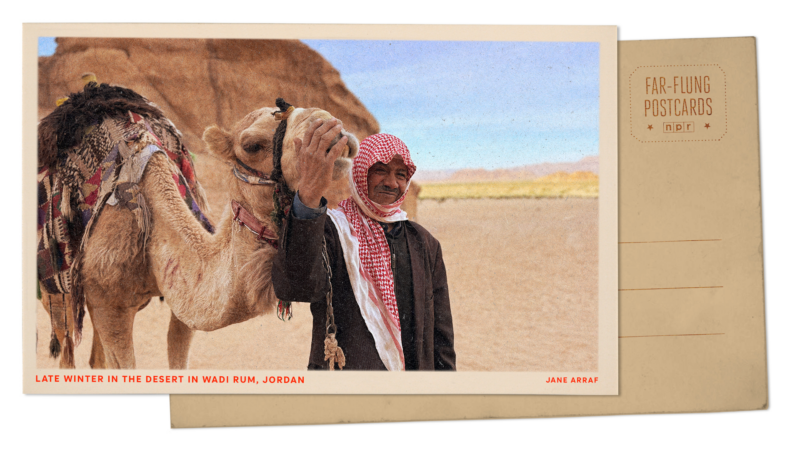
Greetings from Jordan’s Wadi Rum desert, where patches of green emerge after winter rains
Wadi Rum's otherworldly landscape is where Star Wars movies and The Martian were filmed. In late winter, plants emerge in this desert — but some are toxic to camels, so their herders must protect them.
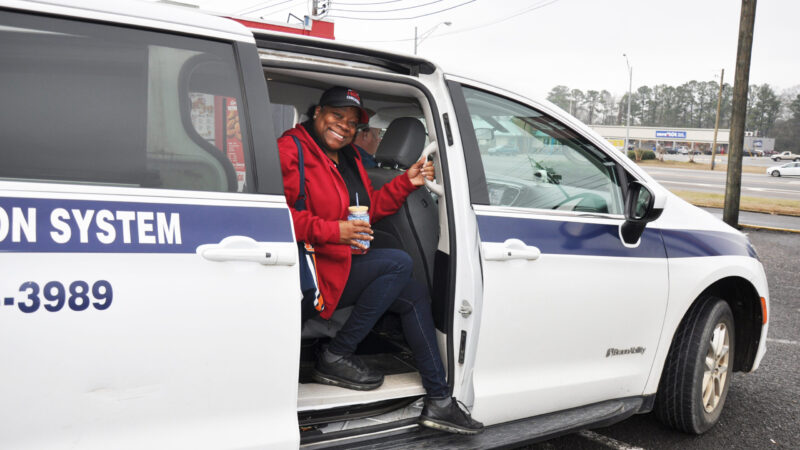
Lack of transportation keeps many Alabamians from working. Rural public transit programs are trying to help
While lack of transportation is a major employment barrier in Alabama, few people take public transit to work. That dynamic is even more pronounced in rural areas.
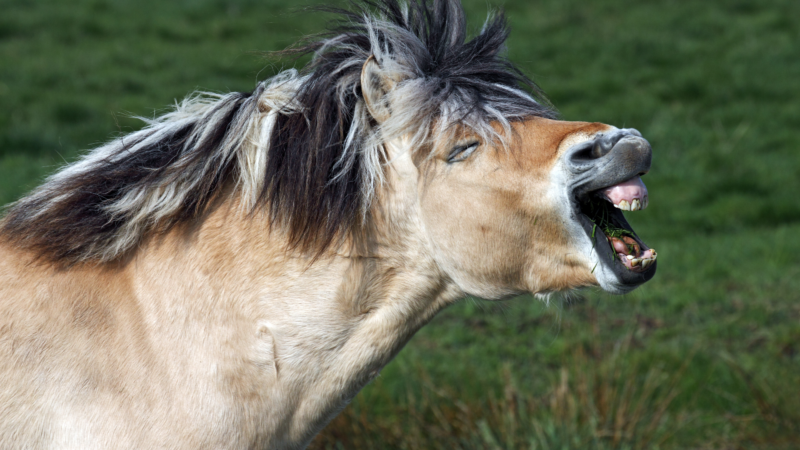
When a horse whinnies, there’s more than meets the ear
A new study finds that horse whinnies are made of both a high and a low frequency, generated by different parts of the vocal tract. The two-tone sound may help horses convey more complex information.
Trump’s many tariff tools mean consumer prices won’t go down, analysts say
The Supreme Court struck down President Trump's signature tariffs. But the president has other tariff tools, and consumers shouldn't expect cheaper prices anytime soon, economists say.
Hundreds of American nurses choose Canada over the U.S. under Trump
More than 1,000 American nurses have successfully applied for licensure in British Columbia since April, a massive increase over prior years.
