
Light from satellites will ruin majority of some space telescope images, study says
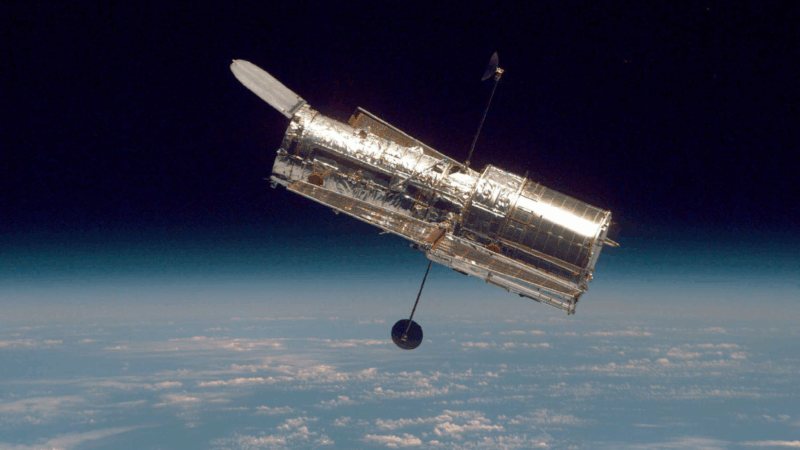
Reflections cast by a growing number of satellites orbiting the Earth could ruin more than 95% of images taken by some space telescopes in the next decade, according to a NASA-led study.
The reflected light shows up as streaks called satellite trails. It’s been seen in images taken by NASA’s Hubble Space Telescope. The situation is only getting worse as more satellites accumulate in orbit, according to researchers.
The study, published in Nature on Wednesday, predicts that other telescopes could deliver streak-filled images, including NASA’s SPHEREx, the European Space Agency’s ARRAKIHS and China’s Xuntian Space Telescope. SPHEREx launched this year while ARRAKIHS and Xuntian have yet to launch.
A prized image could come when “you are observing a galaxy and then suddenly a star far, far away explodes,” says Alejandro S. Borlaff, the lead author of the study and NASA scientist. But “if you happen to have a satellite crossing, you will lose that information forever,” he told Nature in a podcast interview.
The problem has grown in recent years: More satellites have been launched within the last four years “than in the previous 70 years of space flight combined,” Borlaff said.
More than 10,000 active satellites are in orbit as of Dec. 1, according to data from Jonathan McDowell, an astrophysicist at the Harvard-Smithsonian Center for Astrophysics. Most of them are owned by SpaceX — the company has more than 7,800 Starlink satellites in orbit.
The International Telecommunication Union (ITU), which oversees applications for proposed satellites in space, says there are “thousands more satellites” planned to be launched into orbit.
Between 2018 and 2021, when there were fewer satellites in orbit, about 4% of Hubble Space Telescope images had light streaks from satellites, according to a different study published in Nature Astronomy in 2023.
But Borlaff and others predict that number could increase, with at least one in every three images taken by the Hubble Space Telescope showing one light streak.
“That’s a staggering number. That’s really really high compared to what we see right now,” Borlaff told the Nature podcast. “In the case of SPHEREx telescope, ARRAKIHS, Xuntian, we will expect like 96% of the images will be contaminated somehow.”
The study by Borlaff and others shows that the increase of satellites could impact images taken by telescopes on the ground as well.
The science community and astronomers have long been concerned about satellite trails impacting images.
The American Astronomical Society (AAS) has warned that an increase in satellites in Earth’s lower orbit could cause collisions with space telescopes and create glares and light streaks in telescopic images.
“We will continue to facilitate collaborative work with federal agencies and the satellite industry to fully understand and minimize the impacts of large satellite constellations on astronomy,” AAS Deputy Director of Public Policy Roohi Dalal told NPR in a statement on Sunday.
NPR reached out to SpaceX for comment on Saturday but has not received a response. SpaceX previously said it was taking steps to reduce light cast off its satellites, including testing darker coating, adding visors to block sunlight and adjusting their orbit so they reflect less sunlight.
The ITU has also expressed concern about the rapid increase in satellites in space. In a recent report, the U.N. agency said it “poses significant risks to space sustainability, including collisions and debris generation, threatening the long-term viability of orbital resources.” It has called for stricter international rules surrounding the number of satellites in space and better management of satellite networks.
Deadline looms as Anthropic rejects Pentagon demands it remove AI safeguards
The Defense Department has been feuding with Anthropic over military uses of its artificial intelligence tools. At stake are hundreds of millions of dollars in contracts and access to some of the most advanced AI on the planet.

Hillary Clinton calls House Oversight questioning ‘repetitive’ in 6 hour deposition
In more than seven hours behind closed doors, former Secretary of State Hillary Clinton answered questions from the House Oversight Committee as it investigates Jeffrey Epstein.
Chicagoans pay respects to Jesse Jackson as cross-country memorial services begin
Memorial services for the Rev. Jesse Jackson Sr. to honor his long civil rights legacy begin in Chicago. Events will also take place in Washington, D.C., and South Carolina, where he was born and began his activism.
In reversal, Warner Bros. jilts Netflix for Paramount
Warner Bros. says Paramount's sweetened bid to buy the whole company is "superior" to an $83 billion deal it struck with Netflix for just its streaming services, studios, and intellectual property.
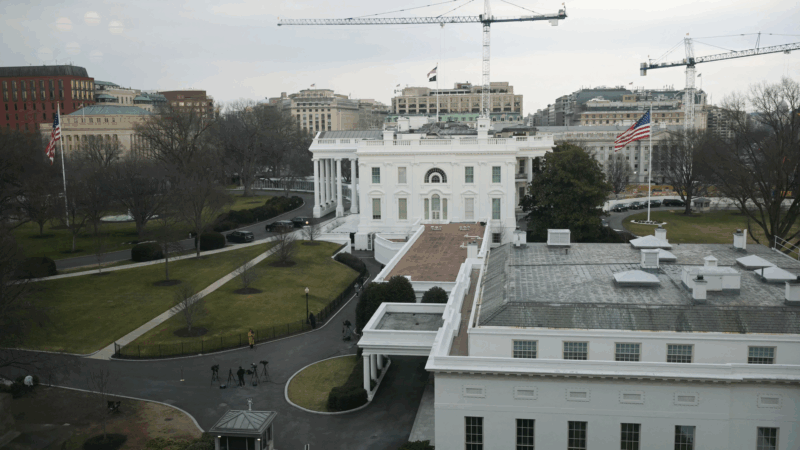
Trump’s ballroom project can continue for now, court says
A US District Judge denied a preservation group's effort to put a pause on construction
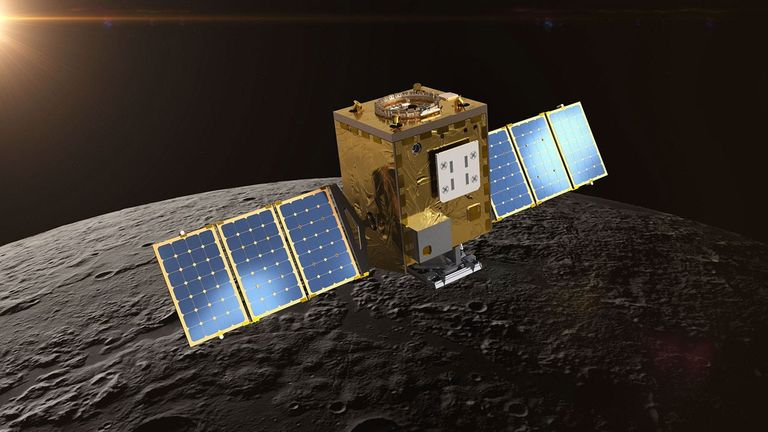
NASA lost a lunar spacecraft one day after launch. A new report details what went wrong
Why did a $72 million mission to study water on the moon fail so soon after launch? A new NASA report has the answer.
