
Legal experts condemn Apple bowing to White House’s request to remove ICE tracking app
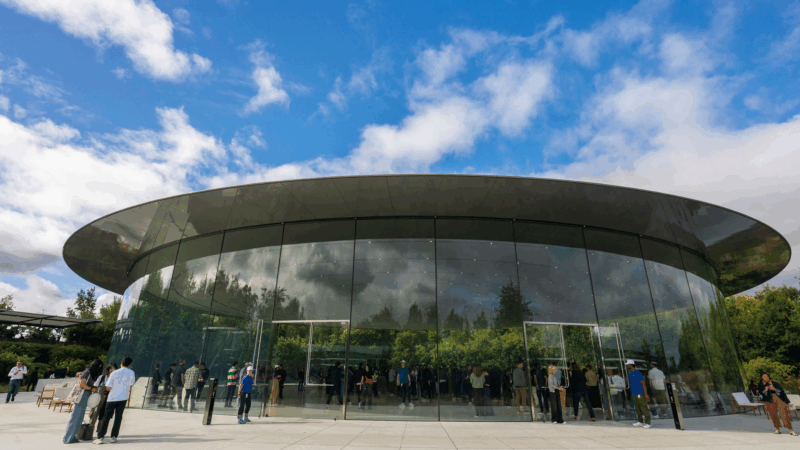
Apple and Google on Thursday removed apps that alert people when Immigration and Customs Enforcement agents are nearby following pressure from Attorney General Pam Bondi.
Critics of the tech giants capitulating to the Trump administration say it shows the sway President Trump has over Silicon Valley in his second term.
Apple said it yanked an app called ICEBlock from its app store after the “safety risks” of the app were made known to the company. The anonymous, crowd-sourced app describes itself as “Waze but for ICE sightings,” and claims to serve as an early warning system informing people when ICE agents are nearby.
The app was launched in April and garnered hundreds of thousands of downloads, but it was only after Attorney General Pam Bondi put Apple on notice, demanding the app be pulled from the App Store, that the company made it unavailable.
“We reached out to Apple today demanding they remove the ICEBlock app from their App Store — and Apple did so,” said Bondi in a statement to Fox News.
The Justice Department did not respond to NPR’s questions about its request.
Since the app never had an Android version, it was not on Google’s Play Store. Still, a company spokesperson told NPR that it, too, “removed similar apps for violations of our policies,” falling in line with Apple’s actions.
The developer of ICEBlock, Joshua Aaron, said he made the app in response to the Trump administration’s stepped up immigration enforcement. After it was booted from Apple’s app store, Aaron blamed political pressure and vowed to fight it.
He argued the app’s service was engaged in a type of protected speech not unlike some of Apple’s own apps, like the company’s mapping app which allows users to crowdsource accidents, hazards and police speed traps along roadways.
“Capitulating to an authoritarian regime is never the right move,” Aaron said in a statement.
Apple’s action has reignited the debate about what’s known as jawboning, when government officials censor speech through intimidation and threats.
Conservatives for years accused the Biden administration of this tactic over communications it had with tech companies related to accounts that were spreading COVID and election misinformation.
Jimmy Kimmel’s brief suspension by ABC following comments from Federal Communications Commission Chairman Brendan Carr was widely regarded by legal experts as illegal jawboning.
Kate Ruane, Director of the Center for Democracy and Technology’s Free Expression Project, said Apple’s move should also be viewed as the government’s heavy hand muzzling free expression.
“When companies agree to the administration’s demands in order to achieve some other goal, whether it be avoiding tariffs or getting merger approval, they send a message to others that it’s ok to do the same,”Ruane said. “What’s worse, they erode the promise of the First Amendment for all of us at the same time.”
Apple CEO Tim Cook has made strides to ingratiate himself with Trump, as the administration enacts an aggressive tariff policy that could hurt Apple’s bottom line, since much of its production happens in China, India and elsewhere overseas.
Cook in August walked into the White House and gave Trump a 24-karat gold plaque, a move that has come to symbolize Silicon Valley’s deference to the president.
Trump has given Apple and other tech companies something of a gift, too, by exempting smartphones, including Apple’s iPhones, from tariffs.
“I think many large organizations are trying to keep their metaphorical heads down and act cautiously, even when the government is acting improperly or even unconstitutionally,” said Gautam Hans, a law professor at Cornell University, who believes Apple would have a jawboning case but does not expect the company to pursue it. “Compliance will only incentivize further government demands.”
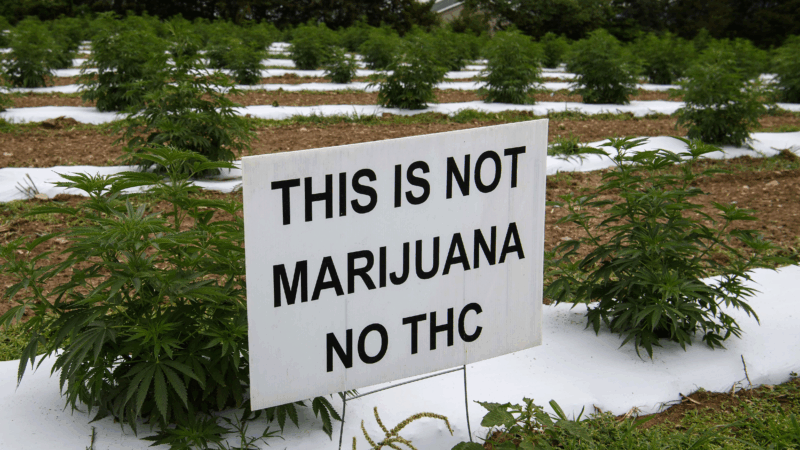
Hemp and marijuana are the same species. So why all the different laws?
Farmers in the U.S. have grown cannabis since the 1600s — but policymakers are still figuring out how to regulate two famous types of Cannabis sativa. A historian calls the plant "incredibly cryptic."

Too old to compete? This 87-year-old triathlete has tips for staying in the game
Despite issues with her heart, this octogenarian still competes in triathlons. She's proof that preventive medicine paired with smart lifestyle choices help seniors stay active longer.

From the dumpster to the aisle: This wedding dress restorer brings gowns back to life
During the coronavirus pandemic, TikTok and Instagram creator Hobby Bobbins taught herself how to restore vintage dresses. Now, she's brought dozens of old wedding dresses back to life.
Refugees relive the trauma they fled as ICE targets them in Minnesota
The Trump administration says it's reviewing thousands of cases to look for potential fraud. A judge ordered a temporary pause, saying refugees cannot be arrested "without warrants or cause."
The Education Department’s efforts to fire staff cost over $28 million, watchdog says
A new report from the U.S. Government Accountability Office calculates the cost of efforts to fire civil rights staff, and questions the department's ability to enforce federal civil rights laws.
With an ACA fix uncertain in the Senate, Republicans replay old health care fights
Things are looking bleak for a fix in Congress for ACA premiums that doubled, on average, this month. And Republicans are making arguments against the law that haven't worked in years past.
