
Jury finds Harvey Weinstein guilty in sex crimes case
Editor’s note: This story includes descriptions of allegations about sexual assault and rape.
Harvey Weinstein, the era-defining film mogul who became an emblematic villain of the #MeToo movement, was convicted of sex crimes for a second time in New York on Wednesday. Weinstein’s retrial followed a 2020 conviction in New York, which was overturned in 2024 on procedural grounds.
The jury’s verdict was split, with Weinstein guilty of one count of criminal sexual act in the first degree, not guilty of another count for the same charge, and with no verdict on one count of rape in the third degree.
At the center of the case: three instances of alleged sexual assault, which were recounted in great detail from the witness box by three different women, in testimony that was at times tense and highly emotional. Miriam “Mimi” Haley, then a young TV producer, described her 2006 assault in Weinstein’s SoHo apartment. That was the charge for which Weinstein was found guilty.
Kaja Sokola, then a 19-year-old model, said Weinstein lured her to a hotel room on the promise of showing her a film script, and instead forced her into sex, also in 2006. The jury found Weinstein not guilty of that charge.
Jessica Mann, a former aspiring actress, described being raped by Weinstein in a hotel room in 2013. The jury will reconvene Thursday to decide that charge, according to the New York Daily News.
Haley and Mann testified at Weinstein’s first trial in Manhattan, while Sokola was a new witness.
While prosecutors built their case around the dramatic testimony of the three women, the defense team tried to raise doubts about their motivations and truthfulness. Lead defense lawyer Arthur Aidala described the women as “conniving” and “sophisticated” and said they falsely accused Weinstein as a means to attain fame and money. All three women have received substantial civil settlements.
Jurors began their deliberations around 11:30 a.m. ET on Thursday, and notified the court they had reached a verdict the following Wednesday afternoon.
A single count of criminal sex act in the first degree could carry a maximum sentence of 25 years.
Weinstein was separately convicted of sex crimes in California in 2022, and he has appealed the verdict.
Weinstein, 73, appeared pale but energetic throughout the trial. He wore navy or charcoal suits, and used a wheelchair. A court officer removed his handcuffs each day before the jury entered the courtroom. After the jurors left the room to deliberate on Thursday, Weinstein addressed the judge, expressing his thanks to the court officers. “Seriously, I have been treated incredibly fairly,” he said.
Weinstein did not testify during the trial. He has, however, given recent interviews to far-right podcaster Candace Owens and to the Daily Mail‘s website, telling the latter publication that the #MeToo movement is waning. “I think there’s a real movement now to telling the truth and proving that these girls were in it for the money,” Weinstein told Mail Online.
Weinstein’s attorneys made more than a dozen applications for a mistrial throughout the proceeding, all of which were denied.
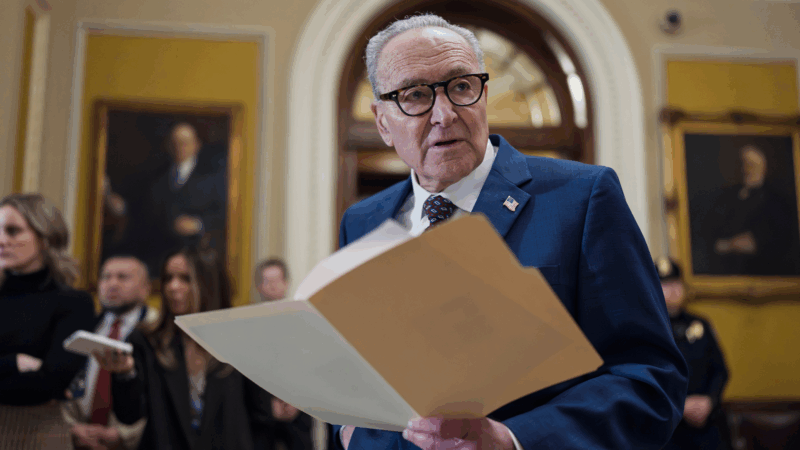
How Democrats want to reform DHS – and why some Republicans are open to their demands
A spending agreement under consideration in the Senate would temporarily fund the Department of Homeland Security while lawmakers negotiate provisions to rein in federal immigration agents.

With his first Grammy nomination, Destin Conrad embraces personal evolution
Destin Conrad went from teen social media star to a musician touring the world on some of its biggest stages. In 2025, he put out both an R&B and jazz album and earned his first Grammy nomination.

How the West was won: K-pop’s great assimilation gambit
The crossover hits stacking Grammy nods this year have little in common with the culture that birthed them — but they're winning the chart game.
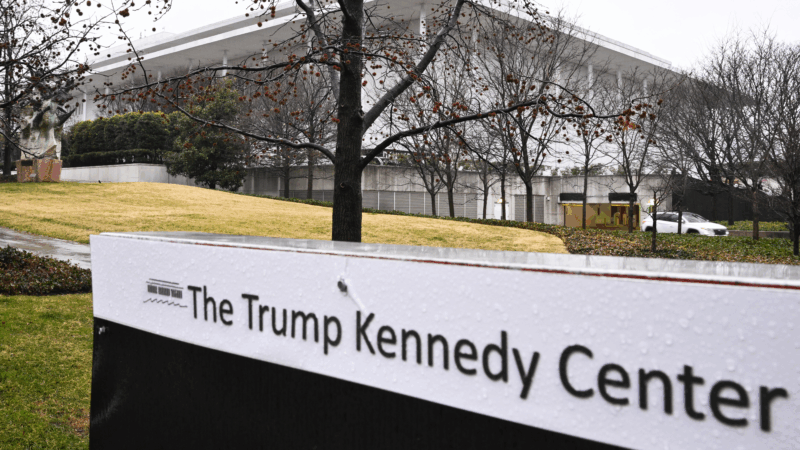
More staff shakeups at the Kennedy Center
The departures include Kevin Couch, who was announced as the Kennedy Center's senior vice president of artistic planning less than two weeks ago.

Medicare Advantage insurers face new curbs on overcharges in Trump plan
Federal officials have a plan that could curb billions of dollars in overpayments to Medicare Advantage plans. But will they follow through on it?

Border czar says he plans to “draw down” ICE and CBP operations in Minnesota
Tom Homan, who took over leadership of the surge in Minneapolis, says he is working on a plan to reduce the force of federal agents in the Twin Cities.
