
Judge blocks Trump’s National Guard deployment in LA with sharp rebuke
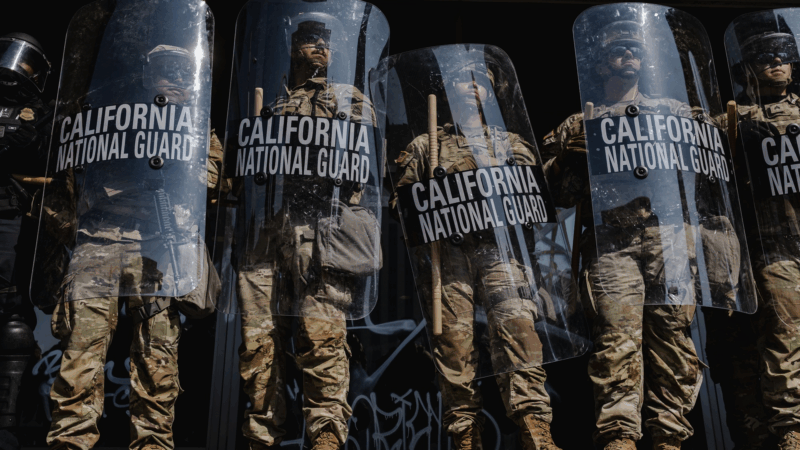
The Trump Administration must end its deployment of the National Guard to Los Angeles and return control of the troops to the state, according to a ruling by U.S. District Judge Charles Breyer in San Francisco.
Judge Breyer granted a preliminary injunction to California officials who opposed President Trump’s use of state troops since June, when the administration seized control of the guard — against Governor Gavin Newsom’s wishes — to confront protests against immigration enforcement operations in Los Angeles.
The ruling is the latest in a series of legal setbacks for the Trump administration, which has deployed National Guard troops to several Democratic-led cities across the country, claiming they are needed to crack down on crime and protect federal immigration facilities and officers.
Nearly every deployment is currently tied up in a legal battle, all the way up to the U.S. Supreme Court.
The first of such deployments was to Los Angeles this summer, after Trump seized control of the California National Guard and sent more than 4,000 troops to the city. That number has since dropped to around 100, but the administration has sought to extend the federalization of the state’s guard several times, most recently until February, saying it’s still necessary.
The administration has argued that after initially federalizing a state’s National Guard, any extension should be allowed, without review.
“That is shocking,” Judge Breyer wrote in his ruling on Wednesday, saying that adopting that interpretation of the law would “permit a president to create a perpetual police force comprised of state troops, so long as they were first federalized lawfully.”
Constitutional law scholars have also expressed concerns in recent months around Trump’s federalization of various state National Guards, saying the president is pushing the limits of executive power and normalizing the idea of troops on streets.
Breyer’s ruling went on to say that the administration’s “argument for a president to hold unchecked power to control state troops would wholly upend the federalism that is at the heart of our system of government.”
In response to NPR’s request for comment, White House spokeswoman Abigail Jackson asserted that Trump’s deployment of the National Guard to Los Angeles was within his “lawful authority.”
“We look forward to ultimate victory on the issue,” Jackson wrote.
The ruling is stayed until Monday to allow for appeal.
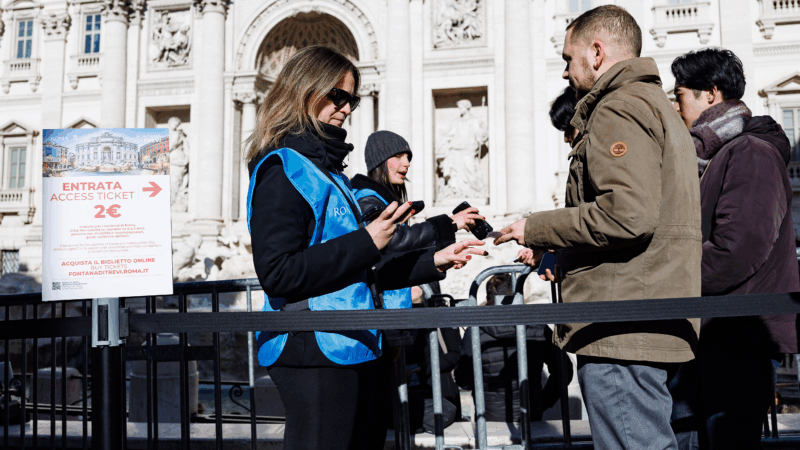
Trevi Fountain fee takes effect as Rome seeks to manage tourist crowds
Tourists hoping to get close to the Trevi Fountain had to pay 2 euros starting Monday as the city of Rome inaugurated a new fee structure to help raise money and control crowds.
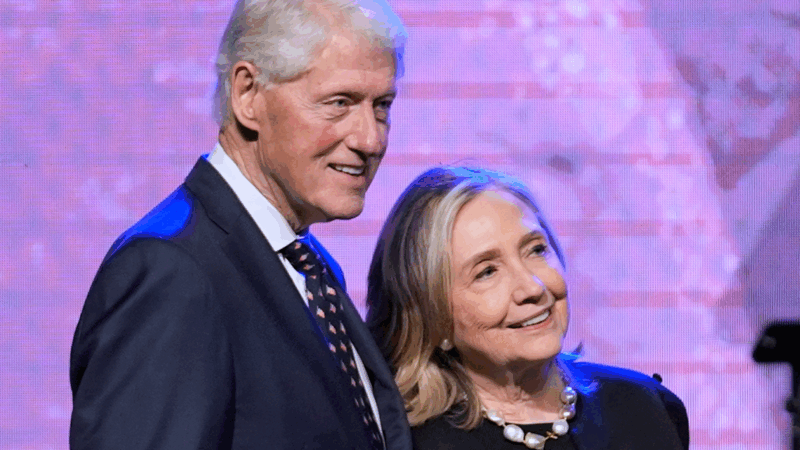
Clintons agree to testify in House Epstein investigation ahead of contempt of Congress vote
Former President Bill Clinton and former Secretary of State Hillary Clinton agreed to testify in a House investigation into convicted sex offender Jeffrey Epstein, but the Republican leading the probe said an agreement had not yet been finalized.

Appeals court overturns former UCLA gynecologist’s sex abuse conviction
It was ruled Dr. James Heaps was denied a fair trial because the judge did not share with his defense counsel a note by the court's foreman pointing out concerns that one juror lacked sufficient English to carry out their duties.
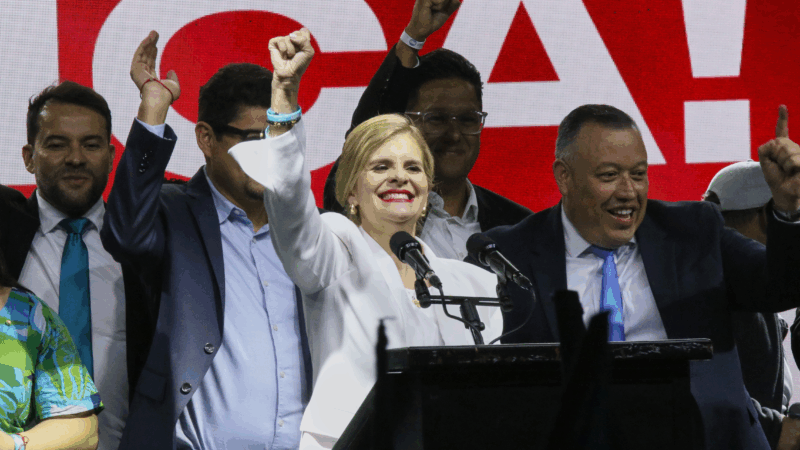
Populist conservative Laura Fernández wins Costa Rica’s presidential election
Candidate Laura Fernández won a resounding victory, promising to continue the aggressive reorienting of the Central American nation's politics started by her predecessor.
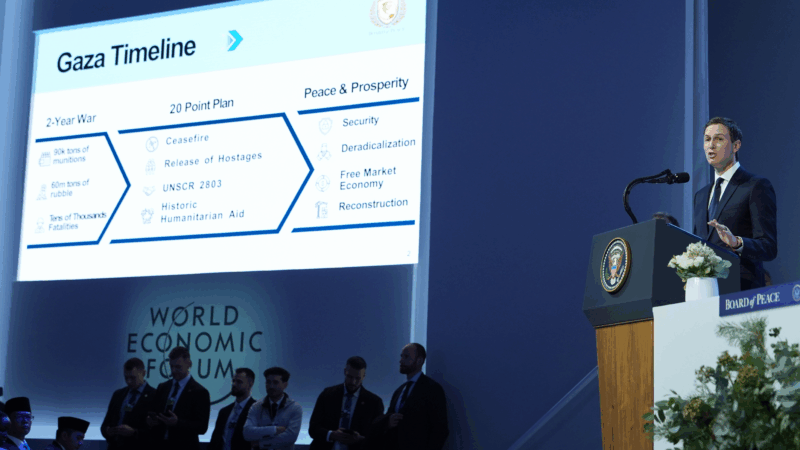
What Jared Kushner’s ‘New Gaza’ plan includes, and what it leaves out
President Trump's son-in-law Jared Kushner laid out a plan for a "New Gaza." A close look suggests it makes room for fewer Palestinians and less housing.
Trump administration sued over visa freeze on immigrants from 75 countries
A group of nonprofit organizations and U.S. citizens Monday filed a lawsuit challenging the Trump administration's sweeping suspension of immigrant visa processing for people from nearly half of the world's countries.
