
Judge blocks Trump administration’s ending of protections for Venezuelans and Haitians
SAN FRANCISCO — A federal judge on Friday blocked the Trump administration from ending temporary legal protections that have granted more than 1 million people from Haiti and Venezuela the right to live and work in the United States.
The ruling by U.S. District Judge Edward Chen of San Francisco for the plaintiffs means 600,000 Venezuelans whose temporary protections expired in April or whose protections were about to expire Sept. 10 have status to stay and work in the United States. It also keeps protections for about 500,000 Haitians.
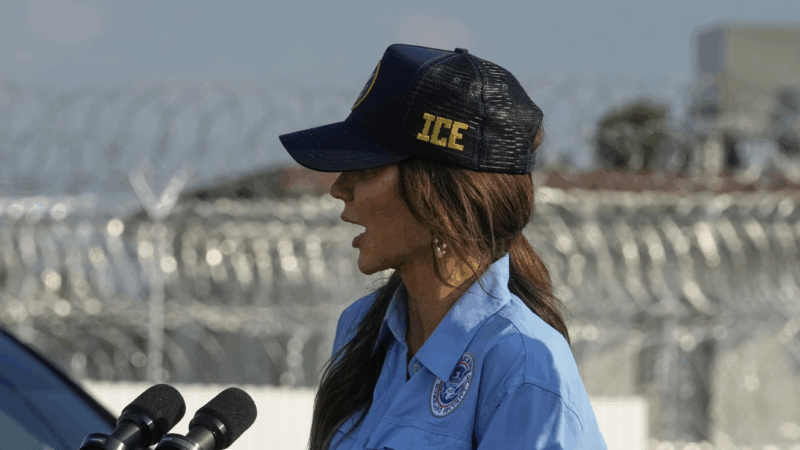
Chen scolded Homeland Security Secretary Kristi Noem for revoking protections for Venezuelans and Haitians that the judge said would send them “back to conditions that are so dangerous that even the State Department advises against travel to their home countries.”
He said Noem’s actions were arbitrary and capricious, and she exceeded her authority in ending protections that were extended by the Biden administration.
Presidential administrations have executed the law for 35 years based on the best available information and in consultation with other agencies, “a process that involves careful study and analysis. Until now,” Chen wrote.
Plaintiffs and their attorneys welcomed the news Friday, although it’s unclear if it would help people who have already been deported.
“In recent months, people have suffered unspeakable harm — including deportation and family separation — due to the Supreme Court greenlighting Secretary Noem’s discriminatory and harmful agenda,” said Emi Maclean, senior staff attorney with the ACLU Foundation of Northern California. “That must end now.”
A DHS spokesperson said in an email that the program has been “abused, exploited, and politicized as a de facto amnesty program” and that “unelected activist judges” cannot stop the American people’s desire for a secure country.
“While this order delays justice, Secretary Noem will use every legal option at the Department’s disposal to end this chaos and prioritize the safety of Americans,” the email read.
The second Trump administration’s crackdown on immigration has resulted in ramped-up arrests of people in the country illegally, but also an end to programs that offer legal yet temporary authorization to live and work in the U.S. if conditions in immigrants’ homelands are deemed unsafe.
According to court documents, the administration has terminated Temporary Protected Status, or TPS, and Humanitarian Parole designations for about 1.5 million people, prompting lawsuits across the country from immigrant advocates.
Temporary Protected Status is a designation that can be granted by the Homeland Security secretary to people in the United States, if conditions in their homelands are deemed unsafe for return due to a natural disaster, political instability or other dangerous conditions.
Millions of Venezuelans have fled political unrest, mass unemployment and hunger. The country is mired in a prolonged crisis brought on by years of hyperinflation, political corruption, economic mismanagement and an ineffectual government.
Haiti was first designated for TPS in 2010 after a catastrophic magnitude 7.0 earthquake killed and wounded hundreds of thousands of people, and left more than 1 million homeless. Haitians face widespread hunger and gang violence.
Their designations were to expire in September but later extended until February, due to a separate court order out of New York.
Noem said that conditions in both Haiti and Venezuela had improved and that it was not in the national interest to allow migrants from the countries to stay on for what is a temporary program. Attorneys for the government have said the secretary’s clear and broad authority to make determinations related to the TPS program are not subject to judicial review.
Designations are granted for terms of six, twelve or 18 months, and extensions can be granted so long as conditions remain dire. The status prevents holders from being deported and allows them to work.
The secretary’s action in revoking TPS was not only unprecedented in the manner and speed in which it was taken but also violated the law, Chen wrote.
The case has had numerous legal twists, including an appeal to the U.S. Supreme Court.
In March, Chen temporarily paused the administration’s plans to end TPS for people from Venezuela. An estimated 350,000 Venezuelans were set to lose protections the following month.
But the U.S. Supreme Court in May reversed his order while the lawsuit played out. The justices provided no rationale, which is common in emergency appeals, and did not rule on the merits of the case.
Venezuelans with expired protections were fired from jobs, separated from children, detained by officers and even deported, lawyers for TPS holders said.
A court declaration provided by plaintiffs showed the turmoil caused by the Trump administration and the Supreme Court decision.
After appearing for her annual immigration check-in, a restaurant hostess living in Indiana was deported back to Venezuela in July. Her husband, a construction company supervisor, cannot work and care for their baby daughter at the same time.
In June, a FedEx employee appeared in uniform at his required immigration check-in only to be detained, the court declaration states. He slept for about two weeks on a floor, terrified he would be sent to El Salvador’s notorious CECOT prison. His wife cannot maintain the household on her earnings.
“I am not a criminal,” he said in the declaration, adding that “immigrants like myself come to the United States to work hard and contribute, and instead our families and lives are being torn apart.”
The Supreme Court’s reversal does not apply to Friday’s ruling. The government is expected to appeal.
Last week, a three-judge appeals panel also sided with plaintiffs, saying the Republican administration did not have the authority to vacate protection extensions granted by the previous administration.

GOP Rep. Tony Gonzales of Texas ends reelection bid after admitting to affair with aide
Republican Rep. Tony Gonzales of Texas said late Thursday he was withdrawing from his reelection race, after having admitted an affair with a former staff member.
Pentagon labels AI company Anthropic a supply chain risk
The Pentagon said in a statement Thursday that it has "officially informed Anthropic leadership the company and its products are deemed a supply chain risk, effective immediately."
Justice Department publishes some missing Epstein files related to Trump
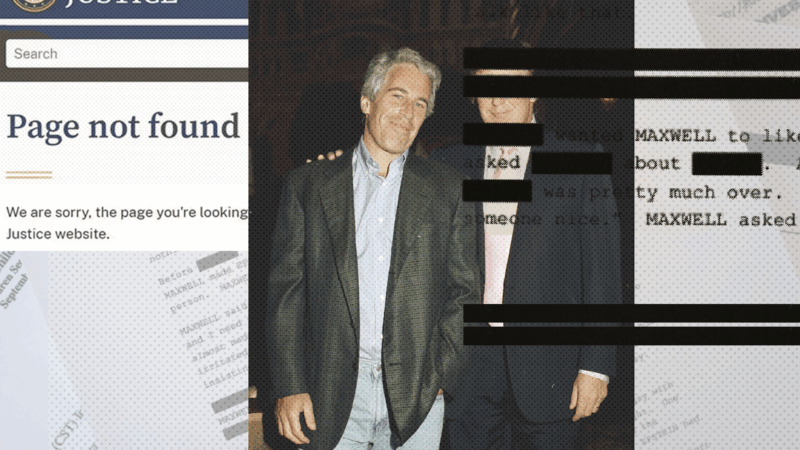
The Justice Department has published additional Epstein files related to allegations that President Trump sexually abused a minor after an NPR investigation found dozens of pages were withheld.
Pregnant women in ERs took less Tylenol after Trump autism warning
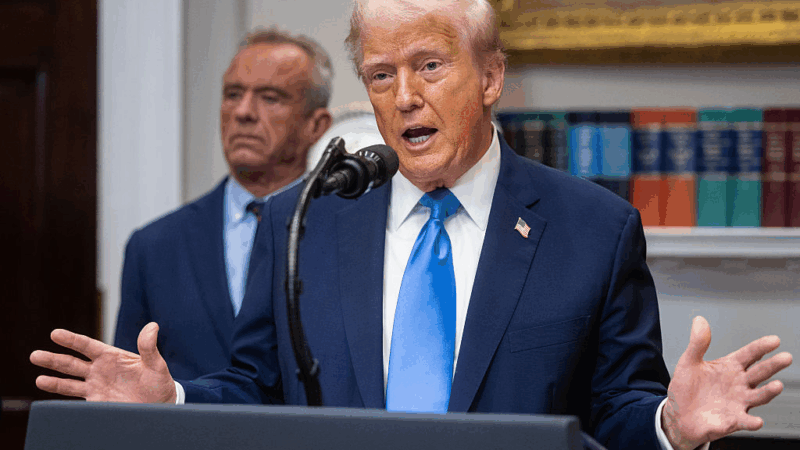
A study in The Lancet finds that pregnant women in emergency rooms used less Tylenol after President Trump said it could raise their babies' risk of autism. Scientists say there is no proven link.
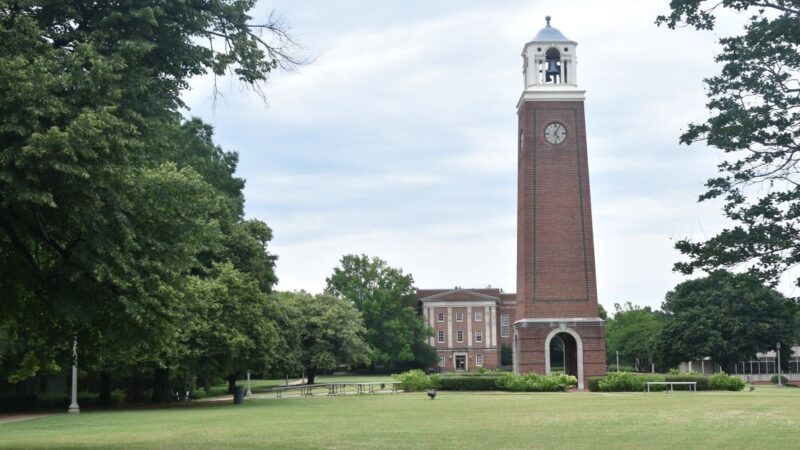
Mixed reactions, including relief, greet news the Coast Guard is buying BSC campus
The U.S. Coast Guard will take possession of the 192-acre campus in the northeast corner of Birmingham’s Bush Hills Neighborhood and will begin work to refit it as a training center for officers and enlisted personnel.
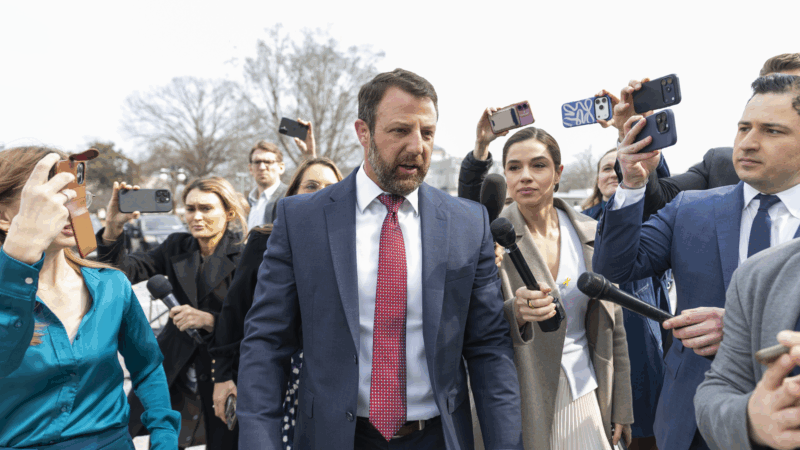
What you need to know about Sen. Markwayne Mullin, Trump’s new pick to lead DHS
President Trump announced Thursday that Sen. Markwayne Mullin, R-Okla., is his pick to replace Kristi Noem as the head of the Department of Homeland Security.
