
It’s the humidity that gets you. Here’s why — and tips for dealing with muggy days
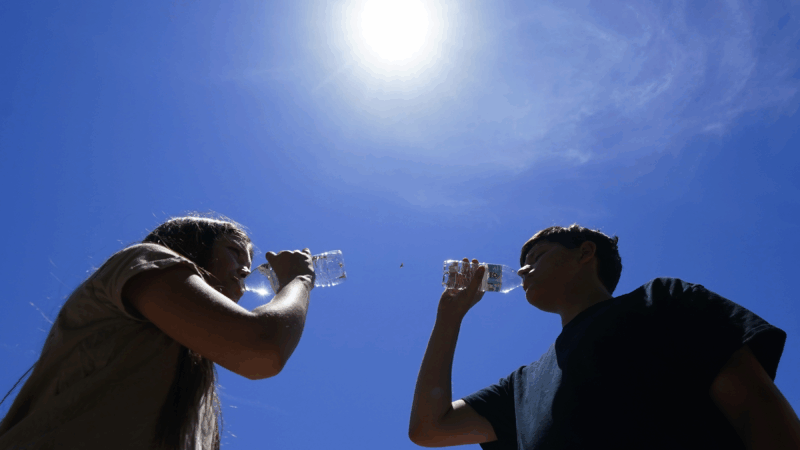
It’s not the heat that gets you — it’s the humidity.
Millions will feel that firsthand over the coming days as a heat dome is expected to bring extreme heat and humidity for much of the U.S.
Those humid conditions will make temperatures feel even hotter and pose health risks to many.
Why is that?
Sheetal Rao, internal medicine physician at the University of Illinois Health with a focus on how the environment affects health, told Morning Edition that high levels of humidity simply make it feel hotter — and challenge our body’s mechanisms to regulate temperature.
Here’s what she had to say about humidity and how to stay cool:
Why humidity poses risks during extreme heat
One of the human body’s main ways of cooling down is sweating, and that sweat evaporating off the body. When it’s humid, sometimes that isn’t enough, Rao said.
“When the air is so full of moisture, that evaporation doesn’t happen as efficiently or effectively, and so we aren’t able to cool down as well,” Rao said.
Rao said high humidity poses the strongest risk to seniors and young children, as well as pregnant women.
But it can also come down to the exertion level of outdoor activity.
“So even a regular, healthy person who is out working very hard in the heat and humidity would be vulnerable,” Rao said. “And then, of course, people who are outdoors more for their job or people who are unhoused and then certain medications as well can make people more vulnerable.”
How can you stay safe during humid days?
While some people may initially feel that sitting by a fan alleviates the worst of the heat, Rao said that might not be enough on humid days. That’s because the sweat on one’s body doesn’t have any place to evaporate off the skin because the air is already so full of water vapor.
“The fan kind of just cycles the same air around and it won’t effectively cool people when it’s very hot and humid,” Rao added.
If you don’t have air conditioning, Rao recommends getting some rest, taking regular breaks, closing blinds to cool down your home, hydrating and wearing loose-fitting clothes.
“But at some point when it gets very hot, air conditioning is likely the only intervention that’s going to help you feel cool,” Rao said. “And so there are places that people can go to get cool, like cooling centers, but also just public buildings like libraries and malls and things like that.”
The digital version of this story was adapted for the web by Obed Manuel and edited by Suzanne Nuyen.
Transcript:
MICHEL MARTIN, HOST:
More than 200 million people in the U.S. will face extreme heat and humidity in the next few days. Now, we’ve been talking a lot about the risks of extreme heat, but should we also think about how to cope with all that moisture in the air? Let’s ask Dr. Sheetal Rao. She’s an internal medicine physician at the University of Illinois Health, with a focus on how the environment affects health. Dr. Rao, thanks so much for joining us.
SHEETAL RAO: Good morning. Thank you for having me.
MARTIN: So, you know, we all know that cliche – it’s not the heat, it’s the humidity. But – OK, so it is the heat, too. But why is the humidity – you know, why is the humidity such a thing?
RAO: Well, the humidity just makes the feels-like temperature warmer. So because there’s so much moisture in the air, one of our body’s main mechanisms for cooling down is having sweat evaporate off of our skin. But when the air is so full of moisture, that evaporation doesn’t happen as efficiently or effectively, and so we aren’t able to cool down as well.
MARTIN: Are there certain people who are most vulnerable in those kinds of conditions?
RAO: Absolutely. The people that are the most vulnerable to heat, and more so when it’s humid, are the extremes of age – so the very young and our seniors – pregnant women, and then it all comes down to exertion level. So even a regular – you know, a healthy person who’s out working very hard in the heat and humidity would be vulnerable. And then, of course, people who are outdoors more for their job or people who are unhoused. And then certain medications, as well, can make people more vulnerable to the…
MARTIN: Interesting.
RAO: …Heat and humidity.
MARTIN: Oh, wow. Well, that’s definitely something people need to keep track of. So are there any kind of myths about dealing with humidity that you want to correct, or any common mistakes that you see that you would like to correct?
RAO: Yeah. I think that sometimes people feel that being near a fan might be good enough when it’s very hot and humid. And although, initially, a fan may feel that it’s cooling you, when it’s very humid outside, that sweat really doesn’t have any place to evaporate to off of our skin because the air is already full of so much humidity. So the fan kind of just cycles the same air around, and it won’t effectively cool people when it’s very hot and humid.
MARTIN: So what can you do if you – what if you don’t have air conditioning? What do you do?
RAO: Well, initially, it’s good to cool down however you can. Definitely get some rest. Close all of your blinds so it’s very cool in your home. Hydrate. Wear loose-fitting clothing, and take a lot of breaks. But at some point, when it gets very hot, air conditioning is likely the only intervention that’s going to help you feel cool. And so there are places that people can go to get cool, like, cooling centers, but also just public buildings, like libraries and malls and things like that.
MARTIN: OK, before you go – 30 seconds left – like, what’s your favorite cooling technique that you can tell us about?
RAO: We like to freeze grapes at our house. We like to have frozen fruit and foods like that and cold drinks.
MARTIN: That sounds excellent. Ice cream? Does ice cream count as a – that’s frozen. Does melted ice cream…
RAO: Yeah.
MARTIN: …Count as a cool drink? Asking for a friend.
RAO: Sure.
MARTIN: OK.
RAO: Sure.
(LAUGHTER)
RAO: Why not?
MARTIN: That’s Dr. Sheetal Rao at the University of Illinois Health. Dr. Rao, thanks so much for joining us.
RAO: Thank you for having me.

Carney says he backs strikes on Iran ‘with some regret’ as world order frays
Canadian Prime Minister Mark Carney says he supports the strikes on Iran "with some regret" as they represent an extreme example of a rupturing world order.
Iranian civilians are now fleeing the relentless bombing for neighboring Turkey
As the U.S. military broadens its strikes in Iran, traumatized Iranians are reaching the border with Turkey.

A split Senate votes against measure to constrain Trump’s authorities in Iran
Democrats in the Senate were facing an uphill climb Wednesday in their push to restrain President Trump's ability to wage war against Iran.
WATCH: How traffic dried up in the Strait of Hormuz since the Iran war began
The effective closure of the Strait of Hormuz is "about as wrong as things could go" for global oil markets. Iran achieved it not with a naval blockade, but with cheap drones.
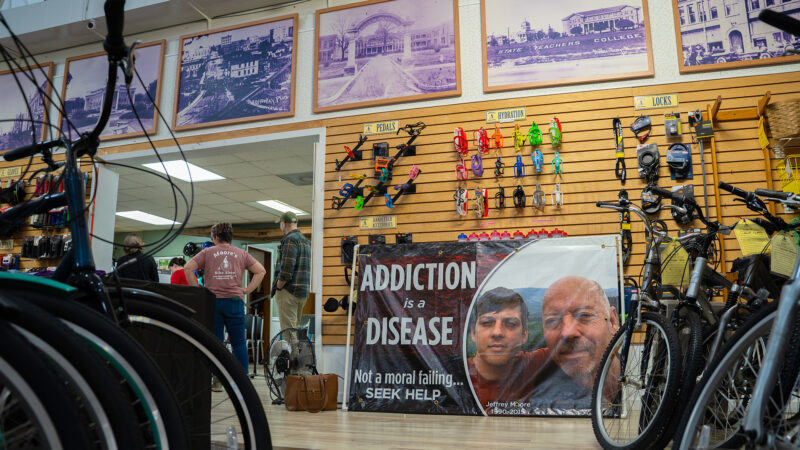
As Mississippi waits to spend opioid settlement funds, children and families suffer
Mississippi will receive more than $400M to fight the opioid epidemic. So far, officials haven't directed it toward programs that support addiction recovery.
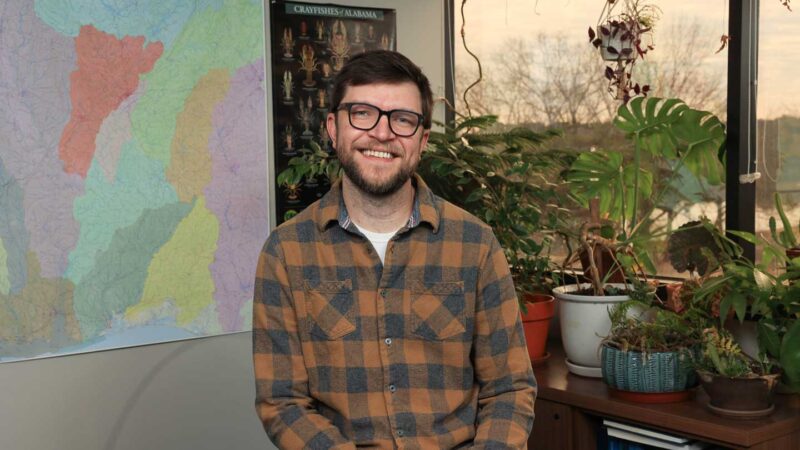
Alabama’s new state climatologist takes the reins
The controversial John Christy is retiring as Alabama’s state climatologist. Lee Ellenburg now assumes the role and is already making a few changes, including declaring that climate change is real and caused by humans.
