
Israeli strike kills journalists in Gaza City, worsening the death toll for the media
JERUSALEM — Israel’s military targeted an Al Jazeera correspondent with an airstrike Sunday, killing him, another network journalist and other people, all of whom were sheltering outside the Gaza City Hospital complex.
Officials at Shifa Hospital said those killed included Al Jazeera correspondents Anas al-Sharif and Mohamed Qureiqa. The strike also killed four other journalists and two other people, hospital administrative director Rami Mohanna told The Associated Press. The strike also damaged the entrance to the hospital complex’s emergency building.
Both Israel and hospital officials in Gaza City confirmed the deaths, which press advocates described as retribution against those documenting the war in Gaza. Israel’s military later Sunday described al-Sharif as the leader of a Hamas cell — an allegation that Al Jazeera and al-Sharif had previously dismissed as baseless.
The incident marked the first time during the war that Israel’s military has swiftly claimed responsibility after a journalist was killed in a strike.
It came less than a year after Israeli army officials first accused al-Sharif and other Al Jazeera journalists of being members of the militant groups Hamas and Islamic Jihad. In a July 24 video, Israel’s army spokesperson Avichay Adraee attacked Al Jazeera and accused al-Sharif of being part of Hamas’ military wing.
Al Jazeera called the strike “targeted assassination” and accused Israeli officials of incitement, connecting al-Sharif’s death to the allegations that both the network and correspondent had denied.
“Anas and his colleagues were among the last remaining voices from within Gaza, providing the world with unfiltered, on-the-ground coverage of the devastating realities endured by its people,” the Qatari network said in a statement.
International media have been mostly barred from entering Gaza throughout the war and Al Jazeera is among the few outlets still fielding a big team of reporters inside Gaza, chronicling daily life amid airstrikes, hunger and the rubble of destroyed neighborhoods.
The network has suffered heavy losses during the war, including 27-year-old correspondent Ismail al-Ghoul and cameraman Rami al-Rifi, killed last summer, and freelancer Hossam Shabat, killed in an Israeli airstrike in March.
Like al-Sharif, Shabat was among the six that Israel accused of being members of militant groups last October.
Hundreds of people, including many journalists, gathered Monday to mourn al-Sharif, Qureiqa and their colleagues. The bodies lay wrapped in white sheets at Gaza City’s Shifa Hospital complex. Ahed Ferwana of the Palestinian Journalists Syndicate said reporters were being deliberately targeted and urged the international community to act.
Al-Sharif reported a nearby bombardment minutes before his death. In a social media post that Al Jazeera said was written to be posted in case of his death, he bemoaned the devastation and destruction that war had wrought and bid farewell to his wife, son and daughter.
“I never hesitated for a single day to convey the truth as it is, without distortion or falsification,” the 28-year-old wrote.
The journalists are the latest to be killed in what observers have called the deadliest conflict for journalists in modern times. The Committee to Protect Journalists said on Sunday that at least 186 have been killed in Gaza and Brown University’s Watson Institute in April said the war was “quite simply, the worst ever conflict for reporters.”
Al-Sharif began reporting for Al Jazeera a few days after war broke out. He was known for reporting on Israel’s bombardment in northern Gaza, and later for the starvation gripping much of the territory’s population. Qureiqa, a 33-year-old Gaza City native, is survived by two children.
Both journalists were separated from their families for months earlier in the war. When they managed to reunite during the ceasefire earlier this year, their children appeared unable to recognize them, according to video footage they posted at the time.
In a July broadcast al-Sharif cried on air as woman behind him collapsed from hunger.
“I am taking about slow death of those people,” he said at the time.
Al Jazeera is blocked in Israel and soldiers raided its offices in the occupied West Bank last year, ordering them closed.
Al-Sharif’s death comes weeks after a U.N. expert and the New York-based Committee to Protect Journalists said Israel had targeted him with a smear campaign.
Irene Khan, the U.N. Special Rapporteur on freedom of expression, on July 31 said that the killings were “part of a deliberate strategy of Israel to suppress the truth, obstruct the documentation of international crimes and bury any possibility of future accountability.”
The Committee to Protect Journalists said on Sunday that it was appalled by the strike.
“Israel’s pattern of labeling journalists as militants without providing credible evidence raises serious questions about its intent and respect for press freedom,” Sara Qudah, the group’s regional director, said in a statement.
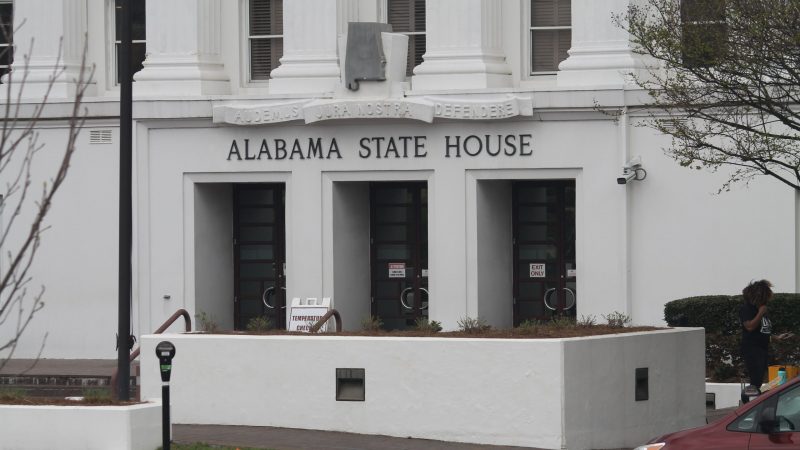
Bill making the Public Service Commission an appointed board is dead for the session
Usually when discussing legislative action, the focus is on what's moving forward. But plenty of bills in a legislature stall or even die. Leaders in the Alabama legislature say a bill involving the Public Service Commission is dead for the session. We get details on that from Todd Stacy, host of Capitol Journal on Alabama Public Television.

Baz Luhrmann will make you fall in love with Elvis Presley
The new movie is made up of footage originally shot in the early 1970s, which Luhrmann found in storage in a Kansas salt mine.
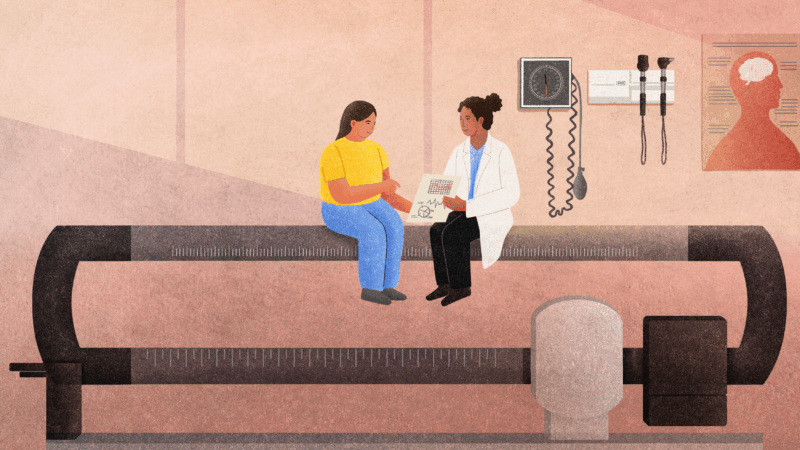
My doctor keeps focusing on my weight. What other health metrics matter more?
Our Real Talk with a Doc columnist explains how to push back if your doctor's obsessed with weight loss. And what other health metrics matter more instead.
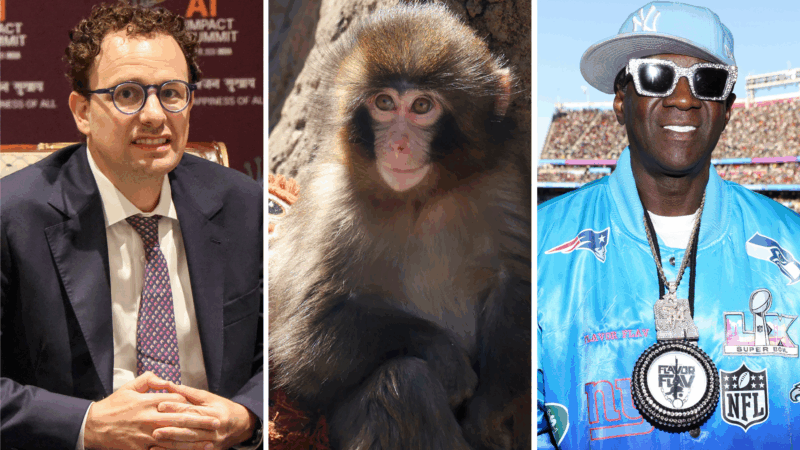
Forget the State of the Union. What’s the state of your quiz score?
What's the state of your union, quiz-wise? Find out!

As the U.S. celebrates its 250th birthday, many Latinos question whether they belong
Many U.S.-born Latinos feel afraid and anxious amid the political rhetoric. Still, others wouldn't miss celebrating their country

A team of midlife cheerleaders in Ukraine refuses to let war defeat them
Ukrainian women in their 50s and 60s say they've embraced cheerleading as a way to cope with the extreme stress and anxiety of four years of Russia's full-scale invasion.
