
Is all this talk of recession indicators a sign a recession is coming?

For months, people have been talking about indicators of the dreaded R-word: recession. There have been the usual suspects: economists, investors, businesspeople and journalists. But maybe the most vocal group — and definitely the most funny: TikTokers.
In a recent episode, “How economists (and TikTok) know if a recession is coming,” Planet Money spends a little time diving into the viral recession-indicator trend on TikTok.
For example, take the theory from TikTok user Bryce Gruber, which centers on whether bars start skimping on their snacks. “Recession? I can tell you if there’s going to be a recession,” she says. “If you go to the bar and there are, like, little dishes of wasabi peas out, recession! You’re f***ed.”
It’s not just TikTok. Over at X (formerly Twitter), for example, the recession-indicator meme has taken the site by storm. “Saw a 10-pack of ramen noodles on Facebook marketplace. recession indicator,” posted Rob DenBleyker. “I bought it. another recession indicator.”
The popularity of recession indicators on social media is just the latest manifestation of a very old phenomenon. For generations, people have looked for small, informal signs that a recession is coming or already here. Here is a sample:
Women’s skirt lengths

There’s an old theory — known as the “Hemline Index” — that the lengths of women’s skirts tend to correlate with economic conditions. This theory was developed by an economist, George Taylor, during the Roaring 1920s (when skirt lengths tended to be short). “The theory suggests that when the economy does well, hemlines creep up to match the feel-good vibe of the period, only to fall back down with recessions, reflecting the somber mood of empty bank accounts,” writes Marlen Komar in InStyle magazine.
Men’s underwear

Alan Greenspan, the former chairman of the U.S. Federal Reserve, once hypothesized that a drop in men’s underwear sales is a sign of a recession. As former NPR correspondent Robert Krulwich reported back in 2008, Greenspan once told him that “if you think about all the garments in the household, the garment that is most private is the male underpants because nobody sees it except people like in the locker room and who cares.” So, basically, underwear is a purchase that men can put off when hard times hit. If you see a drop in underwear sales, be wary.
Cardboard boxes

Another recession indicator: sales of cardboard boxes. The basic idea is that companies ship and sell products in boxes. If box sales drop, it could mean the economy is tanking. “During the 2008 recession, for example, cardboard-box manufacturers’ operating revenues fell by more than 50%,” wrote Michael Sincere over at Marketplace.
Parking lots

Parking lots at malls and stores could also serve as a recession indicator. If you see a bunch of empty parking lots, it could be a sign that consumers are cutting back spending and the economy is in a rough patch.
Frozen pizza

More recently, people have noticed that sales of frozen pizza tend to jump during recessions. “It’s not just about cost — it’s convenience, long shelf life, and the sense of familiarity that make frozen pizza a go-to choice when economic anxiety rises,” writes Micheline Maynard over at Food & Wine magazine.
Recession-indicator mania: A reason to worry?
It’s possible all the recent talk of recession indicators is an indicator a recession is coming.
After all, as the legendary economist John Maynard Keynes theorized, people’s feelings or emotions about the state of the economy — their “animal spirits” — are an important factor behind the booms and busts of the economy. Those animal spirits influence spending and investing decisions, so if the mood gets bad, that could cause a recession. In other words, fear the vibe shift (read this old Planet Money newsletter about economic theories of why recessions are even a thing).
Since World War II, recessions have tended to happen about every six years, on average. The last one, during the COVID-19 pandemic, happened about five years ago …
Of course, we doubt whether any serious economist or forecaster is closely watching pizza sales or skirt lengths to make recession calls.
What they do really look at is at the heart of our recent Planet Money episode. And, actually, some of the most watched recession indicators seem to be indicating that we’re OK, at least for the time being. (Listen to the episode for more!)
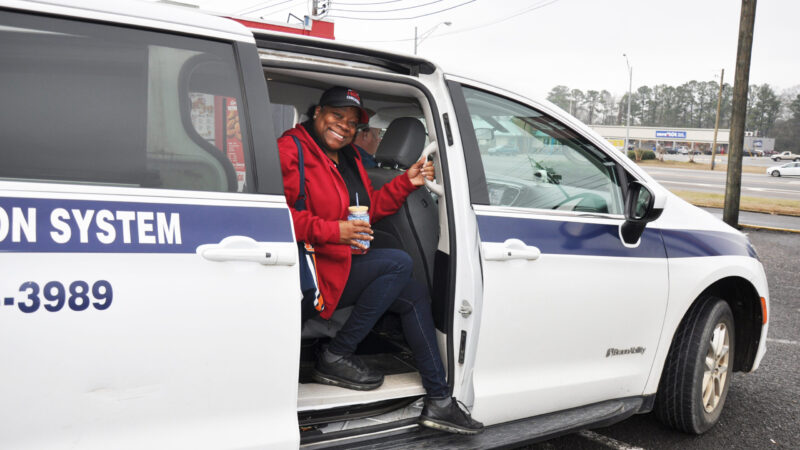
Lack of transportation keeps many Alabamians from working. Rural public transit programs are trying to help
While lack of transportation is a major employment barrier in Alabama, few people take public transit to work. That dynamic is even more pronounced in rural areas.
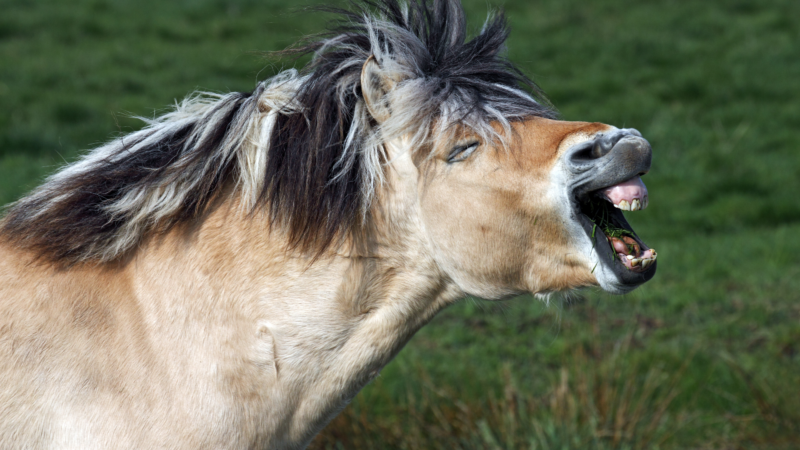
When a horse whinnies, there’s more than meets the ear
A new study finds that horse whinnies are made of both a high and a low frequency, generated by different parts of the vocal tract. The two-tone sound may help horses convey more complex information.
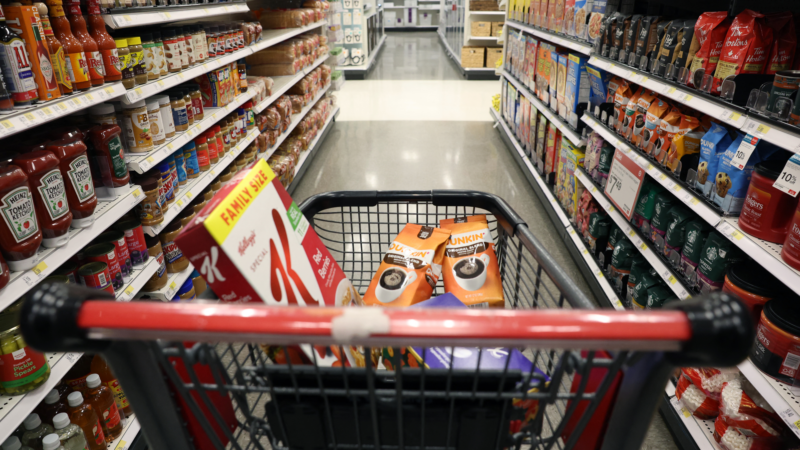
Trump’s many tariff tools mean consumer prices won’t go down, analysts say
The Supreme Court struck down President Trump's signature tariffs. But the president has other tariff tools, and consumers shouldn't expect cheaper prices anytime soon, economists say.
Hundreds of American nurses choose Canada over the U.S. under Trump
More than 1,000 American nurses have successfully applied for licensure in British Columbia since April, a massive increase over prior years.
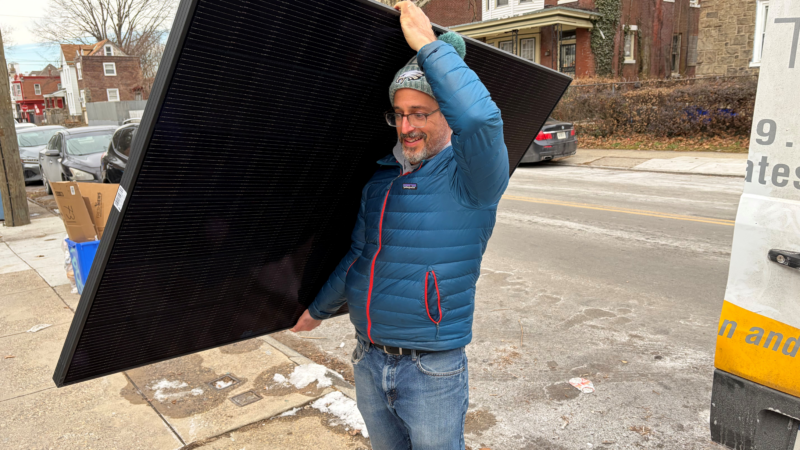
Tax credits for solar panels are available, but the catch is you can’t own them
Rooftop solar installers are steering customers toward leases instead of purchases. Federal tax credits for purchased systems have ended but are still available for leased ones.
5 takeaways from Trump’s State of the Union address
President Trump hit familiar notes on immigration and culture in his speech Tuesday night, but he largely underplayed the economic problems that voters say they are most concerned about.
