
Insect populations drop even without direct human interference, a new study finds
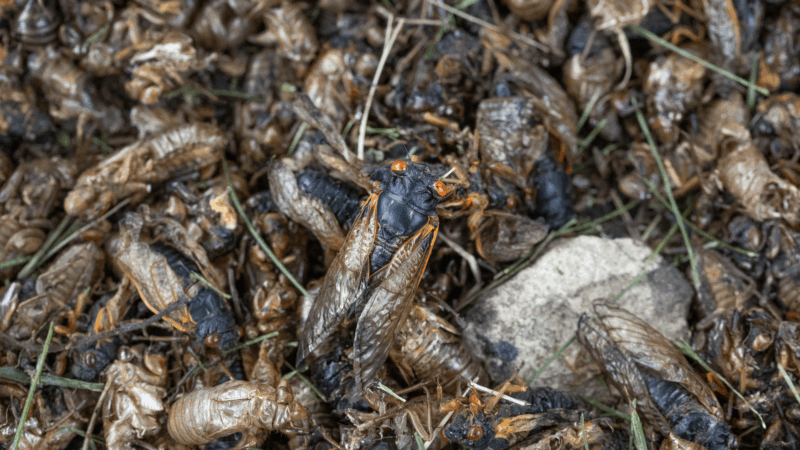
Even in areas relatively undisturbed by human activity, insect populations are on the decline, with climate change as a likely culprit. That’s the finding of new research from the University of North Carolina at Chapel Hill.
The study, published in the journal Ecology, calculated the density of flying insects during 15 summers, between 2004–2024, in a remote meadow in the Colorado mountains.
The bugs collected included common flies — and a wide range of other, mostly winged species.
The insect populations were found to have declined by an average 6.6% annually — a 72.4% drop over the 20-year period.
“There’s been many reports in recent years of insect declines worldwide, but mostly in North America and Europe, and for the most part, those reports reference locations that are usually pretty impacted by humans in one way or another,” said study author Keith Sockman, an associate professor of biology at UNC.
A 2019 analysis found that more over 40% of insect species are threatened with extinction. It cited habitat loss to agriculture activities, the use of pesticides, as well as climate change as factors in the insects’ decline.
Sockman said his paper shows “a significant decline in these insects in an area that is not very much impacted at all. It’s quite remote, quite pristine, and yet still showing this substantial decline in insects.”
The research showed a lag time between temperatures during summer months and their impact a year later, leading him to believe that warming summers were the strongest factor in insect numbers dropping.
“There’s very little human development in the immediate vicinity or within several kilometers — and that which is several kilometers away is very minimal. So it doesn’t seem likely that there’s any direct impact on land or water use changes caused by humans that could account for this [population decline],” Sockman said.
“That doesn’t leave a lot of other options other than changing climate to explain this,” he said.
Sockman said that near the site where he was conducting his research, there was a National Oceanic and Atmospheric Administration weather station that had been collecting data for the past 40 years, giving him a history to check his own findings.
University of Kentucky entomologist Jonathan Larson — who was not involved in the study — was familiar with Sockman’s research and other research that pointed to similar population declines in insect populations. He agreed with Sockman’s conclusion that climate change was likely a factor in the case of the disappearing bugs.
“Usually we’re focused mainly on habitat, destruction, and habitat loss … But in this case we’re talking about somewhere that’s isolated from humans,” Larson said.
“This makes me think of humans as like a really bad smell,” he said. “It doesn’t matter if the source is elsewhere, we kind of permeate everything.”
While there might be people who view insects as a nuisance and would cheer about their demise, Larson said insect populations affect every level of biology.
“It matters because I would argue the insects are some of the foundational organisms to our planet,” Larson said.
Larson said Sockman’s and others’ findings about insect declines should raise alarm bells about a potential for insect populations to fall so much that it affects the global food chain — from small creatures that feed on bugs, like birds and frogs, to the bigger animals — and humans — that eat the things that eat the bugs.
“It is something that I hope people will take seriously — that they won’t just say ‘Ah, that guy is a bug hugger, who cares what he has to say?’ ” Larson said.
“It is a part of our planet,” he said. “They play a large role in the success of not only us, but every other living thing on Earth.”

Pregnant migrant girls are being sent to a Texas shelter flagged as medically risky
Government officials and advocates for the children worry the goal is to concentrate them in Texas, where abortion is banned.

The 2026 World Cup faces big challenges with only 100 days to go
Will Iran compete? Will violence in Mexico flare up? And what about funding for host cities in the U.S.? With only 100 days left before it beings, the 2026 World Cup in North America is facing a lot of uncertainty.

A glimpse of Iran, through the eyes of its artists and journalists
Understanding one of the world's oldest civilizations can't be achieved through a single film or book. But recent works of literature, journalism, music and film by Iranians are a powerful starting point.

Mitski comes undone
She may be indie rock's queen of precisely rendered emotion, but on Mitski's latest album, Nothing's About to Happen to Me, warped perspectives, questionable motives and possible hauntings abound.

This quiet epic is the top-grossing Japanese live action film of all time
The Oscar-nominated Kokuho tells a compelling story about friendship, the weight of history and the torturous road to becoming a star in Japan's Kabuki theater.

The Live Nation trial could reshape the music industry. Here’s what you need to know
On Tuesday opening statements will begin for the federal antitrust trial against Live Nation, one of the largest entertainment companies in the world.
