
Inflation cools slightly in November as worries about affordability grip Americans

The cost of living continued to climb in November — though a little less than two months ago — as seven in ten Americans say they’re barely able to pay their bills.
Consumer prices in November were up 2.7% from a year ago, according to a report Thursday from the Labor Department. That’s a smaller annual increase than for the 12 months ending in September, when inflation was clocked at 3%.
Prices rose 0.2% between September and November.
The Labor Department did not provide an October comparison because the government shutdown kept workers from conducting their usual price checks that month.
Omair Sharif of Inflation Insights suggests the absence of rental data for October may have skewed the November inflation figure lower.
Loading…
Americans worry about affordability
The data comes as growing concerns about affordability remain a drag on the President Trump’s approval rating. A new NPR/PBS News/Marist poll finds just 36% of Americans approve of Trump’s economic stewardship. That’s the president’s lowest rating on the economy in six years of polling, matching former President Biden’s low score in 2022.
High prices are outweighing other economic concerns, with 71% of those surveyed saying their income just matches or falls short of their monthly expenses.
The latest inflation data showed that the rising cost of rent and electricity over the last year was only partially offset by falling prices for some food items, such as eggs.
On average, workers’ wages are still climbing faster than prices. But wage gains have slowed in recent months. With a softening job market, workers no longer have the bargaining power to demand much higher pay.
“If you do that right now, they’re going to show you the door,” Federal Reserve Governor Chris Waller said Wednesday, at Yale University’s CEO Summit.
Wealthy families aren’t much troubled by rising prices, and continue to spend freely, Waller said. But low- and middle-income families face a genuine “affordability problem.”
“Either the wages have to start going back up,” Waller said. “Or we have to think about trying to get inflation to come down, so prices at least stop going up.”
Diverging views on the outlook for inflation
Waller, who’s a candidate to be the next leader of the Fed once chairman Jerome Powell’s term expires in May, said he’s confident that inflation will moderate next year. But not all Fed policymakers are so sanguine.
Inflation has been running above the central bank’s 2% target for more than four years.
Raphael Bostic, the outgoing president of the Atlanta Federal Reserve Bank, warns the longer that inflation remains elevated, the greater the risk that people start to expect rapid price hikes to continue.
“I get paid to worry,” Bostic told the Gwinnett County Chamber of Commerce Wednesday. “I don’t want anyone to think I’m cavalier about our credibility” when it comes to fighting inflation.
Last week, the Fed voted to lower its benchmark interest rate for the third time since September, in hopes of propping up the job market. But members of the rate-setting committee signaled they’ll be cautious about additional rate cuts.
In the NPR/PBS News/Marist poll, 45% of respondents said high prices are their biggest economic worry, while only 10% said they’re most concerned about job security.

When a horse whinnies, there’s more than meets the ear
A new study finds that horse whinnies are made of both a high and a low frequency, generated by different parts of the vocal tract. The two-tone sound may help horses convey more complex information.
Hundreds of American nurses choose Canada over the U.S. under Trump
More than 1,000 American nurses have successfully applied for licensure in British Columbia since April, a massive increase over prior years.

Trump’s many tariff tools mean consumer prices won’t go down, analysts say
The Supreme Court struck down President Trump's signature tariffs. But the president has other tariff tools, and consumers shouldn't expect cheaper prices anytime soon, economists say.
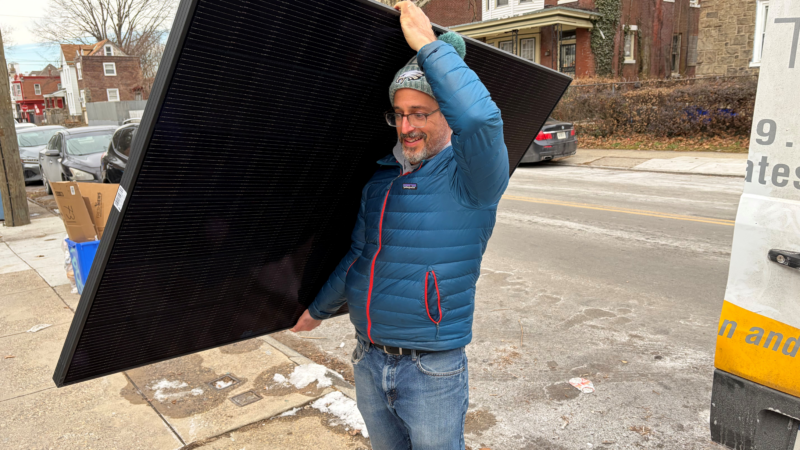
Tax credits for solar panels are available, but the catch is you can’t own them
Rooftop solar installers are steering customers toward leases instead of purchases. Federal tax credits for purchased systems have ended but are still available for leased ones.
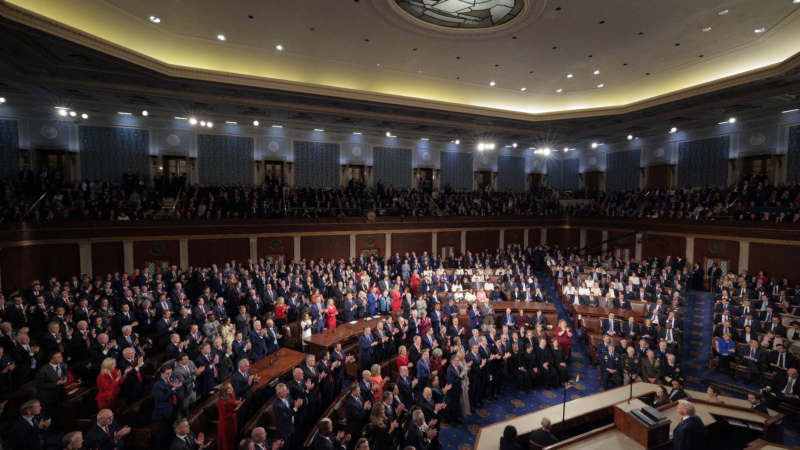
5 takeaways from Trump’s State of the Union address
President Trump hit familiar notes on immigration and culture in his speech Tuesday night, but he largely underplayed the economic problems that voters say they are most concerned about.

China restricts exports to 40 Japanese entities with ties to military
China on Tuesday restricted exports to 40 Japanese entities it says are contributing to Japan's "remilitarization," in the latest escalation of tensions with Tokyo.
