
In this Icelandic drama, a couple quietly drifts apart
The Love That Remains opens with a simple shot of a construction crane prying the roof off of an empty building by the sea. Anna (Saga Garðarsdóttir), watches from her car as developers tear apart her art studio, her dog by her side. The shot lingers as the roof slowly tilts and drifts out of the frame while the film’s title cards roll. Without fuss, Icelandic director Hlynur Pálmason establishes the film’s central premise — the quiet dismantling of a home and the heightened exposure to natural forces that follows.
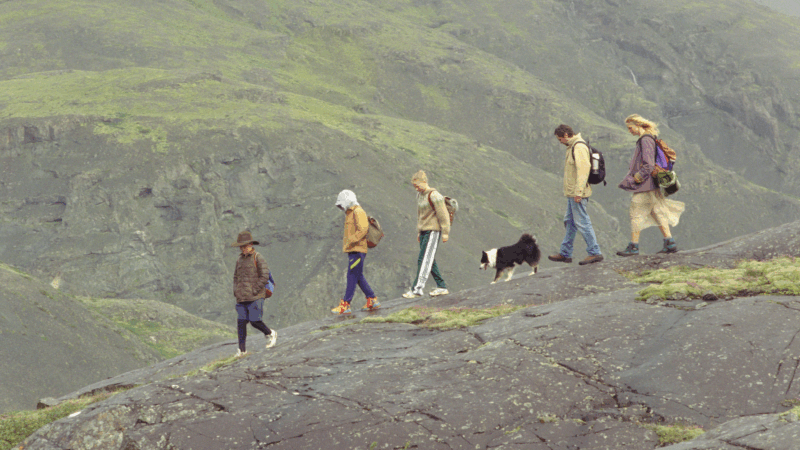
Pálmason’s fourth feature is broadly about the separation between Anna, an artist, and Magnús (Sverrir Guðnason), an industrial fisherman in rural Iceland. Pálmason doesn’t reveal the cause of their rift, and instead places the viewer in its aftermath. Without her studio, Anna begins working outdoors, where much of her practice involves pressing large slabs of iron onto canvas. Anna lives with their three children, played by Pálmason’s real-life children, and his real-life sheepdog, Panda, while Magnús spends most of his time at sea. He attempts to maintain a presence in his family’s life by dropping into the house when he can, but his visits feel more like he’s overstaying his welcome than he is a missing piece coming into place. There’s less animosity between the two than there is pity from Anna toward Magnús. She sees their relationship as over, while he sees things as more complicated.
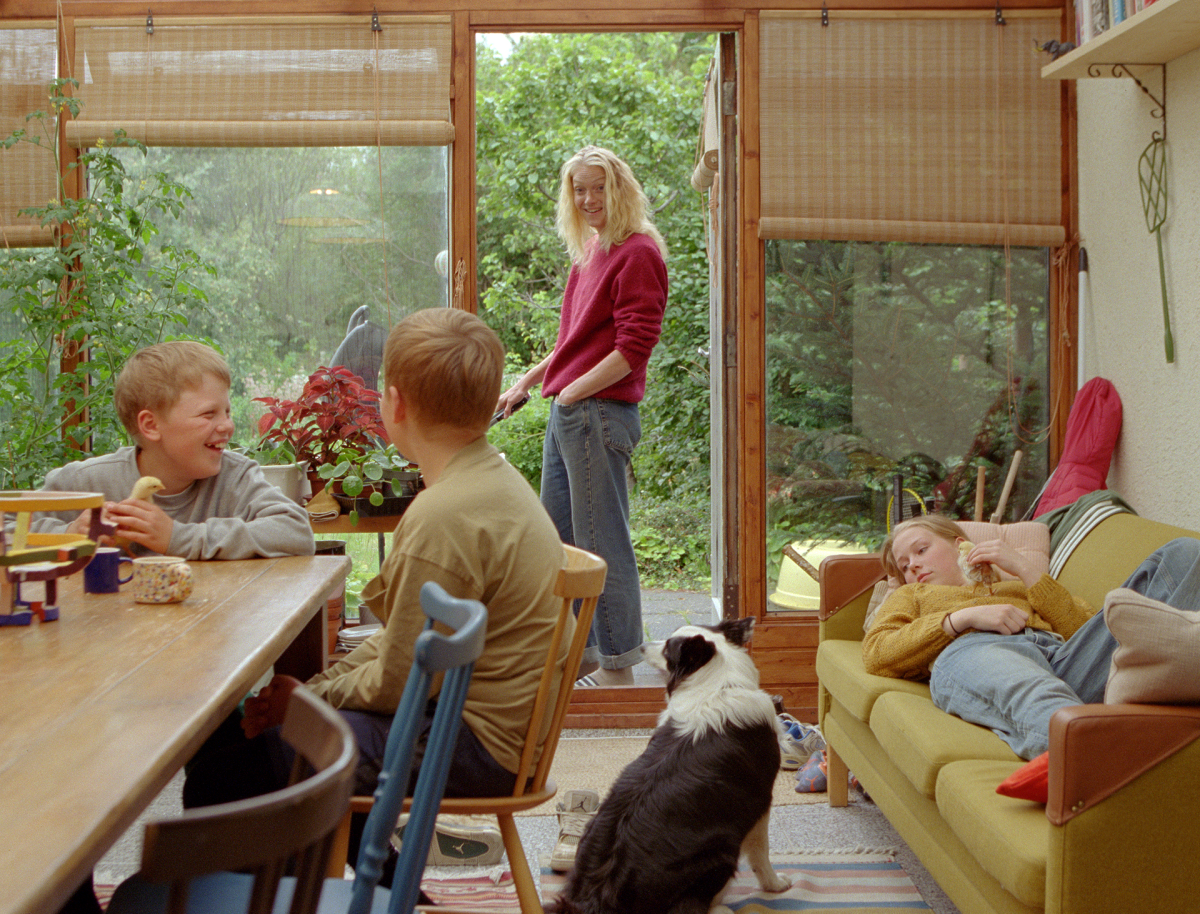
Pálmason’s follow-up to 2022’s Godland shares its predecessor’s arresting and cinematic visuals, which portray nature as both serene and a force to be reckoned with. Through careful observations of the beautiful and the ugly, Pálmason emphasizes the inseparable bond between nature, family, and love — all elements of the world that are forever changing and require tending to. Scenes of domestic life are cut between vignettes of the natural world, from luscious green landscapes to a mushroom being torn open, with the film’s melodic, piano-driven soundtrack adding an affecting layer of sentimentality. It is no coincidence that Magnús works at sea, one of many natural forces that place him in tension between control and surrender. At times he attempts to reassert himself as a present and authoritative figure in his family, while at others, he seems to accept the reality: the dynamics at home have changed. But a repeated image of Magnús floating on his back in the ocean suggests which he ultimately yields to.
In The Love That Remains, the children’s outlooks on the world are as prominent as their parents’ and at times, their roles reverse. While on the road with his teenage daughter Ída (Ída Mekkín Hlynsdóttir) behind the wheel, Magnús confesses that he killed their rooster with a rock. To her dismay, he explains that he didn’t want to do it, but her mother asked him to get rid of it. He offers a clouded explanation about how sometimes when you’re an adult, you have to do things that you don’t want to do. His daughter pushes back, insisting, “There’s no way I’ll be like that,” and the two argue. With her hands on the wheel and Magnus in the passenger seat, her ardent response is marked by a moral clarity that Magnus’ adulthood seems to have eroded.
You’d be forgiven for forgetting you aren’t watching a real family on screen; through sustained observations of its characters and their surroundings, the film allows meaning to emerge over time rather than through heavy-handed narrative arcs. But Pálmason surprises in moments when the film indulges in a fantasy realm tinged with humor. After Anna hosts a painstakingly long meeting with a gallerist who is more concerned with talking about natural wine than her work, she imagines his plane magnificently crashing. And in one scene, a rooster — a giant version of the one Magnús killed — comes back to haunt him, taking him by the beak and repeatedly throwing him against the wall.
In an early dinner table conversation about the family dog, Panda, Anna’s father says, “Life is nothing but a f****** hassle, but animals bring us joy,” a line reflecting both the minutiae and absurdity of everyday existence. Pálmason’s The Love That Remains doesn’t attempt to make a grand thesis on love and family, but successfully captures both its smallness and precious enormity.
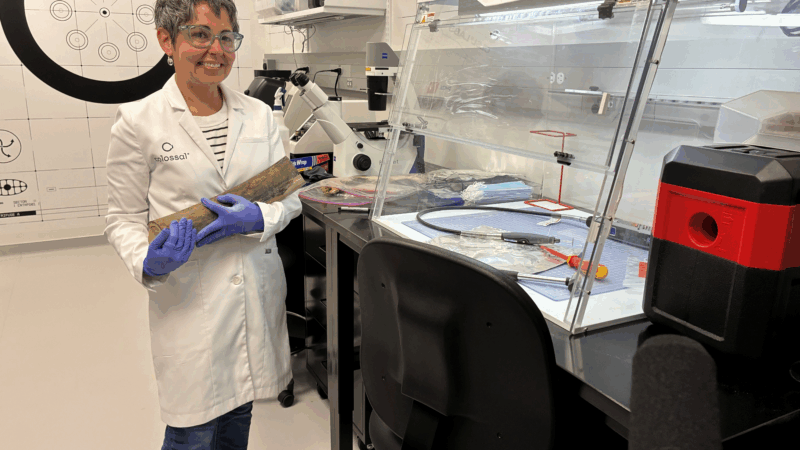
Colossal Biosciences breeds controversy while trying to revive mammoths
A Texas biotech company is trying to bring mammoths and other extinct creatures back to life. The science is as intriguing as the ethical questions are thorny.
Mundane, magic, maybe both — a new book explores ‘The Writer’s Room’
Why are we captivated by the spaces where where authors write? Katie da Cunha Lewin set out to explore "The Hidden Worlds That Shape the Books We Love."

GOP Rep. Tony Gonzales heads to a runoff in Texas amid a new ethics probe in the House
Texas Republican Rep. Tony Gonzales has faced increasing pressure from his party to resign or drop out of his race after allegations of an affair with a staffer.
Satellite images show Iran school strike hit more targets than earlier reported
The images suggest that precision munitions struck other buildings, including a clinic that was also inside the complex.

As live music becomes more inaccessible, most fans stay watching through screens
Now that it is becoming harder and harder to get a ticket to your favorite artist's show, watching indirectly is becoming a popular compromise. What is gained and lost in a tiered concert hierarchy?
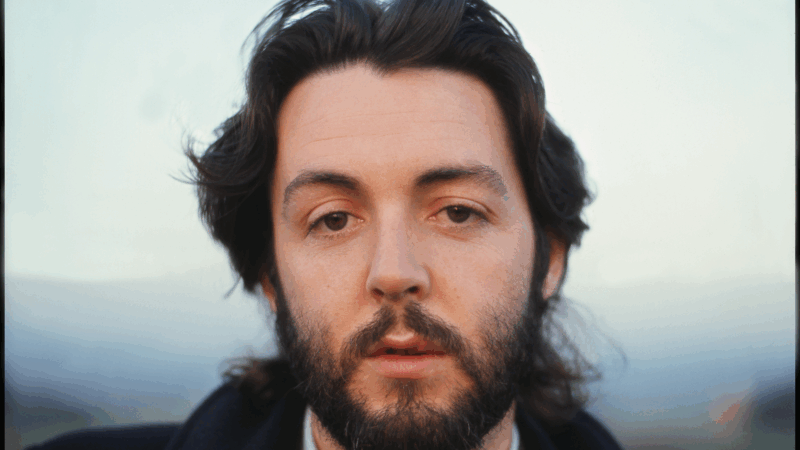
Paul McCartney’s decade of transformation: From Beatles breakup to John Lennon’s murder
Man on the Run shows McCartney's effort to define himself outside The Beatles' shadow: "Paul making this documentary was a way of coming to terms with that whole period," says director Morgan Neville.
