
In a world built for sitting, here’s how to stay active — even when stuck inside
[This piece by Manoush Zomorodi also appeared in the Body Electric newsletter. Sign up here for a biweekly guide to move more and doomscroll less.]
It’s the season of “inside.” The kind of weather that turns your home into a little terrarium: warm light, hot drinks, a laptop — and a lot of sitting.
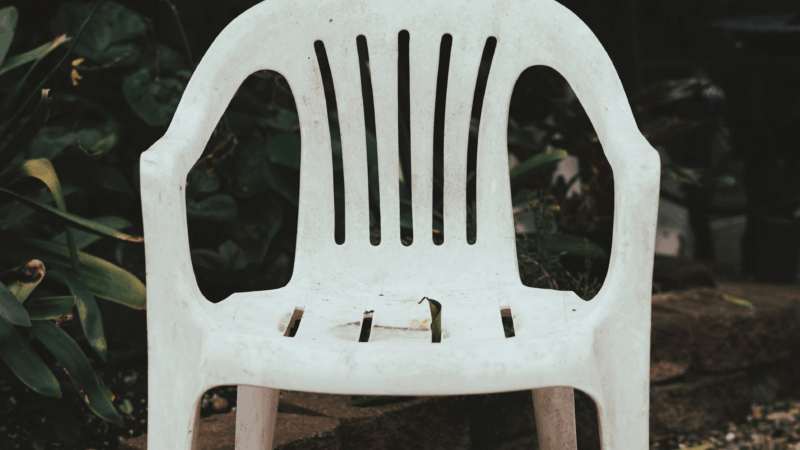
We don’t think of it as a modern invention, but all the time we spend seated is relatively new: For most of human history, chairs were relatively rare (usually a symbol of power), and everyday life involved a lot more shifting, squatting, perching, and getting up and down.
Why we sit so much
Then mass production made chairs cheap, plentiful and — crucially — everywhere. Offices. Schools. Living rooms. Once chairs became the norm, stillness started to look like “proper” behavior. By the late 1800s, seating was being designed to keep bodies in place for repetitive work. Later, school reinforced the lesson (“sit still to succeed”) and television reinforced it at home (“sit still to relax”). Today, phones and computers make it the default. We’ve built our world around sitting.
Where movement fits in
It can feel hard to integrate movement into your day, even when you want to. But movement breaks can help us feel more human, especially in winter.
So here’s your weather-proof challenge: pick two and do five minutes each today.
- March in place (or do arm circles) during a call. You don’t need to be on camera.
- Do laps around your dining room table — bonus points if you put on one song and dance
- Stair loop. Up and down for 2–3 minutes, then stretch, then repeat
- Hallway commute. Walk the length of your home while you scroll (slow enough to be safe)
Forget working out — let’s just interrupt the spell that sitting and staring at a screen casts over us!
More about the history of chairs and, of course, how to integrate movement breaks into real life are in the Body Electric book, out in almost exactly four months.
We love to hear from you!
Send us a video of yourself or email us at [email protected] to share your thoughts on how to keep moving.
Sign up for our Body Electric newsletter, or share it with a friend.
Didn’t hear the Body Electric series? Listen on Apple Podcasts, Spotify or the NPR App.
This story was written by Manoush Zomorodi and edited by Sanaz Meshkinpour.
Pakistan-Afghanistan border closures paralyze trade along a key route
Trucks have been stuck at the closed border since October. Both countries are facing economic losses with no end in sight. The Taliban also banned all Pakistani pharmaceutical imports to Afghanistan.
Malinowski concedes to Mejia in Democratic House special primary in New Jersey
With the race still too close to call, former congressman Tom Malinowski conceded to challenger Analilia Mejia in a Democratic primary to replace the seat vacated by New Jersey Gov. Mikie Sherrill.
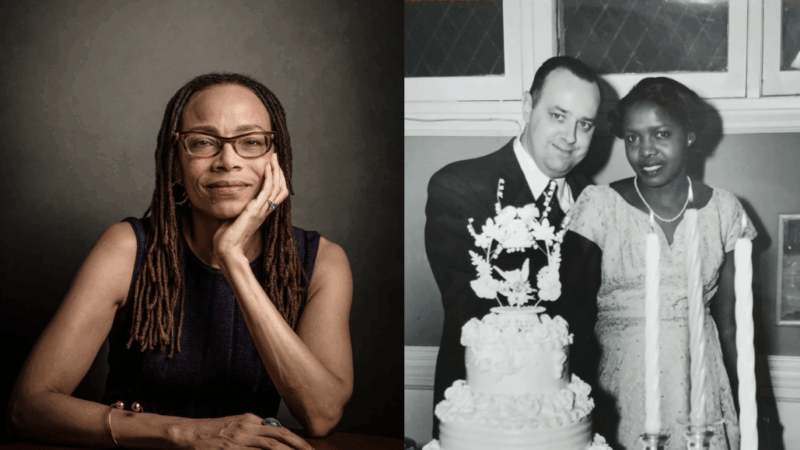
A daughter reexamines her own family story in ‘The Mixed Marriage Project’
Dorothy Roberts' parents, a white anthropologist and a Black woman from Jamaica, spent years interviewing interracial couples in Chicago. Her memoir draws from their records.
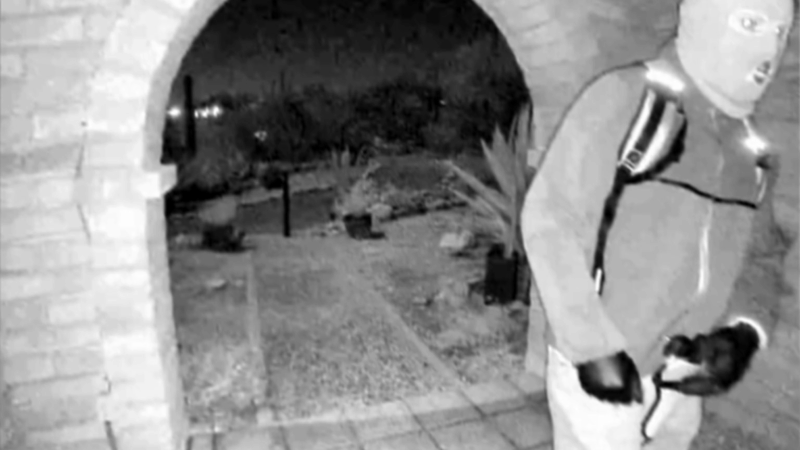
FBI release photos and video of potential suspect in Guthrie disappearance
An armed, masked subject was caught on Nancy Guthrie's front doorbell camera one the morning she disappeared.
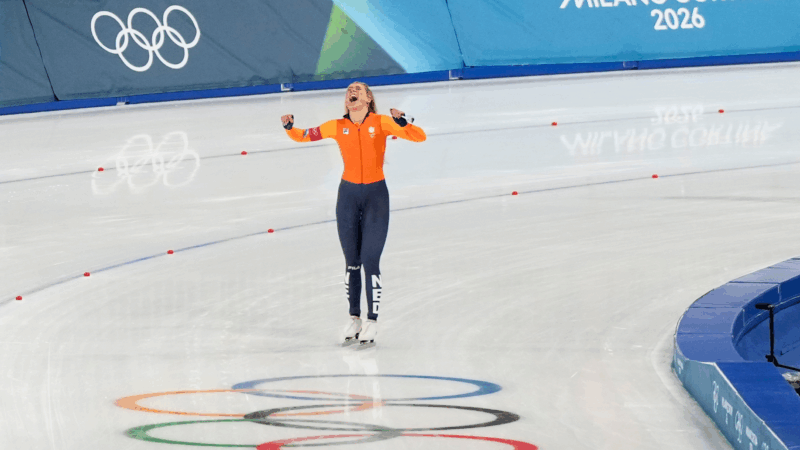
Reporter’s notebook: A Dutch speedskater and a U.S. influencer walk into a bar …
NPR's Rachel Treisman took a pause from watching figure skaters break records to see speed skaters break records. Plus, the surreal experience of watching backflip artist Ilia Malinin.
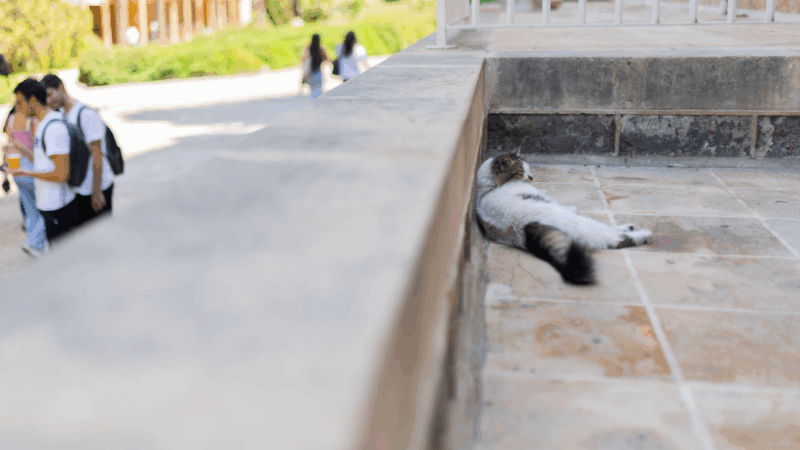
In Beirut, Lebanon’s cats of war find peace on university campus
The American University of Beirut has long been a haven for cats abandoned in times if war or crisis, but in recent years the feline population has grown dramatically.
