
In a world built for sitting, here’s how to stay active — even when stuck inside
[This piece by Manoush Zomorodi also appeared in the Body Electric newsletter. Sign up here for a biweekly guide to move more and doomscroll less.]
It’s the season of “inside.” The kind of weather that turns your home into a little terrarium: warm light, hot drinks, a laptop — and a lot of sitting.
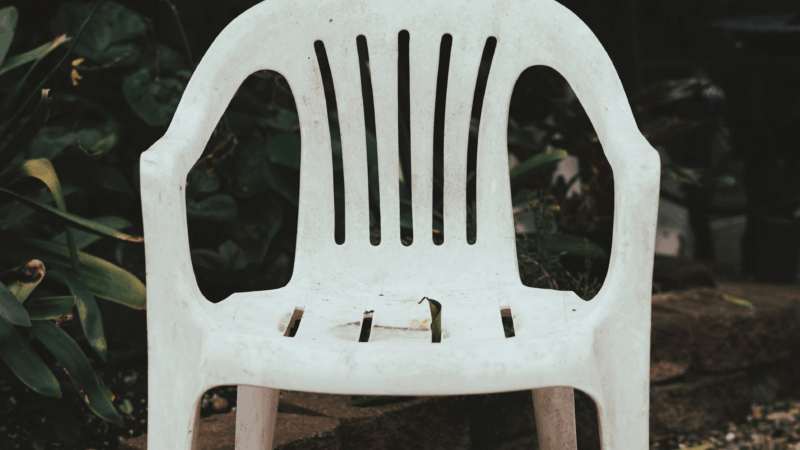
We don’t think of it as a modern invention, but all the time we spend seated is relatively new: For most of human history, chairs were relatively rare (usually a symbol of power), and everyday life involved a lot more shifting, squatting, perching, and getting up and down.
Why we sit so much
Then mass production made chairs cheap, plentiful and — crucially — everywhere. Offices. Schools. Living rooms. Once chairs became the norm, stillness started to look like “proper” behavior. By the late 1800s, seating was being designed to keep bodies in place for repetitive work. Later, school reinforced the lesson (“sit still to succeed”) and television reinforced it at home (“sit still to relax”). Today, phones and computers make it the default. We’ve built our world around sitting.
Where movement fits in
It can feel hard to integrate movement into your day, even when you want to. But movement breaks can help us feel more human, especially in winter.
So here’s your weather-proof challenge: pick two and do five minutes each today.
- March in place (or do arm circles) during a call. You don’t need to be on camera.
- Do laps around your dining room table — bonus points if you put on one song and dance
- Stair loop. Up and down for 2–3 minutes, then stretch, then repeat
- Hallway commute. Walk the length of your home while you scroll (slow enough to be safe)
Forget working out — let’s just interrupt the spell that sitting and staring at a screen casts over us!
More about the history of chairs and, of course, how to integrate movement breaks into real life are in the Body Electric book, out in almost exactly four months.
We love to hear from you!
Send us a video of yourself or email us at [email protected] to share your thoughts on how to keep moving.
Sign up for our Body Electric newsletter, or share it with a friend.
Didn’t hear the Body Electric series? Listen on Apple Podcasts, Spotify or the NPR App.
This story was written by Manoush Zomorodi and edited by Sanaz Meshkinpour.

Paul McCartney’s decade of transformation: From Beatles breakup to John Lennon’s murder
Man on the Run shows McCartney's effort to define himself outside The Beatles' shadow: "Paul making this documentary was a way of coming to terms with that whole period," says director Morgan Neville.
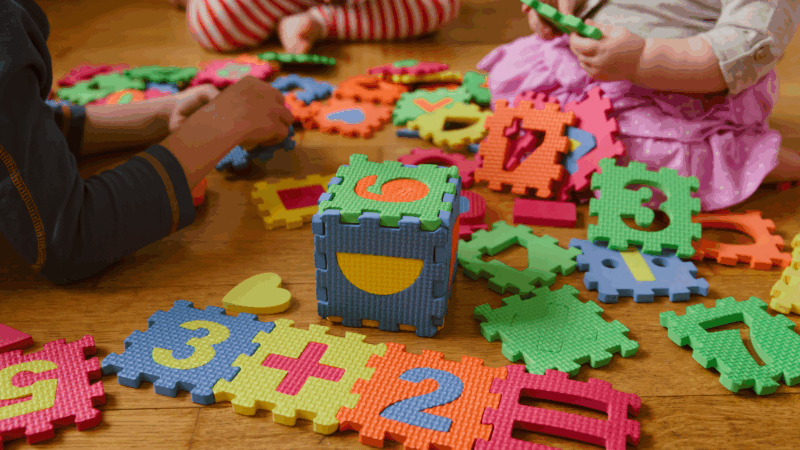
A Biden-era rule sought to stabilize child care. Why Trump wants it gone
The Trump administration has proposed repealing a Biden-era rule that required states to change how they pay out child care subsidies, citing the potential for fraud.

Greetings from Southwest Papua, which has some of the world’s richest marine biodiversity
The Raja Ampat islands in Indonesia's Southwest Papua province are a marine biodiversity hotspot and a divers' paradise.
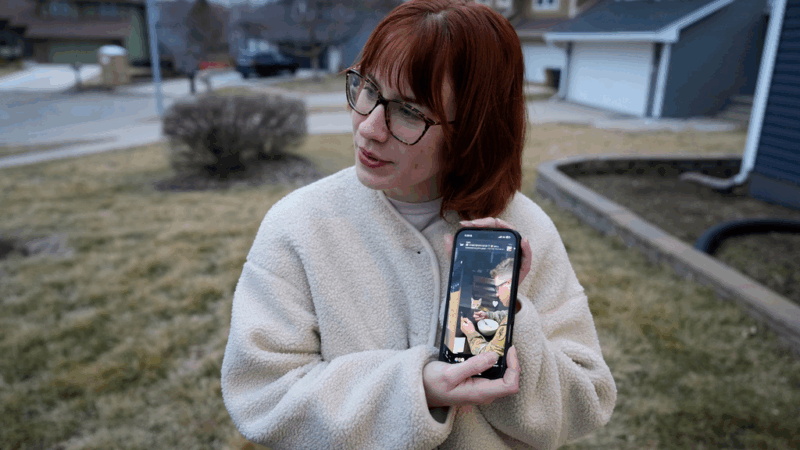
Families remember U.S. reservists killed in Kuwait, members of an Iowa logistics unit
Four U.S. soldiers were killed in the Iran war on Sunday and IDed Tuesday by the Pentagon; two soldiers haven't yet been publicly identified. Their unit kept troops supplied with food and equipment.
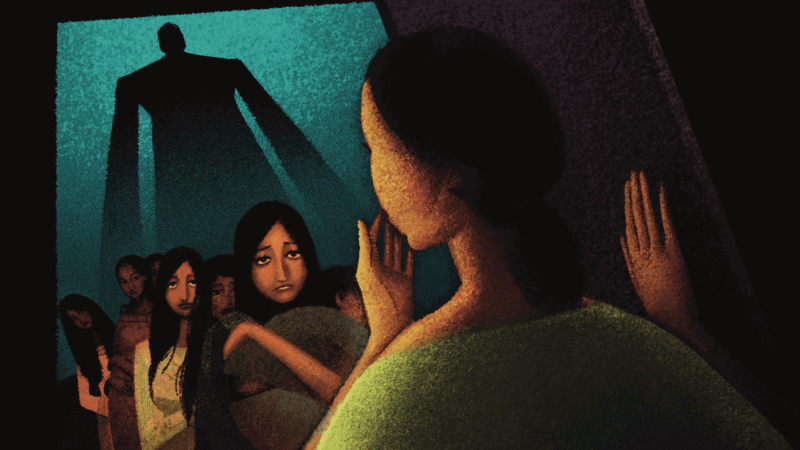
Why supporting a shelter for women is now ‘kind of radioactive’
That's how researcher Beatriz Garcia Nice describes the new U.S. stance under the Trump administration to programs addressing gender-based violence.
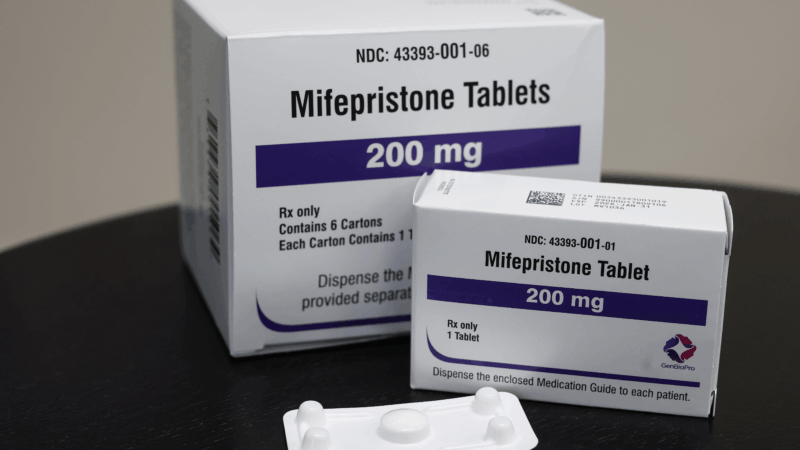
Telehealth abortion is in the courts. Share your experience.
Mifepristone is facing another major legal challenge.
