
In 2024, COVID dropped from the list of top 10 causes of death in U.S.

COVID-19 is no longer one of the top 10 causes of death in the U.S.
Early data on deaths in 2024, published by the Centers for Disease Control and Prevention, show that COVID dropped from the list for the first time since the start of the pandemic. It became the third leading cause of death in the U.S. in 2020, and remained among the leading causes until now.
“COVID is still in the top 15 leading causes of death, so it hasn’t disappeared,” says Farida Ahmad, a health scientist at the CDC’s National Center for Health Statistics and lead author on the publication.
Since its peak in 2021, when more than 463,000 people died from COVID, it has been moving steadily down the list. Last year, it was a factor in around 47,000 U.S. deaths.
Overall, deaths last year were down 4% from the previous year, and it was the third consecutive year of that downward trend, Ahmad says. The declines extend across the board, to most age groups and to people of all races and ethnicities, and can be attributed to a number of factors, such as fewer deaths from COVID and from drug overdoses, she says.
The leading causes of death included suicide, diabetes, kidney disease, and unintentional injury. Heart disease and cancer — both chronic diseases — remained the top two leading causes of death, as they have been for more than a decade, and were responsible for more than 40% of U.S. deaths in 2024.
Death rates were higher for men than women, for older adults, and for Black Americans compared with other racial and ethnic groups.
“The fact that we’re seeing people living into older and older age and dying of chronic diseases is a sign that we’ve been successful at dealing with infectious diseases,” says Kathleen Ethier, a former CDC official at the National Center for Chronic Disease Prevention and Health Promotion, who left the agency in January and was not involved in this paper.
Tackling chronic diseases takes a different strategy, Ethier says: “These are things that develop over time, that are highly impacted by our behavior and environments and genetics.”
With heart disease, for instance, a person may have higher risks if they have a family history of the condition, if they live in stressful or polluted environments, if they mainly eat ultraprocessed foods, and if they have spotty access to health care. “What kinds of food can people afford? Do they have insurance and money to pay for services? Those are difficult, entrenched things for public health to impact,” Ethier says.
Earlier this week, Health Secretary Robert F. Kennedy Jr. released a report titled “Make Our Children Healthy Again,” which drew mixed reviews from public health advocates, who note that its goals clash with other recent moves by the Trump Administration, including cuts to food assistance, scientific research, Medicaid programs and changes that limit access to vaccines.
“What this administration is doing is going to make the top ten causes of death worse,” says Ethier. She notes that President Trump’s FY 2026 budget targets the CDC division that’s focused on preventing chronic diseases for elimination in. This includes the office that deals with smoking, a major risk factor for heart disease, stroke and some cancers.
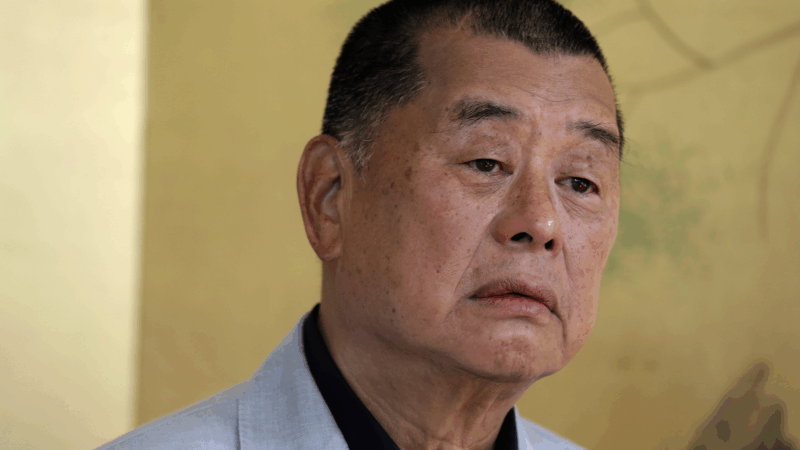
China critic and former media tycoon Jimmy Lai is sentenced to 20 years in a Hong Kong security case
Jimmy Lai, the pro-democracy former Hong Kong media tycoon and a fierce critic of Beijing, was sentenced on Monday to 20 years in prison in the longest punishment given so far under a China-imposed national security law that has virtually silenced the city's dissent.
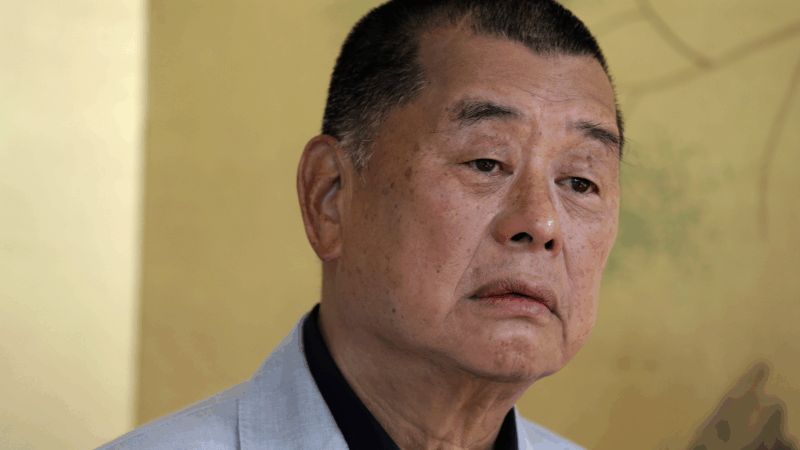
China critic and former media tycoon Jimmy Lai is sentenced to 20 years in a Hong Kong security case
Jimmy Lai, the pro-democracy former Hong Kong media tycoon and a fierce critic of Beijing, was sentenced on Monday to 20 years in prison in the longest punishment given so far under a China-imposed national security law that has virtually silenced the city's dissent.

Center-left Socialist candidate wins over populist in Portugal’s presidential runoff
Center-left Socialist candidate António José Seguro recorded a thumping victory over hard-right populist André Ventura in Portugal's runoff presidential election Sunday, according to official results.

Seahawks win Super Bowl title, pounding the Patriots 29-13
Seattle's "Dark Side" defense helped Sam Darnold become the first quarterback in the 2018 draft class to win a Super Bowl, to win the franchise's second title.

No, that wasn’t Liam Conejo Ramos in Bad Bunny’s Super Bowl halftime show
A publicist for Bad Bunny confirmed to NPR that the little boy in a blue bunny hat detained by ICE in Minneapolis last month did not participate in the Super Bowl halftime show.
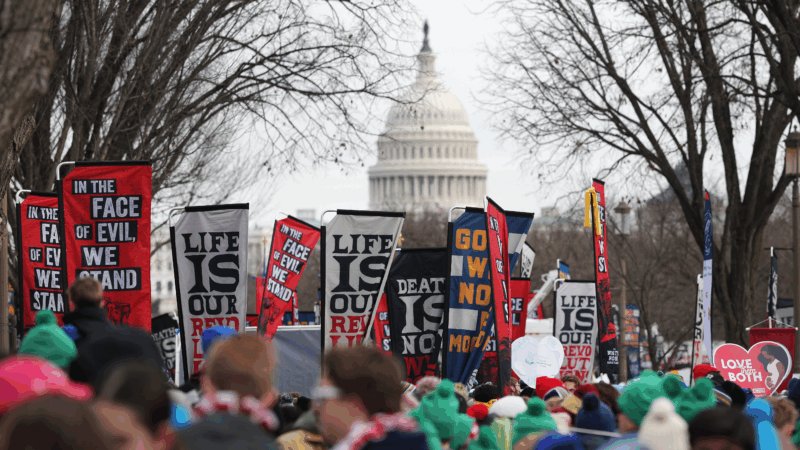
March for Life attendees may have been exposed to measles, DC Health warns
D.C. health officials are contacting people possibly exposed to measles at the March for Life in January, as confirmed cases rise nationwide.
