
How do Olympians like Eileen Gu earn $23 million? Here are all the ways
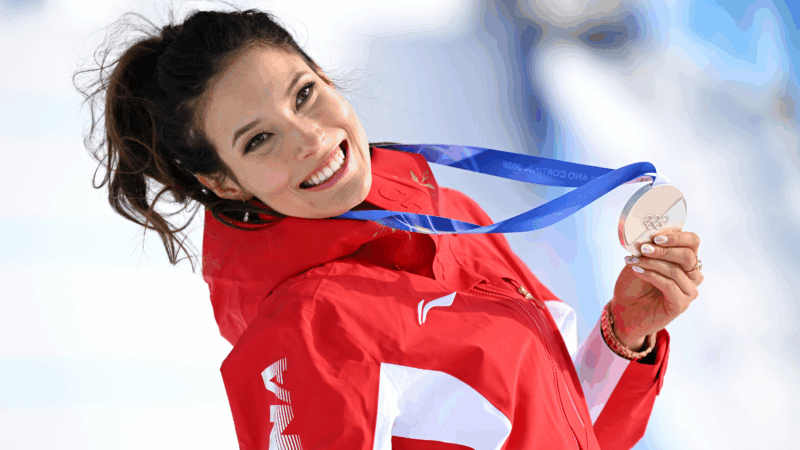
Some Winter Olympics athletes not only win big in the ski slopes or in the skating rink — they also win a different kind of gold.
Freestyle skier Eileen Gu and snowboarder Chloe Kim are part of a handful of elite athletes who have parlayed their Olympic fame into millions of dollars in sponsorships. Gu, for example, earned $23 million over the past 12 months, according to Forbes — the most of any Winter Olympics athlete.
So what makes some Olympians so bankable? From telegenic looks to savvy social media, here are the traits that can turn athletes into millionaires.
Winning!! Good looks help
Achieving great Olympic glory is the first, obvious requirement.
Gu won two golds and one silver medal at the Beijing 2022 Winter Olympics — and then added two more silvers this year in Milan-Cortina. Likewise, Kim won two successive gold medals in halfpipe snowboarding in PyeongChang, South Korea, in 2018 and in Beijing, adding another silver to her count this year.
Yet beyond incredible sporting achievement, both athletes also boast a common trait. It’s what marketers describe as “telegenic” looks. Gu, for example, has modeled for Victoria Secret and been in the Sports Illustrated swimsuit issue.
Gu has been able to become the most bankable winter Olympian despite attracting a lot of controversy after she chose to represent China despite being born and raised in San Francisco.

The 22-year-old has been coy about whether she has kept her U.S. citizenship given that China does not allow dual citizenship. But from a financial point of view, having a foot in the two biggest consumer economies of the world has earned her marketing gold.
Gu has a slew of sponsorships, from global brands such as Porsche to Chinese companies such as Anta Sports that are less well known outside of China.
Having that “it factor”
It doesn’t boil down to looks alone, however.
Sometimes it’s about sporting a distinctive look. Like snowboarder Shaun White’s red mane when winning a gold medal at the Vancouver 2010 Winter Olympics. But mostly, it’s about having what Rick Burton, the former head of marketing for the U.S. Olympics Committee, calls the “it factor.”
“We love that they’re winners, and we celebrate winners in our culture. And I think they look good doing it,” says Burton, who’s now a professor at Syracuse University.
“But they also have an outward vibrancy,” he adds. “It’s not necessarily that they’re extroverted, but it’s that they are comfortable in that moment.”
Snowboarder Chloe Kim for example gained fame because of her athletic prowess, but her bubbly and sunny personality proved to be marketing gold, earning her $4 million over the last year, according to Forbes.
Being savvy on social media
Athletes who are able to leverage their medals into marketing riches also often share another thing in common: a savvy social media presence.
Eileen Gu, for example, has plenty of glamor shots across her Instagram account, but she also posts about regular moments, like the rice cooker she brought to the Milan-Cortina Olympics, or brushing her teeth as she gets ready for another day of training. Gu also posts regularly in Chinese social media platform Weibo, where she has nearly 8 million followers.
Meanwhile, Kim recently posted a video on Instagram about trying on a new pair of denim shorts.
In other words, both are able pull off another characteristic that marketers and sponsors value immensely: Looking relatable.

Most Olympians, though, don’t win millions
To be sure, athletes such as Gu and Kim or skier Lindsey Vonn or figure skater Ilia Malinin are outliers in many ways.
Many athletes compete in the Olympics — yet many never end up with a lucrative sponsorship contract (though winning a medal can lead to great financial rewards).
In fact, even getting to the Olympics for many athletes involves great financial sacrifice. Affording equipment, paying for coaches and insurance all adds up. And it can mean having to take up part-time jobs, sometimes even launching crowdfunding campaigns like the one launched by a partner of the Jamaican bobsleigh team (portrayed in the Hollywood film Cool Runnings).
Sustaining fame beyond the Olympics is hard work
The hardest part for many athletes is how to stay relevant beyond the global attention that comes only once every four years.
It often requires hard work — and thinking hard about how to stay relevant, marketing experts say.
Shaun White, for example, started a new competition for snowboarding called The Snow League as a way to bring in more attention — and money — into the sport beyond the Olympics or the regular international competitions.
Other Olympians go a different route. For example, former speed skater Apolo Ohno and figure skater Kristi Yamaguchi appeared on — and won — different seasons of Dancing with the Stars.
Meanwhile, gold medalist Tara Lipinski and Olympian figure skater Johnny Weir are now Olympics analysts with broadcaster NBC and also happen to be on the latest season of reality TV show The Traitors, which airs on the Peacock network as well.
The next stars from Milan Cortina
There are a few emerging Olympic stars who could potentially become tomorrow’s millionaires outside the ski slopes.
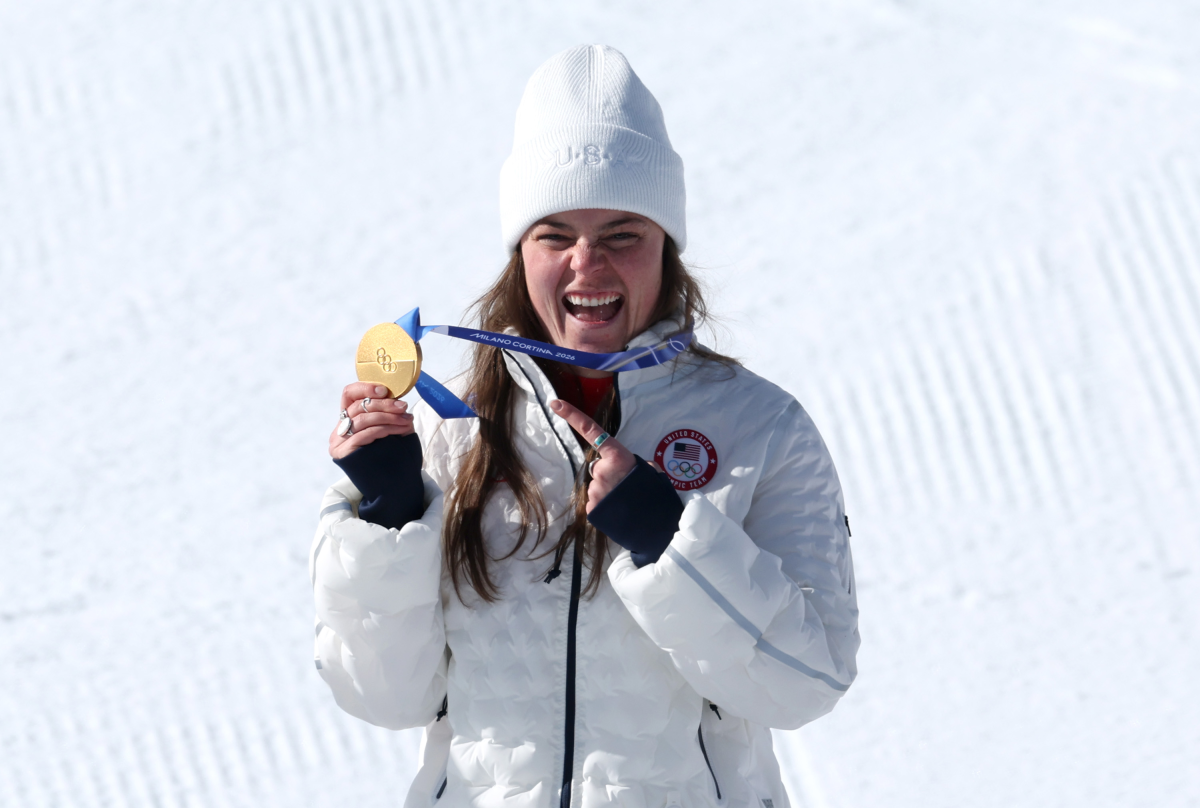
One name is already gaining a lot of buzz: alpine skier Breezy Johnson who won a gold in downhill skiing in Milan-Cortina.
Not only did she win gold, she also starred in one of the most discussed moments of the 2026 Winter Olympics when her boyfriend proposed to her near the finish line of her super-G race.
But in an era where Name Image and Likeness (NIL) sponsorships are becoming critical for many athletes, marketing experts are also eyeing how NIL could change the economics of Olympian fame.
“The athletes that maybe we’re going to be talking about over the course of the next month may not be photogenic,” Burton says. “They may not have won an event or medaled, but they may actually be people who are really good at using platforms that are available to them in this creator economy.”
Burton adds it could be something like creating a viral moment or putting out a video that captures widespread attention.
“If they can keep that audience coming back for more of their content and if they can monetize their content, all of a sudden you’ve got a really interesting premise,” Burton adds.
NIL may not earn an athlete the $23 million that Eileen Gu received over the past year — but for a winter Olympian it could be a way to turn great athletic sacrifice into something far more enduring: a good, comfortable living.
As the risk of measles grows, why are parents so divided on vaccines?
In South Carolina, some parents embrace vaccines, others opt out. Why do people make such different choices? A mix of politics, distrust and misinformation is pushing neighbors apart.

Brazil’s ex-President Bolsonaro is in intensive care with pneumonia, hospital says
One of Bolsonaro's doctor's described the former Brazilian president's medical condition as "serious."

Opinion: An ancient, sophisticated palate
Researchers looking at foodcrusts on the pottery shards of ancient humans say there's evidence of a wide variety of ingredients, indicating that they may have been experimenting with "recipes."
Why women have an especially tough time in Senegal’s prisons
Women charged with a crime in Senegal are at the mercy of a slow judicial process and prisons that may lack basic supplies. They also face stigma that robs them of familial and community support.

Musher from Alabama is going for back-to-back Iditarod wins
Riches and paid appearances haven’t followed Jessie Holmes since he won the world’s most famous sled dog race, the Iditarod, last year. He doesn't mind.

The Oscars are Sunday night. Here’s how to watch
The Oscars start at 7 p.m. Eastern, 4 p.m. Pacific on Sunday, airing on ABC and streaming on Hulu.
