
How a Toledo tattoo artist helps turn scars into art
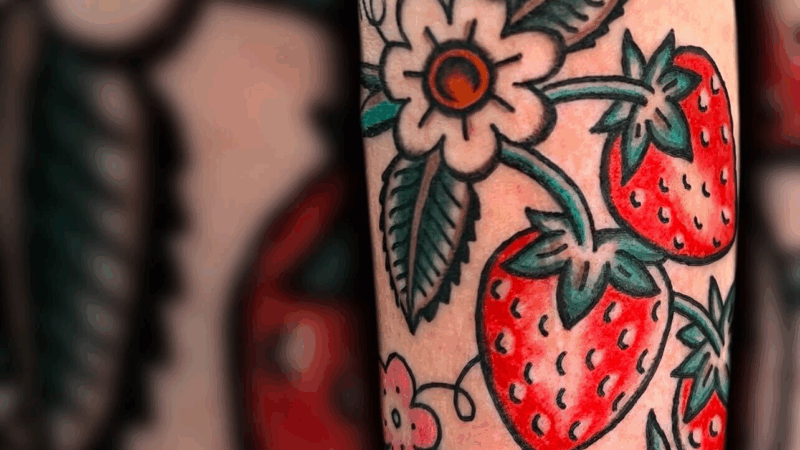
Ten years ago, professional tattoo artist Brian Finn decided to use his talents to help people — by providing free or reduced cost tattoos on his day off for people with scars caused by trauma
“It just kind of hit me one day that I had the tools to do something to help people. So, I kind of rolled with it,” Finn says.
NPR first spoke with Finn in 2015 when he started tattooing clients on his day off.
After that interview, he says, the requests started pouring in. He’s done thousands of tattoos for people wanting to cover up scars from domestic abuse, human trafficking, self-harm and more. Finn, who has been tattooing for more than 30 years, says tattoos carry different meanings for everyone.
“Some people, you know, they want to cover up a scar with a tattoo so they can’t see it. But there’s a lot of people, too, that came in … they wanted to kind of highlight it,” he says. “Everybody’s different. And I think both are great ideas and just a different approach depending on what you want to do.”

He says after our 2015 interview, the requests were not just coming from potential customers.
He offers advice to tattoo artists who want to offer a similar service. And he’s found a community of like minded artists. “There’s people that reached out from all across the world, different tattoo shops, different tattooers saying: ‘Hey, I heard that on NPR. I’m kind of following suit and I’m doing the same thing.'”
Finn says that the work hasn’t always been easy. When he first started, he wasn’t anticipating the emotional toll.
“Emotionally, it was … there was a lot of pain to hear on a daily basis,” he says, recounting working with people who have experienced trauma.
“The only thing that’s really changed is that I think it’s less overwhelming … hearing everybody’s story all at once was more than I expected.”
Ten years on, Finn says he plans to keep going.
“I don’t see any reason to stop,” he says.
“It’s nice to help people out.”
To tell us your own story about how being a volunteer has shaped your life or nominate someone you think we should profile, fill out this form.
Transcript:
ARI SHAPIRO, HOST:
For the past decade, tattoo artist Brian Finn has been offering free or reduced-rate tattoos to people who want to cover over scars – scars from trauma, domestic abuse, human trafficking, self-harm. I met Brian on a different reporting trip to Ohio in 2015. A small piece about his work in the Toledo City Paper caught my eye, so I stopped by his studio.
(SOUNDBITE OF ARCHIVED NPR CONTENT)
BRIAN FINN: The cost of the equipment is not that much. It just takes up my time. So if I can make somebody’s day better, life better, just covering up a scar from a bad experience, I sleep a little better.
(SOUNDBITE OF TATTOO NEEDLE BUZZING)
SHAPIRO: Well, in the last decade, Finn has done thousands of free or reduced-rate tattoos, so for our series “Here To Help” on volunteerism in America, I wanted to check back in with him. Brian Finn, welcome back to ALL THINGS CONSIDERED.
FINN: Thank you. How are you doing?
SHAPIRO: I’m great. I can’t believe you’re still at it. When I talked to you in 2015, did you ever imagine you would be doing this a decade later still?
FINN: Oh, not really. I mean, I didn’t really have any plans to stop. But yeah, it just kind of keeps going.
SHAPIRO: Why did you first decide to start doing this on your days off? What gave you the idea originally?
FINN: It just kind of hit me one day that I had the tools to do something to help people. And everybody I was surrounded with said that they thought it was a good idea, so I just kind of rolled with it.
SHAPIRO: And was there immediately a surge of demand that’s just never let up?
FINN: There was after our first interview, which really kind of got me because I was under the assumption that most people knew that you could cover up a scar with a tattoo. And to this point, I think it just kind of brought awareness that, you know, it is possible. And from that, you know, there was people that reached out from all across the world – different tattoo shops, different tattooers – saying, hey, I heard that on NPR. I’m kind of following suit, and I’m doing the same thing. You know, that was Brazil, Ireland.
SHAPIRO: And so it’s not only that clients poured in asking for your help covering up scars, but other tattoo artists picked up the idea and started doing it all over the world.
FINN: Oh, yeah, yeah. It was more so bringing awareness. So that was kind of the biggest take back with that. So it was really nice. There’s still people that reach out to me every single day, every other day – hey, I live here. And, you know, it’s maybe thousands of miles away, but they’re asking if I know anybody or could recommend anybody or, you know, if the scar is healed up enough to go over. So just giving them as much information as I can.
SHAPIRO: Over these 10 years, have you seen changes in the kinds of people who seek you out or the kind of tattoos that people want?
FINN: Not necessarily the – any changes in the tattoos. I think everybody kind of chooses something different. I’ve noticed that some people – you know, they want to cover up a scar with a tattoo so they can’t see it. But there’s a lot of people, too, that came in that they wanted to kind of highlight it. And it’s – yeah, everybody’s different. And I think both are great ideas and just a different approach, depending on what you want to do.
SHAPIRO: Has this experience changed you?
FINN: I think it definitely has changed me quite a bit. I think that it’s less overwhelming. I think that’s the biggest thing. I think at first, hearing everybody’s story all at once was more than I expected.
SHAPIRO: Yeah.
FINN: So emotionally, it was – you know, it was a lot. A lot of pain to hear on a daily basis. But I think now I just have a different perspective of it to where it’s nice to help people out.
SHAPIRO: You think you’ll keep doing it until you retire?
FINN: I don’t see any reason to stop (laughter), you know?
SHAPIRO: Well, Brian Finn, it is so good to talk to you again a decade after we first met. Thanks a lot.
FINN: Thank you so much.
SHAPIRO: He’s a tattoo artist in Toledo, Ohio.
And we want to hear from you. To tell us your own story about how being a volunteer has shaped your life or to nominate someone you think we should profile, go to npr.org and search “Here to Help.”
(SOUNDBITE OF MUSIC)
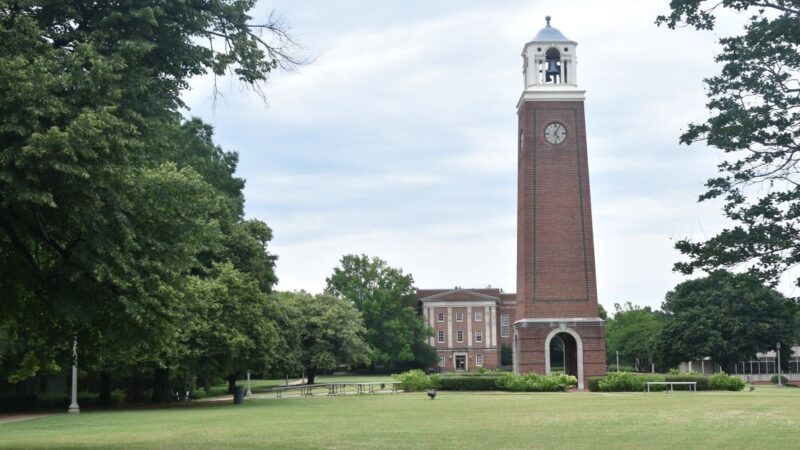
Mixed reactions, including relief, greet news the Coast Guard is buying BSC campus
The U.S. Coast Guard will take possession of the 192-acre campus in the northeast corner of Birmingham’s Bush Hills Neighborhood and will begin work to refit it as a training center for officers and enlisted personnel.
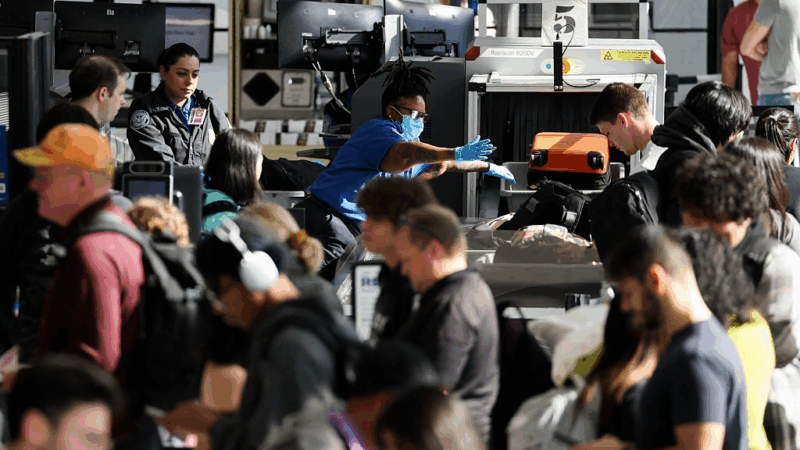
Travel industry pushes Congress to end DHS shutdown and pay federal security workers
With the busy spring break travel season looming, travel and aviation industry leaders urged Congress to end the stalemate over DHS funding before workers at TSA and ports miss a full paycheck.
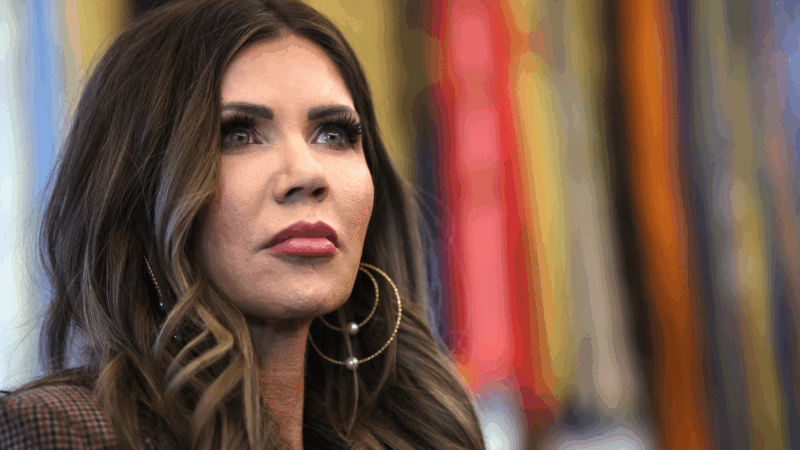
Trump fires Kristi Noem as DHS chief, names Sen. Markwayne Mullin to replace her
President Trump has fired his homeland security secretary, Kristi Noem, and said Markwayne Mullin, a senator from Oklahoma, would replace her.

They were led off course in a big race. But a fix is more complicated than prize money
Top finishers in the Atlanta half marathon are calling for U.S. track officials to ensure that Jess McClain and two other athletes aren't excluded from the world championships because of an error.
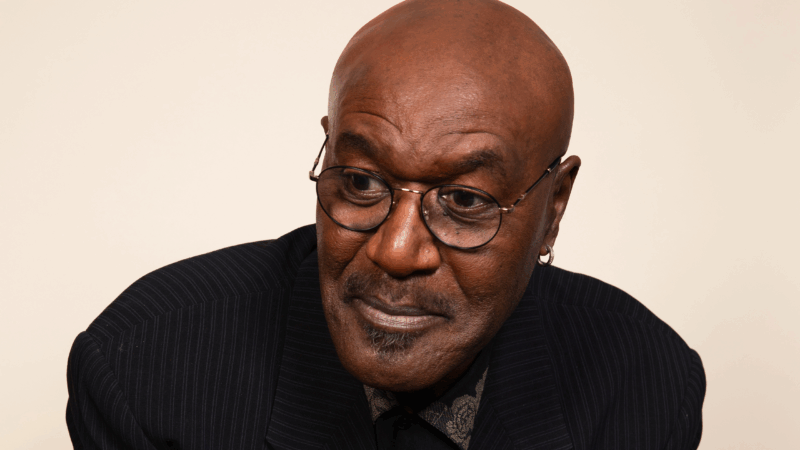
No matter what happens at the Oscars, Delroy Lindo embraces ‘the joy of this moment’
Lindo is nominated for best supporting actor for his role in Sinners. At the BAFTA awards on Sunday, Lindo was presenting when a man with Tourette syndrome in the audience yelled out a racial slur.
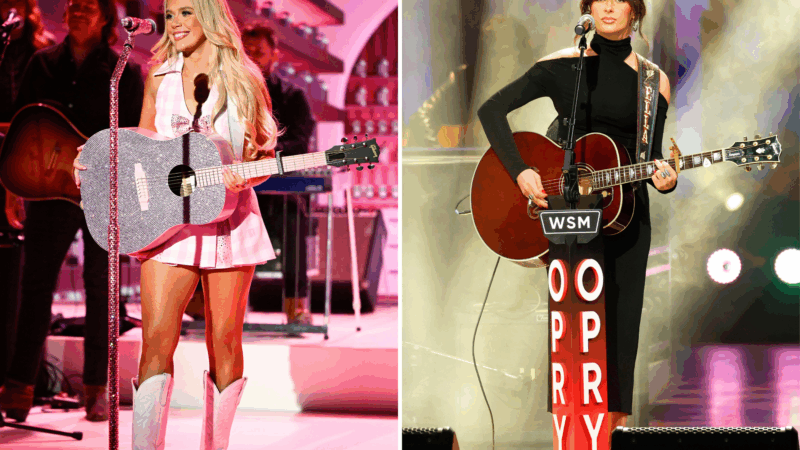
Between Megan Moroney and Ella Langley, country women rule the charts
It's a big week for women in country music — and, it turns out, for women whose songs are favored by women in figure skating.
