
Here are some of the newest UNESCO World Heritage sites

Twenty-six sites have been added to UNESCO’s World Heritage List, designating their cultural and natural importance.
Locations this year include a sacred mountain in Malawi; petroglyphs in South Korea; remains of a port and forts from 17th century Port Royal, Jamaica; a king’s palaces in Germany; and a river canyon in Brazil noted for its biodiversity.
The World Heritage List, now numbering 1,248 locations, includes “cultural and natural properties of outstanding universal value.” Sites have been added almost every year since 1978. UNESCO is a United Nations agency focused on culture, science and education.
Representatives of 21 countries on the World Heritage Committee met this month in Paris to finalize which locations to add to the list. Countries with World Heritage sites must commit to preserving them; countries with designated sites could also receive funding to help with that conservation.
Here’s a selection of some of the locations added this year:
Bavarian palaces
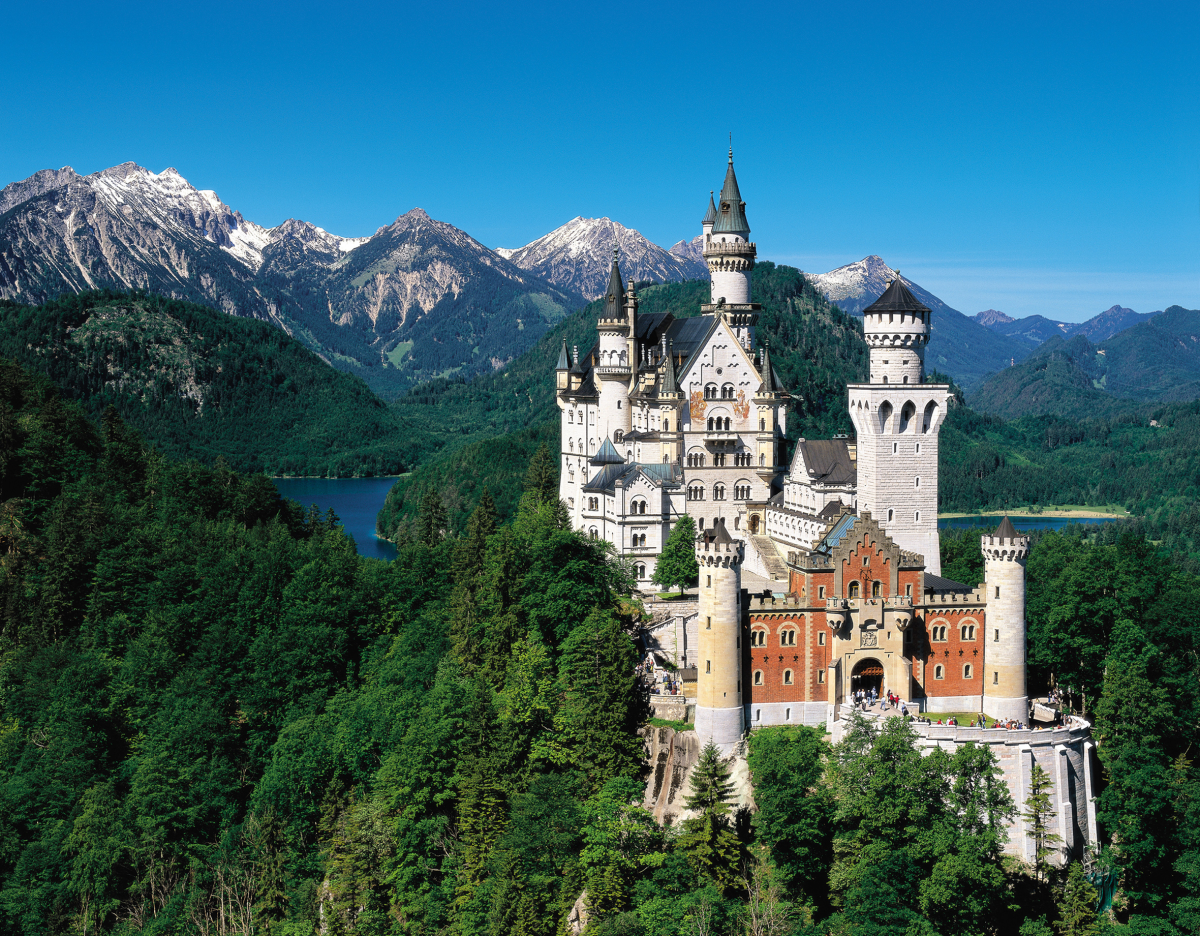
King Ludwig II of Bavaria had these grand palaces built between 1864 and 1886 in what is now Germany, according to UNESCO. He ascended to the throne at age 18 and has been called the “Mad King,” because of his long rants, hallucinations and paranoia. The four palace complexes listed are called Neuschwanstein, Linderhof, Schachen and Herrenchiemsee. The palaces are now a tourist attraction, “records in stone of the ideal fantasy world which the king built as a refuge from reality,” according to a biography on a website for the palaces.
Imperial tombs in China
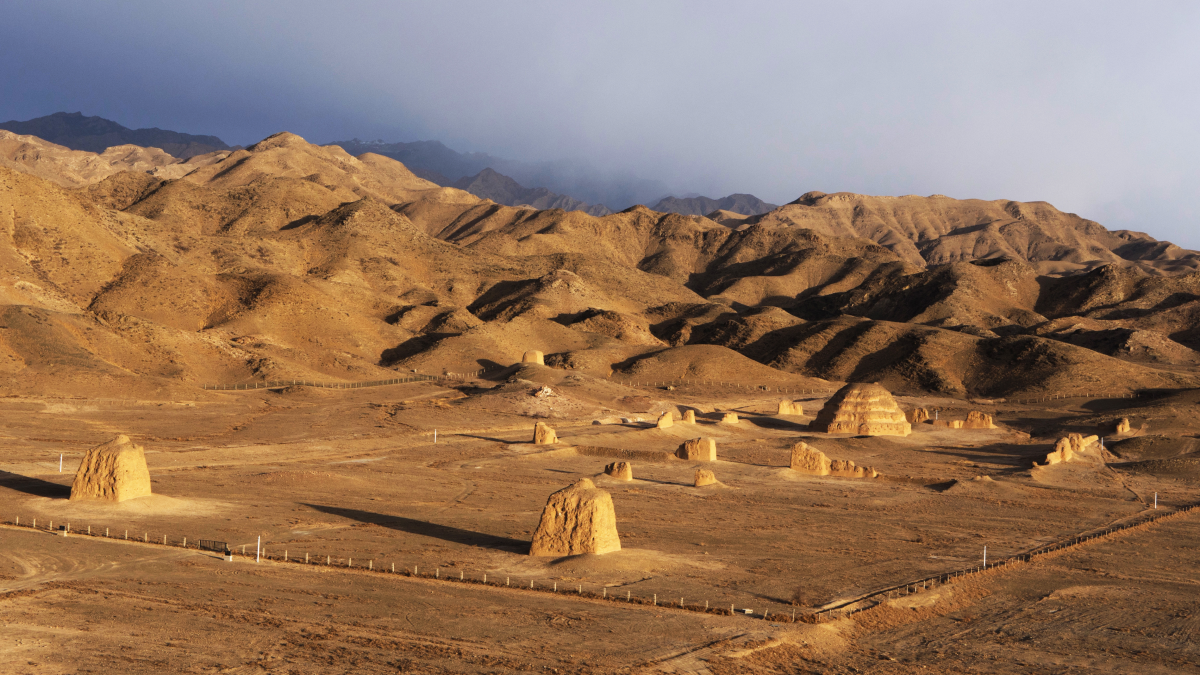
The necropolis is located in north-central China’s Ningxia region. People from the Xixia Dynasty are buried among the “nine imperial mausoleums, 271 subordinate tombs, a northern architectural complex, and 32 flood control structures,” as UNESCO describes. The dynasty lasted from 1038 to 1227, when it was destroyed by Genghis Khan’s Mongol army.
China’s government said the site shows “the crucial role of Xixia as a key distribution center on the Silk Roads during the 11th and 13th centuries.” It added that the location is “the largest, highest-ranked, and most intact archaeological site from the Xixia period that has survived to the present day.”
Remains of 17th century Port Royal, Jamaica
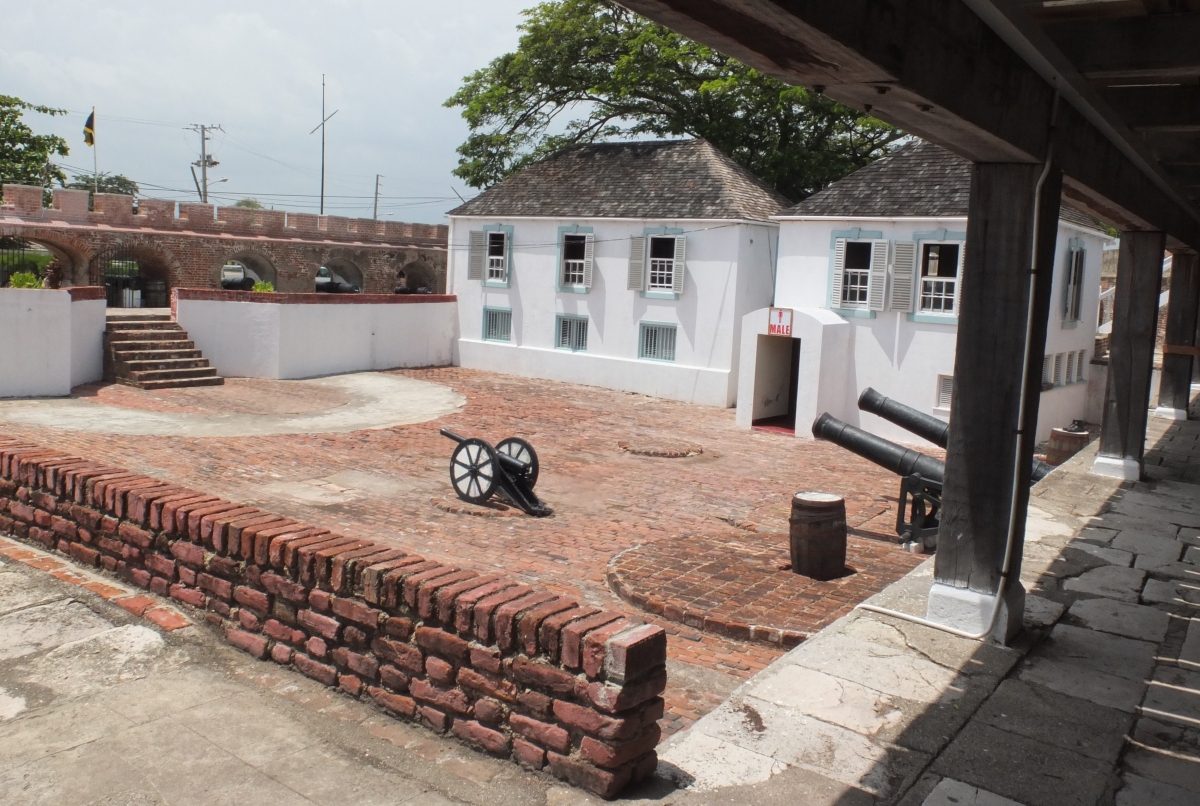
Port Royal, in southeastern Jamaica, was a major English port city in the 17th century. According to UNESCO, it was a center of transatlantic trade, which included enslaved Africans. It was also a hub for pirates. A 1692 earthquake pushed much of the town underwater.
Ecosystems of the Bijagós Islands
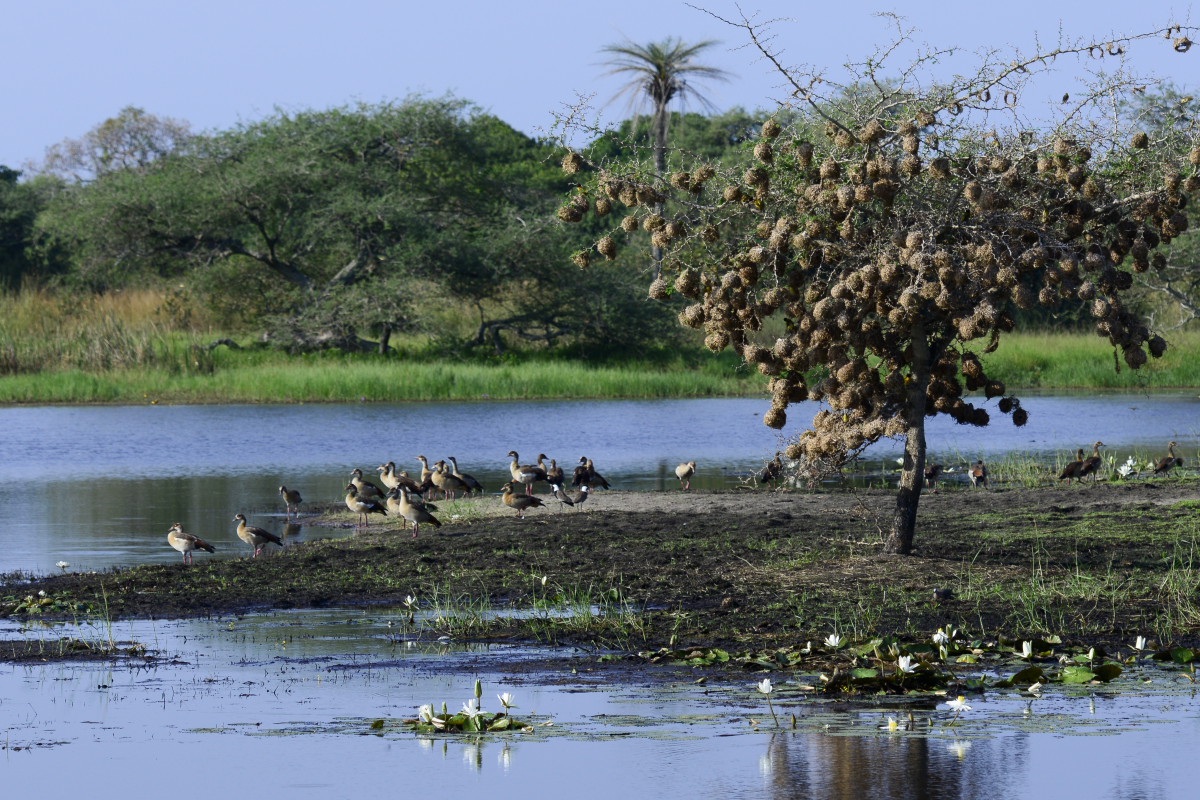
The Bijagós Archipelago, off the coast of Guinea-Bissau, is known for its biodiversity. It’s home to “endangered Green and Leatherback turtles, manatees, dolphins, and over 870,000 migratory shorebirds,” UNESCO says.
Memorials to the Cambodian genocide

The communist Khmer Rouge regime was responsible for the deaths of some 1.7 million Cambodians in the 1970s. Two former prisons and an execution site are included in the World Heritage List designation. An international tribunal ended its work in 2022, holding just three senior Khmer Rouge members accountable for the regime’s crimes.
The full list of new sites for 2025
- Cambodian Memorial Sites: From centres of repression to places of peace and reflection (Cambodia)
- Coastal and Marine Ecosystems of the Bijagós Archipelago – Omatí Minhô (Guinea-Bissau)
- Cultural Heritage Sites of Ancient Khuttal (Tajikistan)
- Diy-Gid-Biy Cultural Landscape of the Mandara Mountains (Cameroon)
- Faya Palaeolandscape (United Arab Emirates)
- Forest Research Institute Malaysia Forest Park Selangor (Malaysia)
- Funerary Tradition in the Prehistory of Sardinia – The domus de janas (Italy)
- Gola-Tiwai Complex (Sierra Leone)
- Maratha Military Landscapes of India (India)
- Megaliths of Carnac and of the shores of Morbihan (France)
- Minoan Palatial Centres (Greece)
- Mount Kumgang – Diamond Mountain from the Sea (North Korea)
- Mount Mulanje Cultural Landscape (Malawi)
- Møns Klint (Denmark)
- Murujuga Cultural Landscape (Australia)
- Peruaçu River Canyon (Brazil)
- Petroglyphs along the Bangucheon Stream (South Korea)
- Prehistoric Sites of the Khorramabad Valley (Iran)
- Rock Paintings of Shulgan-Tash Cave (Russia)
- Sardis and the Lydian Tumuli of Bin Tepe (Turkey)
- The Archaeological Ensemble of 17th Century Port Royal (Jamaica)
- The Colonial Transisthmian Route of Panamá (Panama)
- The Palaces of King Ludwig II of Bavaria: Neuschwanstein, Linderhof, Schachen and Herrenchiemsee (Germany)
- Wixárika Route through Sacred Sites to Wirikuta (Tatehuarí Huajuyé) (Mexico)
- Xixia Imperial Tombs (China)
- Yen Tu-Vinh Nghiem-Con Son, Kiep Bac Complex of Monuments and Landscapes (Vietnam)
The committee also approved extending two existing national parks that were already listed. Vietnam’s Phong Nha-Ke Bang National Park was extended to include the adjoining Hin Nam No National Park in Laos. And South Africa’s iSimangaliso Wetland Park, listed in 1999, was extended to include Maputo National Park in Mozambique.

Judge rules 7-foot center Charles Bediako is no longer eligible to play for Alabama
Bediako was playing under a temporary restraining order that allowed the former NBA G League player to join Alabama in the middle of the season despite questions regarding his collegiate eligibility.

American Ben Ogden wins silver, breaking 50 year medal drought for U.S. men’s cross-country skiing
Ben Ogden of Vermont skied powerfully, finishing just behind Johannes Hoesflot Klaebo of Norway. It was the first Olympic medal for a U.S. men's cross-country skier since 1976.
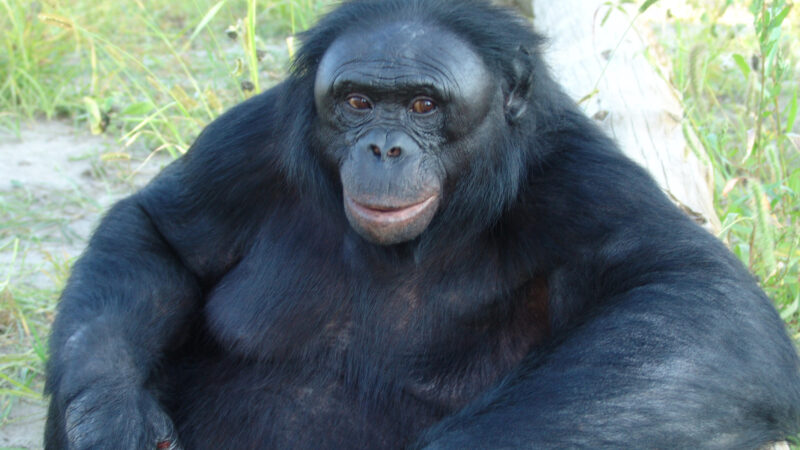
An ape, a tea party — and the ability to imagine
The ability to imagine — to play pretend — has long been thought to be unique to humans. A new study suggests one of our closest living relatives can do it too.
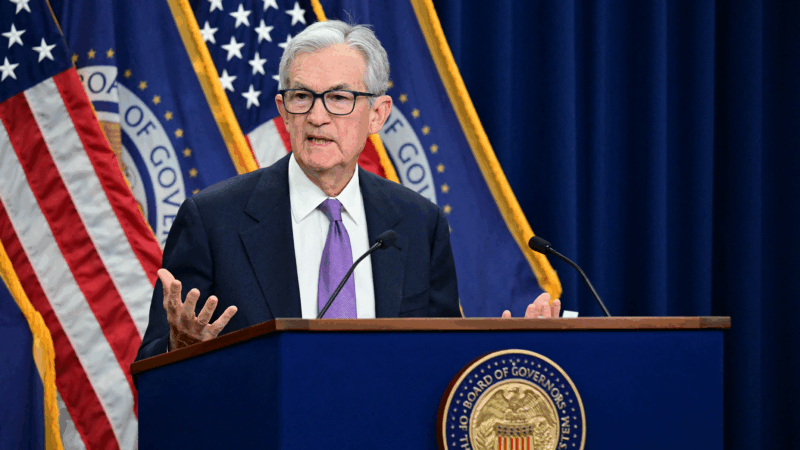
How much power does the Fed chair really have?
On paper, the Fed chair is just one vote among many. In practice, the job carries far more influence. We analyze what gives the Fed chair power.
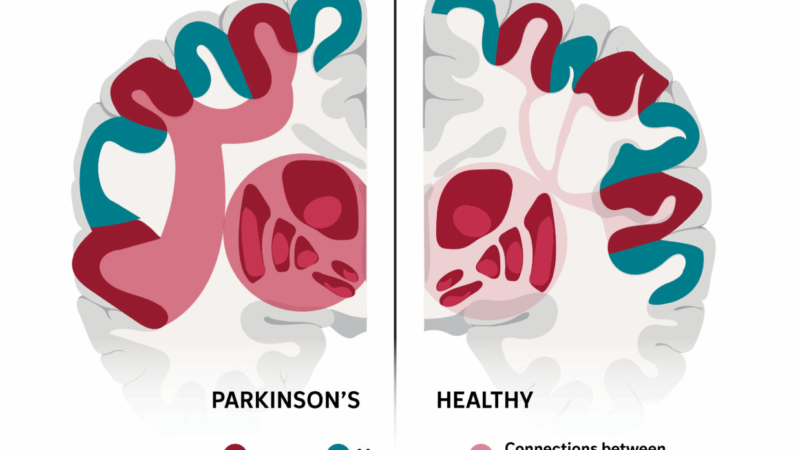
This complex brain network may explain many of Parkinson’s stranger symptoms
Parkinson's disease appears to disrupt a brain network involved in everything from movement to memory.
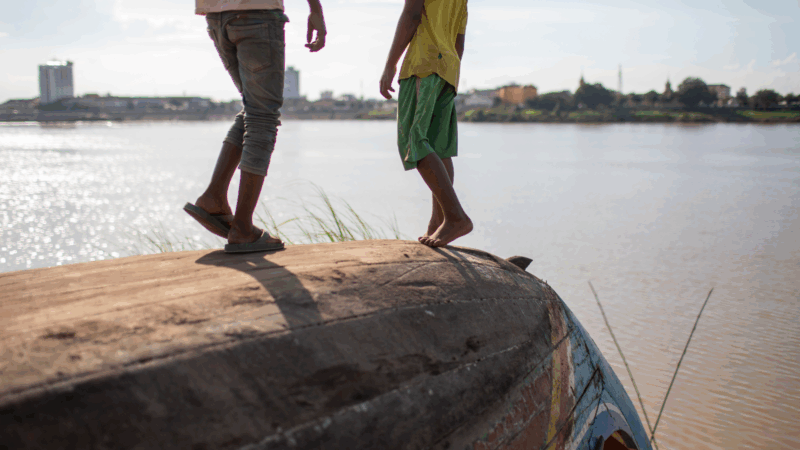
‘Please inform your friends’: The quest to make weather warnings universal
People in poor countries often get little or no warning about floods, storms and other deadly weather. Local efforts are changing that, and saving lives.
