
Heart disease deaths declined. And here’s how to reduce your risk of the #1 killer

About every 34 seconds, someone, somewhere in the United States dies from heart disease — which remains the leading cause of death for both men and women, according to the American Heart Association. But a new study from the AHA says deaths caused by strokes and other heart conditions are on the decline.
There were about 25,000 fewer deaths from cardiovascular disease and strokes in 2023, compared to 2022, the most recent data available, the annual report released Wednesday says.
Deaths due to heart disease rose during the pandemic.
“I think the last five years, as health overall was impacted by the COVID pandemic, was something of an anomaly,” says Dr. Stacey Rosen, a cardiologist who is the executive director of the Katz Institute for Women’s Health at Northwell Health in New York, and the president of the American Heart Association.
So, what will it take to keep the positive momentum going?
Rosen says a preventive strategy should encompass the health care system and each person as an individual — and it should focus on the conditions that set the stage for heart disease.
For instance, everyone should know whether or not they have high blood pressure — also known as hypertension.
“When you look at the U.S. statistics, there’s actually almost 50% of Americans who have the diagnosis of hypertension,” says Rosen. “And it is truly, aside from quitting tobacco, the most modifiable risk that we have.”
Many people don’t realize they have high blood pressure because it doesn’t bring on any specific symptoms. That’s why check-ups are important — and the good news is that treating high blood pressure with medicine and lifestyle changes can literally prevent heart disease, explains Dr. Sadiya Khan of Northwestern University. She’s part of the team behind the new report.
“Improving high blood pressure with medicine has never been easier,” Khan says. “There are so many inexpensive therapies available, and getting blood pressure under control can add years to life as well as prevent heart disease, stroke and dementia.”
Two more drivers of heart disease are obesity and diabetes, which can also be managed with a combination of medicines and changes in lifestyle habits including eating better and moving more. Community-level policy changes, like adding green spaces where people can exercise safely is important, Khan says.
“Having environments that promote activity can help us make healthier choices,” Khan says.
Public health experts have laid out lots of ideas of policy changes that could support healthy communities and help lower the risk of heart disease. Initiatives include things like reducing sodium in the food supply (given excess salt in food is a driver of hypertension), and expanding health care initiatives focused on diabetes prevention, obesity treatment, and financial incentives to achieve cardiovascular risk factor reduction.
“”There are many options and ways to move forward,” says Dr. Anand Parekh of the University of Michigan. Parekh wrote the policy paper for the AHA.
None of us can make policy changes on our own, but there are lots of opportunities to tweak our daily habits in a way that can protect our hearts. The American Heart Association promotes “Life’s Essential 8,” which includes a focus on diet, physical activity, sleep, quitting tobacco, as well as managing blood sugar, blood pressure, cholesterol and weight.
“There’s tremendous data that shows the importance of Life’s Essential 8,” says Rosen, pointing to the “enormous” impact in reducing your risk of heart disease by following this advice.
Changing your habits can feel overwhelming, so Rosen recommends starting with small, specific, bite-sized goals: “So rather than saying, ‘I’m going to lose weight’, ‘I’m going to exercise more’, say ‘I’m going to take the stairs twice a day, every day’, ‘I’m going to not have a breadbasket if I go out for a meal’.”
Celebrating small wins is a nice on-ramp to healthier habits, which can help fend off heart disease. Rosen points to an example in her own life, when the evidence became clear that sufficient sleep can help protect the heart.
“I was somebody who didn’t focus on sleep as being a personal priority,” she says. A few years ago she changed her habits and routines, aiming to get plenty of rest . “It has absolutely made a difference.”
Transcript:
SCOTT DETROW, HOST:
Next up, some good news about heart disease. Deaths caused by strokes and other heart conditions are on the decline. That’s according to a new study from the American Heart Association. So what will it take to keep the momentum going? NPR’s Allison Aubrey reports.
ALLISON AUBREY, BYLINE: About every 34 seconds, someone somewhere in the U.S. dies from heart disease, which remains the leading cause of death for both men and women. So the news of a decline is striking. Here’s cardiologist Dr. Stacey Rosen of the American Heart Association.
STACEY ROSEN: The good news is encouraging to see, that deaths from heart disease and stroke are down. And I think that’s very good and certainly puts us in the right direction.
AUBREY: Rosen says emerging from the long shadow of the pandemic helps explain the dip, which amounts to about 25,000 fewer deaths in 2023 compared to the year before.
ROSEN: I think the last five years, as health overall was impacted by the COVID pandemic, was something of a anomaly.
AUBREY: Now the challenge is to maintain the positive momentum, which Rosen says will require a preventive strategy, where the health care system and each person as an individual focus more on the conditions that set the stage for heart disease. For starters, everyone should know whether they have high blood pressure, also known as hypertension.
ROSEN: When you look at the United States’ statistics, there’s actually almost 50% of Americans have the diagnosis of hypertension. And it is truly, aside from quitting tobacco, the most modifiable risk that we have.
AUBREY: Many people don’t realize they have high blood pressure because it doesn’t bring any specific symptoms. That’s why checkups are important. And the good news is that treating high blood pressure with medicine and lifestyle changes can literally prevent heart disease, explains Sadiya Khan of Northwestern University. She’s part of the team behind the new report.
SADIYA KHAN: Improving high blood pressure with medicine has never been easier. There are so many inexpensive therapies available. And getting blood pressure under control can add years to life, as well as prevent heart disease, stroke and dementia.
AUBREY: Two additional drivers of heart disease are obesity and diabetes, which can also be managed with a combination of medicines and changes in lifestyle habits, including eating better and moving more. Dr. Khan says, to make progress, community-level policy changes could help.
KHAN: Having environments that promote activity can help us make healthier choices. And so thinking about policies on a local level that can create more green spaces for having safe places to exercise.
AUBREY: And when it comes to individual changes, Dr. Stacey Rosen says it can be best to start with small, bite-sized goals.
ROSEN: So rather than saying, I’m going to lose weight, I’m going to exercise more, say, I’m going to take the stairs twice a day every day. I’m going to not have a breadbasket if I go out for a meal.
AUBREY: Celebrating small wins is a nice on-ramp to healthier habits, which can help fend off heart disease.
Allison Aubrey, NPR News.
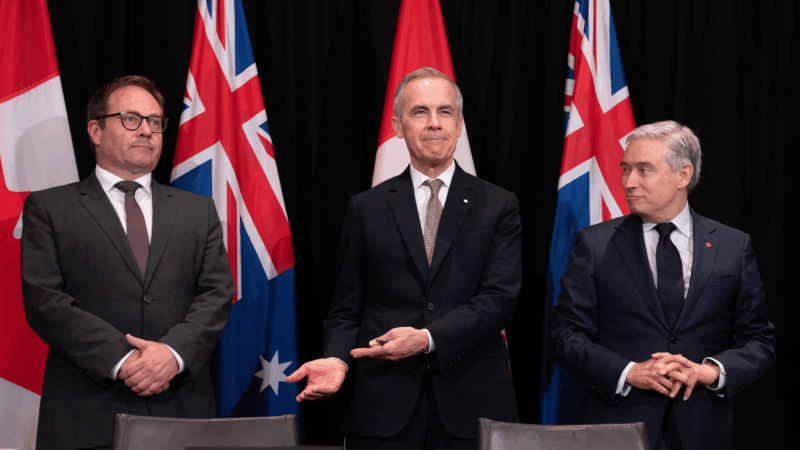
Carney says he backs strikes on Iran ‘with some regret’ as world order frays
Canadian Prime Minister Mark Carney says he supports the strikes on Iran "with some regret" as they represent an extreme example of a rupturing world order.
Iranian civilians are now fleeing the relentless bombing for neighboring Turkey
As the U.S. military broadens its strikes in Iran, traumatized Iranians are reaching the border with Turkey.

A split Senate votes against measure to constrain Trump’s authorities in Iran
Democrats in the Senate were facing an uphill climb Wednesday in their push to restrain President Trump's ability to wage war against Iran.
WATCH: How traffic dried up in the Strait of Hormuz since the Iran war began
The effective closure of the Strait of Hormuz is "about as wrong as things could go" for global oil markets. Iran achieved it not with a naval blockade, but with cheap drones.
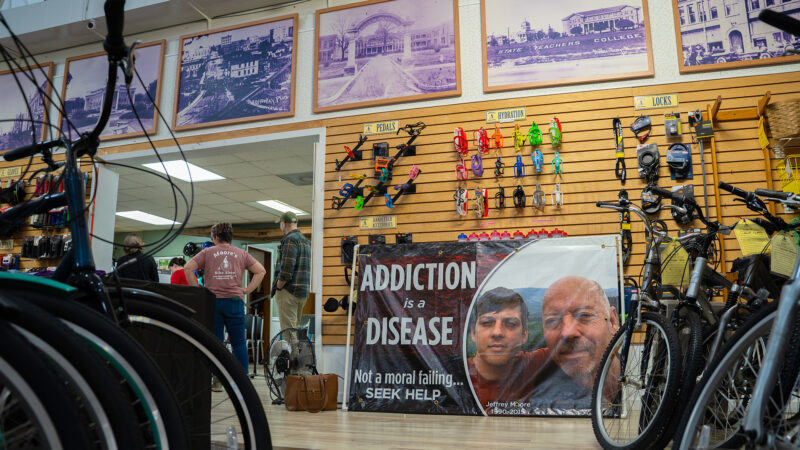
As Mississippi waits to spend opioid settlement funds, children and families suffer
Mississippi will receive more than $400M to fight the opioid epidemic. So far, officials haven't directed it toward programs that support addiction recovery.
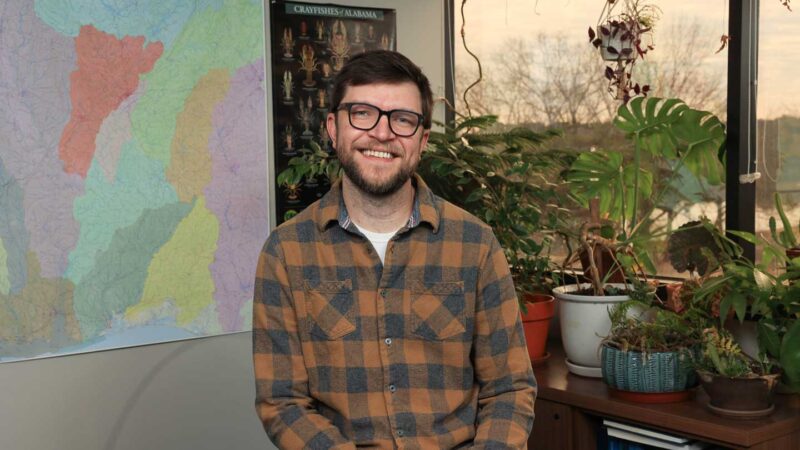
Alabama’s new state climatologist takes the reins
The controversial John Christy is retiring as Alabama’s state climatologist. Lee Ellenburg now assumes the role and is already making a few changes, including declaring that climate change is real and caused by humans.
