
Harvard sues Trump administration to stop a freeze of more than $2 billion in grants
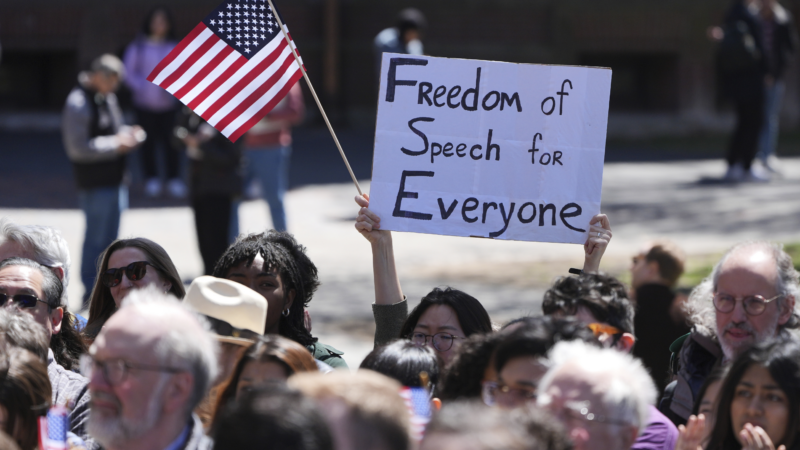
BOSTON — Harvard University announced Monday that it has filed suit to halt a federal freeze on more than $2.2 billion in grants after the institution said it would defy the Trump administration’s demands to limit activism on campus.
In an April 11 letter to Harvard, the Trump administration had called for broad government and leadership reforms at the university and changes to its admissions policies. It also demanded the university audit views of diversity on campus and stop recognizing some student clubs. The administration has argued universities allowed antisemitism to go unchecked at campus protests last year against Israel’s war in Gaza.
Harvard President Alan Garber said the university would not bend to the demands. Hours later, the government froze billions of dollars in federal funding.
“The Government has not — and cannot — identify any rational connection between antisemitism concerns and the medical, scientific, technological, and other research it has frozen that aims to save American lives, foster American success, preserve American security, and maintain America’s position as a global leader in innovation,” said the lawsuit, filed in Boston federal court.
“Nor has the Government acknowledged the significant consequences that the indefinite freeze of billions of dollars in federal research funding will have on Harvard’s research programs, the beneficiaries of that research, and the national interest in furthering American innovation and progress,” it added.
Harvard’s suit called the funding freeze “arbitrary and capricious,” saying it violated its First Amendment rights and the statutory provisions of Title VI of the Civil Rights Act.
Within hours, the White House lashed back.
“The gravy train of federal assistance to institutions like Harvard, which enrich their grossly overpaid bureaucrats with tax dollars from struggling American families is coming to an end,” White House spokesman Harrison Fields said in an email Monday. “Taxpayer funds are a privilege, and Harvard fails to meet the basic conditions required to access that privilege.”
For the Trump administration, Harvard presents the first major hurdle in its attempt to force change at universities that Republicans say have become hotbeds of liberalism and antisemitism. A part of that is targeting research funding which has fueled scientific breakthroughs but has become an easy source of leverage for the Trump administration.
In its letter earlier this month, the administration told Harvard to impose tougher discipline on protesters and to screen international students for those who are “hostile to the American values.”
It also called for broad leadership reforms at the university, admissions policy changes and the end of college recognition for some student clubs. The government also demanded Harvard audit its faculty and student body to ensure wide viewpoints in every department and, if necessary, diversify by admitting additional students and hiring new faculty.
Last Monday, Harvard said it would not comply, citing the First Amendment. The following day, Trump took to his Truth Social platform, questioning whether the university should lose its tax-exempt status “if it keeps pushing political, ideological, and terrorist inspired/supporting ‘Sickness?'”
The lawsuit follows one filed earlier this month by the American Association of University Professors demanding a federal judge declare unlawful and put aside a pending review and investigation of Harvard’s funding.
The university frames the government’s demands as a threat not only to the Ivy League school but to the autonomy the Supreme Court has long granted American universities.
“Today, we stand for the values that have made American higher education a beacon for the world,” Garber wrote Monday to the Harvard community.
“We stand for the truth that colleges and universities across the country can embrace and honor their legal obligations and best fulfill their essential role in society without improper government intrusion,” he added.
Anurima Bhargava, one of the alumni who has encouraged Harvard to take a tougher stand against the administration, praised the filing of the lawsuit.
“The Trump administration continues its reckless and unlawful attack for power and control over Harvard, slashing billions in funding for scientific research and innovation that improves and saves lives,” she said. “Today, Harvard once again refused to accede to the administration’s dangerous and escalating demands.”
The American Council on Education, a nonprofit with more than 1,600 member colleges and universities, applauded Harvard.
“It has been clear for weeks that the administration’s actions violated due process and the rule of law. We applaud Harvard for taking this step and look forward to a clear and unambiguous statement by the court rebuking efforts to undermine scholarship and science,” said Ted Mitchell, the council’s president.
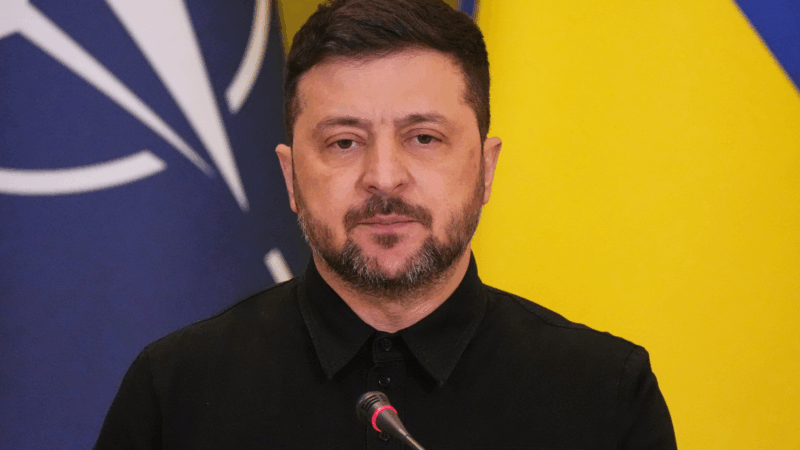
U.S. gave Ukraine and Russia June deadline to reach peace agreement, Zelenskyy says
"The Americans are proposing the parties end the war by the beginning of this summer," Zelenskyy said, speaking to reporters on Friday.
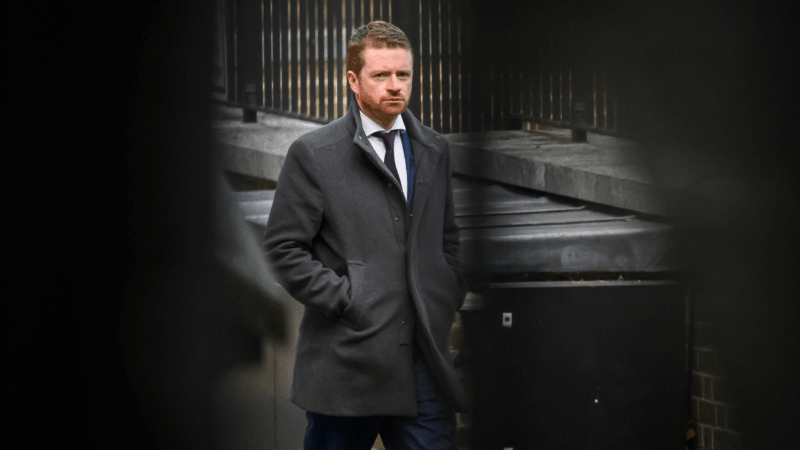
U.K. leader’s chief of staff quits over hiring of Epstein friend as U.S. ambassador
British Prime Minister Keir Starmer's chief of staff resigned Sunday over the furor surrounding the appointment of Peter Mandelson as U.K. ambassador to the U.S. despite his ties to Jeffrey Epstein.
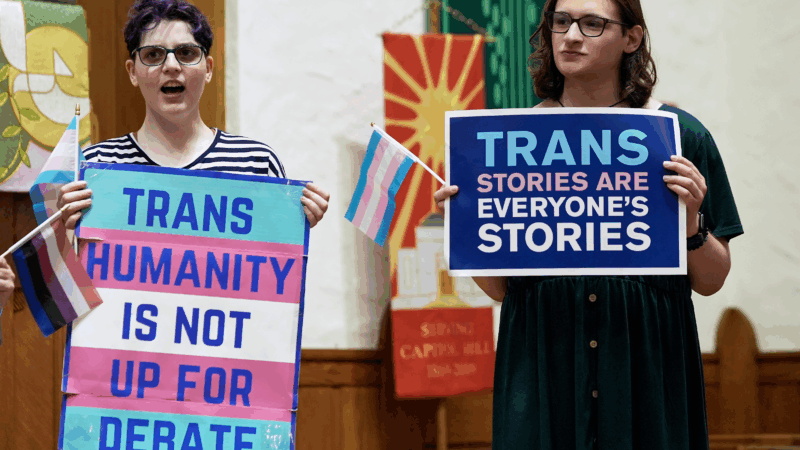
Trump administration lauds plastic surgeons’ statement on trans surgery for minors
A patient who came to regret the top surgery she got as a teen won a $2 million malpractice suit. Then, the American Society of Plastic Surgeons clarified its position that surgery is not recommended for transgender minors.
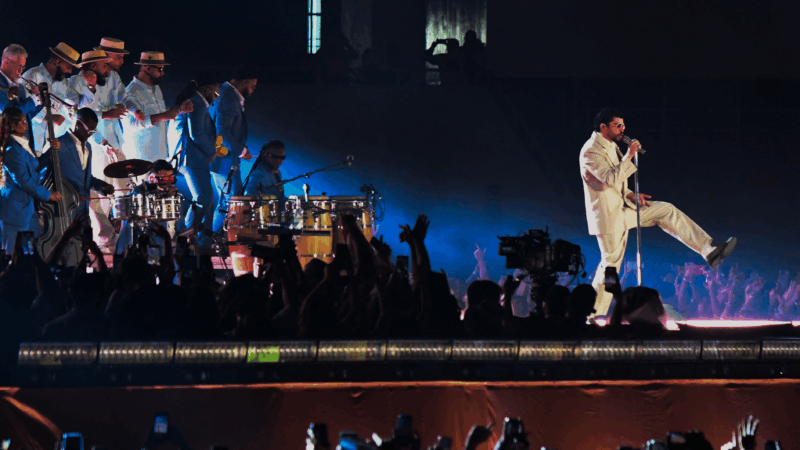
What you should know about Bad Bunny’s Super Bowl halftime show
Will the Puerto Rican superstar bring out any special guests? Will there be controversy? Here's what you should know about what could be the most significant concert of the year.

Sunday Puzzle: -IUM Pandemonium
NPR's Ayesha Rascoe plays the puzzle with KPBS listener Anthony Baio and Weekend Edition Puzzlemaster Will Shortz.
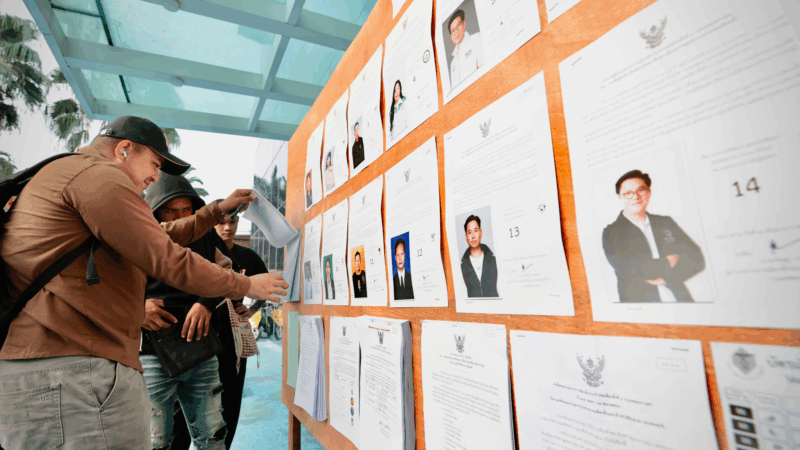
Thailand counts votes in early election with 3 main parties vying for power
Vote counting was underway in Thailand's early general election on Sunday, seen as a three-way race among competing visions of progressive, populist and old-fashioned patronage politics.
