
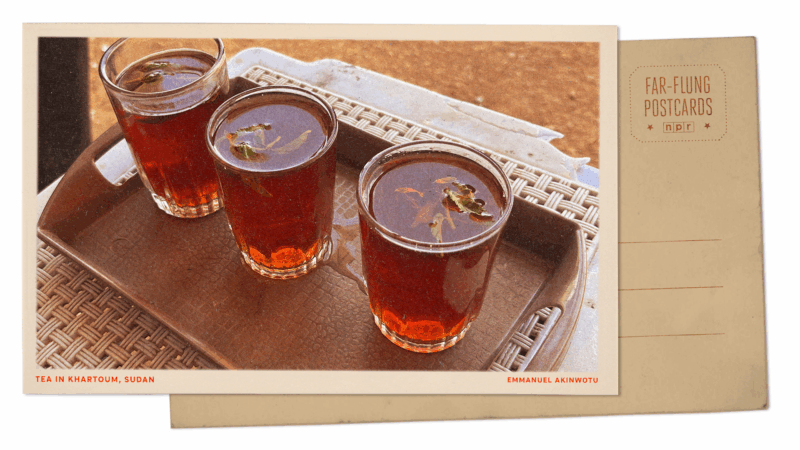
Greetings from Khartoum, Sudan, where those with the least offer their guests the most
Far-Flung Postcards is a weekly series in which NPR’s international team shares moments from their lives and work around the world.
In April, I visited the Sudanese capital, Khartoum, a few months after it was recaptured by the Sudanese army. After more than two years of civil war, the scale of obliteration was utterly tragic. One of Africa’s most vibrant cities — which I’d first visited in 2020 — had become a shell of itself.
Most of Khartoum was eerily empty. But a few people remained. Some had survived a brutal occupation by the paramilitary group at war with the army. Others — among more than 6 million people displaced from Khartoum — were just beginning to return.
For about five days, my Sudanese colleagues — journalist Ammar Awad and photographer Faiz Abubakr — and I met as many Khartoum residents as we could. Some had been tortured, or lost family members, or belongings. They welcomed us into their homes on the verge of collapse, in buildings hammered by artillery and gunfire.
We were constantly confronted with a kind of stubborn, irrepressible hospitality. Each of these interviews generally began with them offering Sudanese coffee or tea, the coffee often black and dense, the tea black or mahogany-red, sometimes with cinnamon leaves.
Glass after glass, interview after interview. After two or three — my ideal maximum for a day — this deluge of tea and coffee became testing.
Sometimes my polite refusal was enough. Other times, it was swatted away with the arrival of yet another tray — another set of glasses and a bowl of sugar, sometimes served with dates and water.
After a few days, I started to take pictures of this gently relentless ritual of kindness — offered by people fortunate to survive the war with enough to sustain themselves, and by others left with virtually nothing.
See more photos from around the world:
- Greetings from Moscow, Russia, where Lenin’s tomb attracts a new surge of visitors
- Greetings from New Delhi, India, where performing monkeys spark delight — and ambivalence
- Greetings from Damascus, Syria, where a crowded bar welcomed post-Assad revelers
- Greetings from Alishan, Taiwan, whose red cypress forests offer timeless beauty
- Greetings from Odesa, Ukraine, where a Black Sea beach offers respite from war
- Greetings from Shenyang, China, where workers sort AI data in ‘Severance’-like ways
- Greetings from Palmyra, Syria, with its once-grand hotel named for a warrior queen
- Greetings from Mexico City, where these dogs ride a bus to and from school
- Greetings from the Galápagos Islands, where the blue-footed booby shows its colors
- Greetings from Afrin, Syria, where Kurds danced their hearts out to celebrate spring
- Greetings from Dharamshala, India, where these Tibetan kids were having the best time
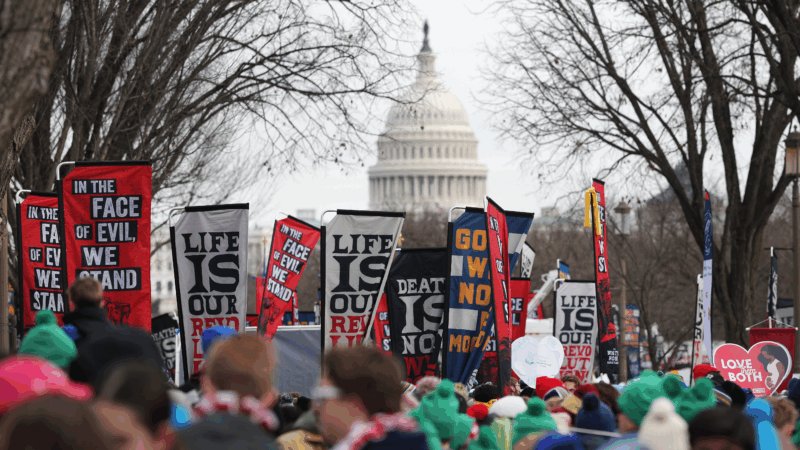
March for Life attendees may have been exposed to measles, DC Health warns
D.C. health officials are contacting people possibly exposed to measles at the March for Life in January, as confirmed cases rise nationwide.
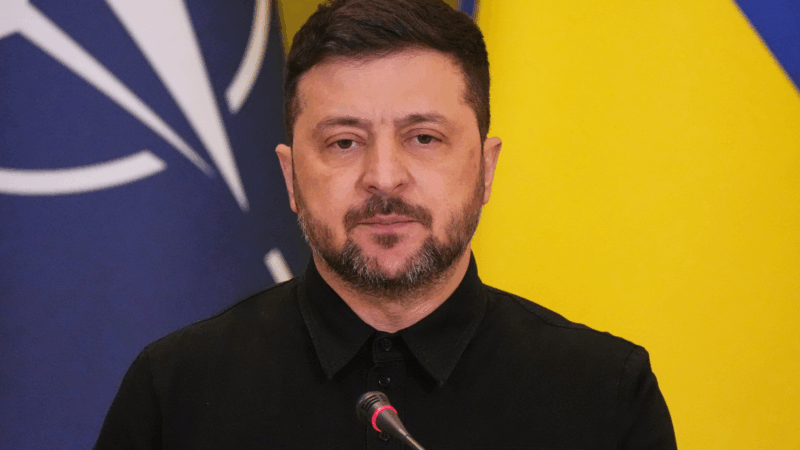
U.S. gave Ukraine and Russia June deadline to reach peace agreement, Zelenskyy says
"The Americans are proposing the parties end the war by the beginning of this summer," Zelenskyy said, speaking to reporters on Friday.
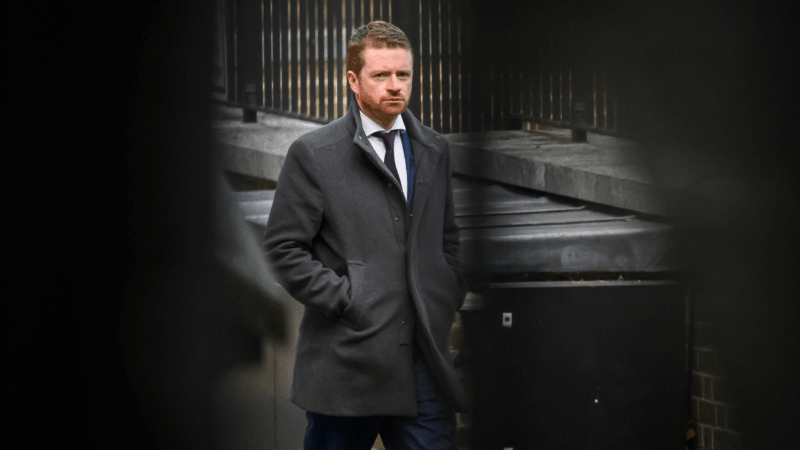
U.K. leader’s chief of staff quits over hiring of Epstein friend as U.S. ambassador
British Prime Minister Keir Starmer's chief of staff resigned Sunday over the furor surrounding the appointment of Peter Mandelson as U.K. ambassador to the U.S. despite his ties to Jeffrey Epstein.
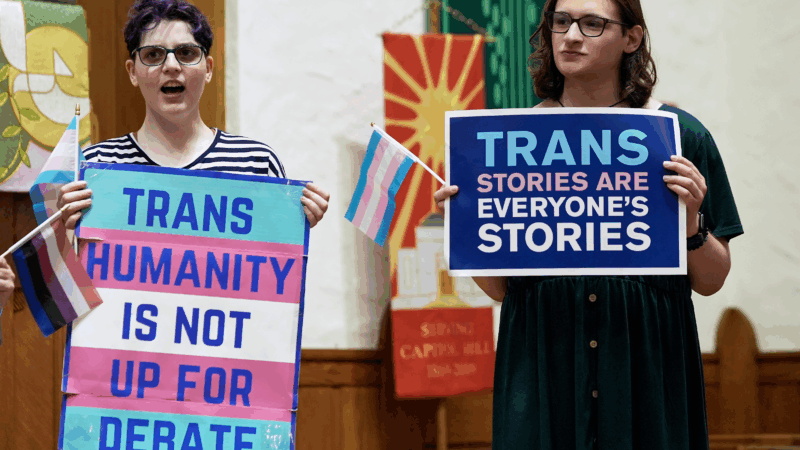
Trump administration lauds plastic surgeons’ statement on trans surgery for minors
A patient who came to regret the top surgery she got as a teen won a $2 million malpractice suit. Then, the American Society of Plastic Surgeons clarified its position that surgery is not recommended for transgender minors.
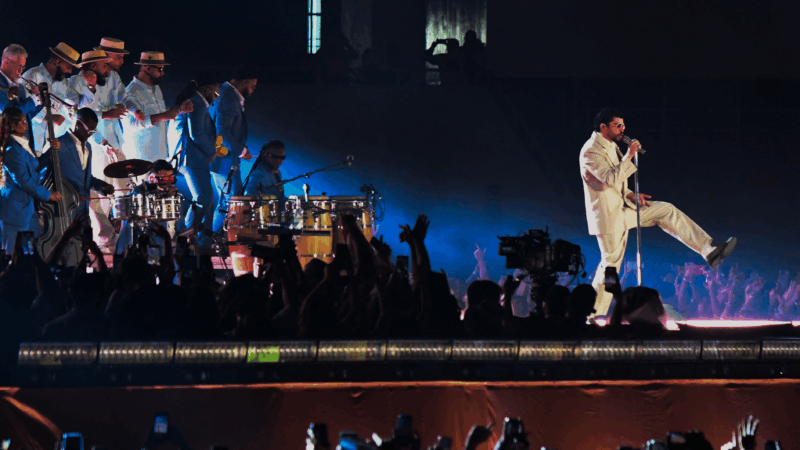
What you should know about Bad Bunny’s Super Bowl halftime show
Will the Puerto Rican superstar bring out any special guests? Will there be controversy? Here's what you should know about what could be the most significant concert of the year.

Sunday Puzzle: -IUM Pandemonium
NPR's Ayesha Rascoe plays the puzzle with KPBS listener Anthony Baio and Weekend Edition Puzzlemaster Will Shortz.
