
Funding cut for landmark study of women’s health
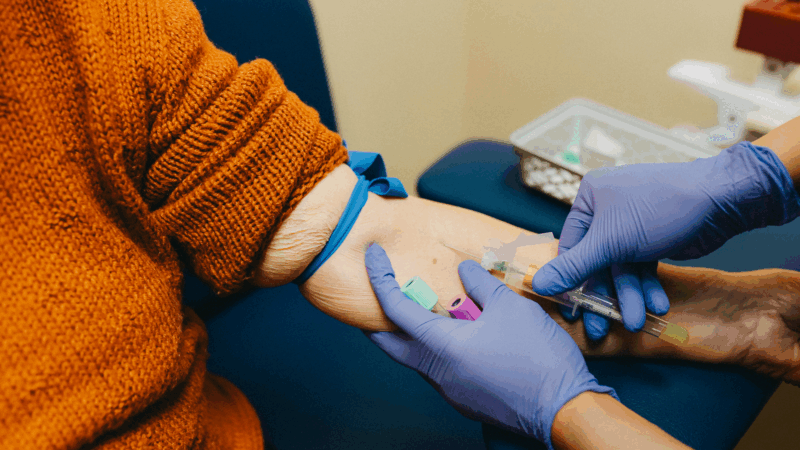
The Trump administration is shutting down most of a landmark federal project studying women’s health, stunning researchers around the country.
“It’s a huge loss. I can’t put into words what a huge loss it is,” says Marian Neuhouser, who chairs the steering committee for the federally funded Women’s Health Initiative. The study, begun in the 1990s, has produced a series of groundbreaking results and was continuing to gather valuable data about women’s health.
The Department of Health and Human Services is terminating contracts with all four regional centers that have been following tens of thousands of women who have been participating in the project for decades, according to the project’s coordinating center.
Neither the National Institutes of Health, which funds the study, nor HHS, which oversees the NIH, responded to NPR’s questions about the matter.
But Neuhouser says HHS notified the project’s four regional centers in California, New York, Ohio and North Carolina that their contracts for collecting data will be terminated in September.
Funding cut comes amid broader federal health pullback
The decision comes as the Trump administration has been demanding all federal health agencies cut what they spend on contracts by at least 35%, in addition to massive layoffs, grant terminations and other cuts.
“We’re all shocked. It feels like being punched in the gut,” says Dr. Marcia Stefanick, who leads the coordinating center at Stanford University. “It’s just outrageous. It’s such an important study. It’s devastating. It just feels terrible.”
Others said the decision is ironic given that the new administration has made fighting chronic diseases a top priority. The initiative is uniquely positioned to produce important new insights into many chronic diseases, including Alzheimer’s and other forms of dementia, Stefanick and others say.
“No study is a better example of the enormous scientific impact of research on the prevention of chronic disease in the population, which is one of the stated priorities of the HHS leadership,” says Dr. JoAnn Manson of the Harvard Medical School, a long-term principal investigator with the initiative. “The funding cuts to the Women’s Health Initiative will deal a devastating blow to all older adults.”
The NIH launched the initiative in the 1990s because most medical research had been conducted in men. The lack of women in studies raised crucial questions about whether their findings applied to women and it left unanswered health questions unique to women.
“When WHI was formed there was a need to understand women’s health because so little had been funded in women’s health,” says Jean Wactawski-Wende, who leads another regional center at the University at Buffalo, whose $1.2 million contract is being terminated.
Scientists at more than 40 research centers around the country started collecting detailed information about more than 160,000 women, including data about their diets, exercise, medications and illnesses.
Study overturned dogma
And over the years, the project produced a series of landmark discoveries. Probably the most well known was the recognition that taking hormones starting in menopause does not protect a woman’s heart, which had been the medical dogma for years. Later findings supported the use of hormones to ease symptoms of menopause.
The initiative also produced important findings about whether taking vitamins like vitamin D and calcium can decrease the risk for osteoporosis and cancer. The study found no benefit.
“It’s a huge blow,” says Wactawski-Wade. “It’s been one of the most productive studies in history. And to really understand older women’s health — dementia, heart failure, frailty — we are the study to do that. And it’s been eviscerated right now because of these budget cuts.”
Wactawski-Wade and the other coordinating centers will cease collecting any new data from more than 40,000 women who are still in the study. The researchers are starting to notify the now older women in the study that their participation will be ending.
The fate of the study’s coordinating center at the Fred Hutch Cancer Center is unknown. The project says HHS has informed it that the coordinating center’s funding will continue through January, but what happens after that remains “unclear.”
One big question is what will happen to the huge repository of data, including blood and urine samples and genetic material, which represents a treasure trove that could be mined to make yet more important discoveries.
“We are really the guardians of the database – the biorepository,” says Neuhouser. “There’s a glimmer of hope that we might be able to continue, but we don’t know.”
Bill making the Public Service Commission an appointed board is dead for the session
Usually when discussing legislative action, the focus is on what's moving forward. But plenty of bills in a legislature stall or even die. Leaders in the Alabama legislature say a bill involving the Public Service Commission is dead for the session. We get details on that from Todd Stacy, host of Capitol Journal on Alabama Public Television.
My doctor keeps focusing on my weight. What other health metrics matter more?
Our Real Talk with a Doc columnist explains how to push back if your doctor's obsessed with weight loss. And what other health metrics matter more instead.

Baz Luhrmann will make you fall in love with Elvis Presley
The new movie is made up of footage originally shot in the early 1970s, which Luhrmann found in storage in a Kansas salt mine.

Forget the State of the Union. What’s the state of your quiz score?
What's the state of your union, quiz-wise? Find out!

A team of midlife cheerleaders in Ukraine refuses to let war defeat them
Ukrainian women in their 50s and 60s say they've embraced cheerleading as a way to cope with the extreme stress and anxiety of four years of Russia's full-scale invasion.
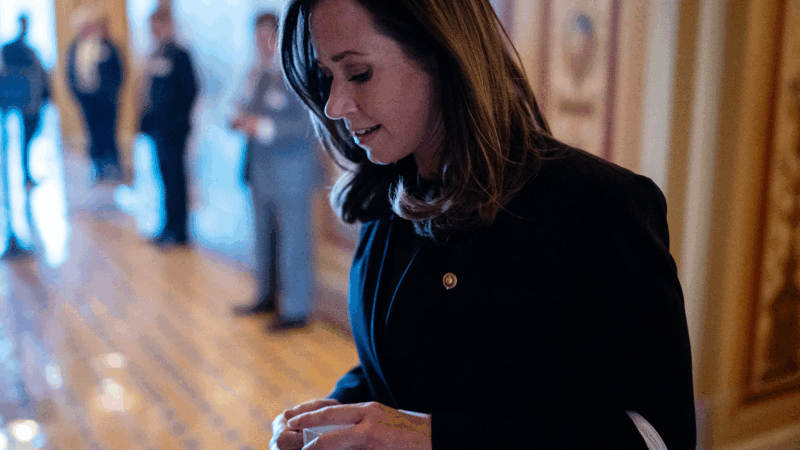
SNL mocked her as a ‘scary mom.’ In the Senate, Katie Britt is an emerging dealmaker
Sen. Katie Britt, Republican of Alabama, is a budding bipartisan dealmaker. Her latest assignment: helping negotiate changes to immigration enforcement tactics.
