
Free speech lawsuits mount after Charlie Kirk assassination
Five months after the assassination of right-wing activist Charlie Kirk, a wave of lawsuits reveals how Americans were investigated, fired, and in one case, arrested for their online reactions to his death.
The most dramatic case involves Larry Bushart, a retired police officer in Lexington, Tenn. A self-described progressive and “keyboard warrior,” he’d been posting memes that mocked Republican officials’ mourning over Kirk. Then local police came to his door.
“They were very vague. I don’t think they understood why they were there, but that it involved a Facebook post,” Bushart recalls.
The local police had been sent there at the request of Sheriff Nick Weems of Perry County, Tenn. He objected to a post that quoted President Trump telling people to “get over” a school shooting in Iowa two years ago — which Bushart says was meant to contrast with the call to memorialize Kirk. But the sheriff said it could be interpreted as a threat against the high school in his county, which shares the name of the school mentioned in the Trump meme.
“I knew that I’d threatened no one, and the conversation wasn’t even about their local school or community,” Bushart says. “I thought, ‘No, we were having a conversation about Charlie Kirk, his death and your desire to hold memorial services for him.'”
The sheriff had him arrested. Weems wouldn’t speak to NPR, but last fall he spoke to NewsChannel Five in Nashville. At the time, he blamed Bushart for refusing to delete the post.
“We sent Lexington police department out to speak to him, and he refused to do that,” Weems said. “What kind of person does that? What kind of person says he don’t care, ‘I’m not taking it down?'”
Bushart spent 37 days in jail over that Facebook meme — unable to afford the $2 million bond. As negative publicity mounted, prosecutors dropped the charges. Now he’s suing, represented by the Foundation for Individual Rights and Expression (FIRE).
“We forget, I think, sometimes that local government officials have extraordinary power to do things like throw you in prison or yanking business permits,” says FIRE attorney David Rubin. “Anytime one of them thinks, ‘I’m going to punish someone for their speech,’ it’s a really big, huge problem.”
Rubin says his organization is also aware of at least 13 lawsuits concerning people who were fired over “Kirk-related speech.”
“Cancel culture is a really ugly thing that kind of comes from the basest instincts that we have as people,” Rubin says. “And that’s why it almost always looks like trying to get people fired because your job is your livelihood.”
Last month, the American Federation of Teachers filed a lawsuit against the Texas Education Agency for the way its leadership asked superintendents to report teachers for “inappropriate content” they may have shared about Kirk. The agency collected 354 complaints, and 95 are still being investigated. The AFT says this process — which was endorsed on X by Texas governor Greg Abbott — unleashed a “wave of retribution.”
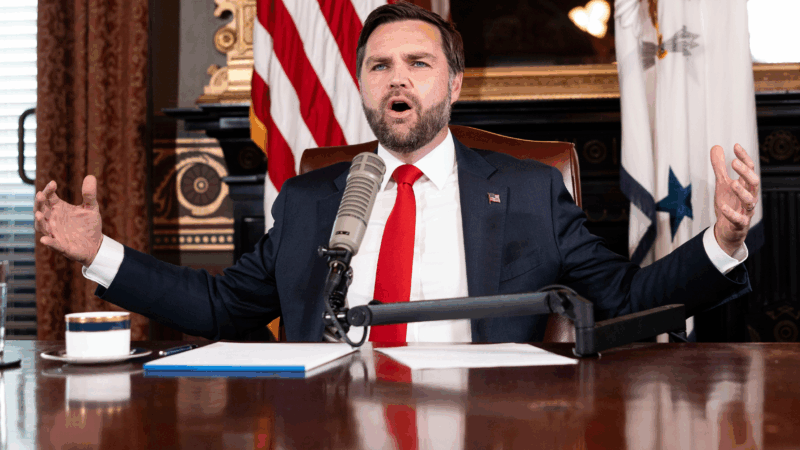
Public comments by federal officials also played a role. As he guest-hosted Kirk’s podcast days after the shooting, Vice President JD Vance invoked what he called “civil society.”
“It flows from all of us. So when you see someone celebrating Charlie’s murder, call them out, and hell, call their employer,” Vance told listeners.
Jessica Levinson, a professor at Loyola Law School in Los Angeles, sees echoes of 2020-era cancel culture in the aftermath of Kirk’s death.
“It’s the same broad idea in the sense of, ‘We want people to feel an impact, feel a consequence for their statements,'” Levinson says.
But there were crucial legal differences in 2025.
“When you have an elected official, particularly one with a lot of power like the vice president, calling for people to be fired as a result of their comments, legally the question becomes whether or not that amounts to government coercion [of employers],” she says.
Sometimes those official statements can backfire.
Last fall, an art professor at the University of South Dakota faced termination for a post that called Kirk a “hate-spreading Nazi.” When South Dakota Gov. Larry Rhoden publicly endorsed the firing on X, it may have saved the professor’s job.
“The governor’s statement made it completely clear what I think was obvious, anyway — that this was a straightforward attempt to punish this man for his lawful First Amendment protected speech,” says Jim Leach, the professor’s attorney.
A federal court granted a temporary restraining order against the firing, and the university dropped the matter.
“He was thrilled to get back in the classroom, which is where he wants to be,” Leach says.
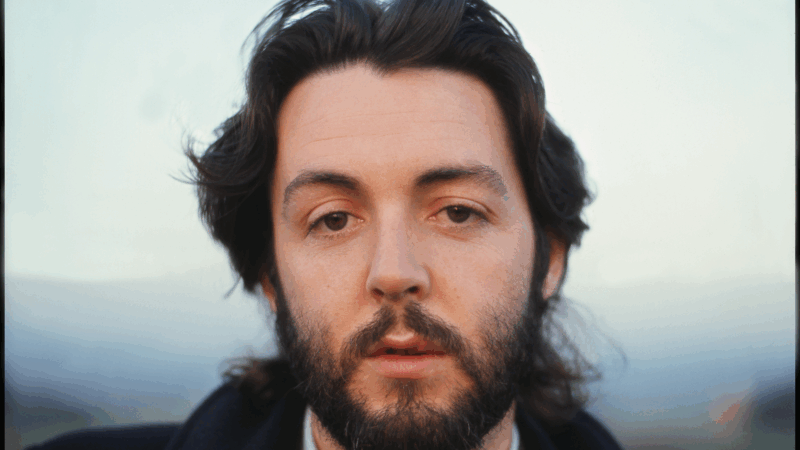
Paul McCartney’s decade of transformation: From Beatles breakup to John Lennon’s murder
Man on the Run shows McCartney's effort to define himself outside The Beatles' shadow: "Paul making this documentary was a way of coming to terms with that whole period," says director Morgan Neville.

A Biden-era rule sought to stabilize child care. Why Trump wants it gone
The Trump administration has proposed repealing a Biden-era rule that required states to change how they pay out child care subsidies, citing the potential for fraud.

Greetings from Southwest Papua, which has some of the world’s richest marine biodiversity
The Raja Ampat islands in Indonesia's Southwest Papua province are a marine biodiversity hotspot and a divers' paradise.
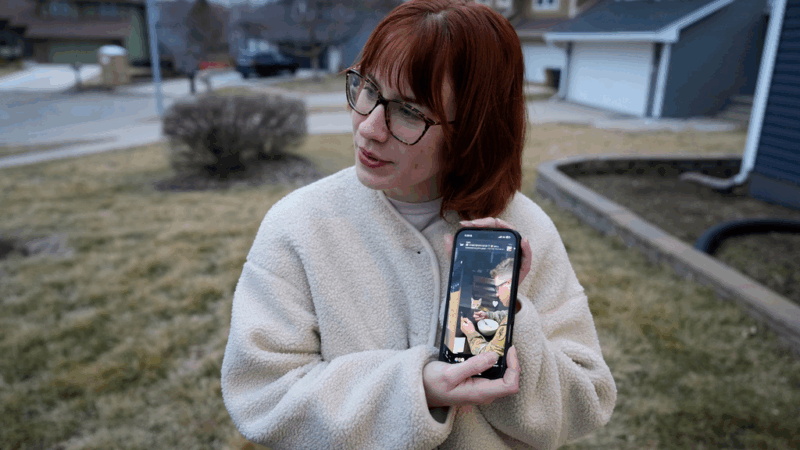
Families remember U.S. reservists killed in Kuwait, members of an Iowa logistics unit
Four U.S. soldiers were killed in the Iran war on Sunday and IDed Tuesday by the Pentagon; two soldiers haven't yet been publicly identified. Their unit kept troops supplied with food and equipment.
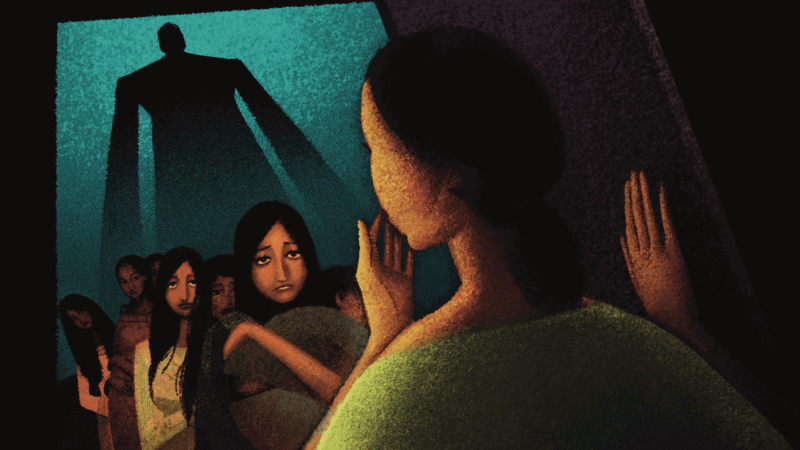
Why supporting a shelter for women is now ‘kind of radioactive’
That's how researcher Beatriz Garcia Nice describes the new U.S. stance under the Trump administration to programs addressing gender-based violence.

Telehealth abortion is in the courts. Share your experience.
Mifepristone is facing another major legal challenge.
