
For Ukrainians, a nuclear missile museum is a bitter reminder of what the country gave up
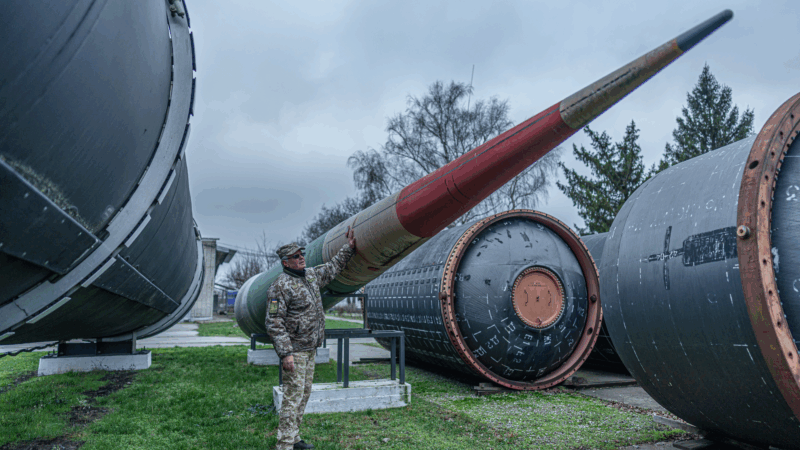
POBUZKE, Ukraine — In the middle of vast farm fields in southern Ukraine, you’ll find what was once a secret Soviet intercontinental ballistic missile launch site. Today it’s the Museum of Strategic Missile Forces.
Aside from chronicling the Cold War arms race between the Soviet Union and United States, the museum tells the story of how Ukraine dismantled its nuclear weapons arsenal — with assurances from the U.S., Britain and Russia that its sovereignty would be respected — shortly after becoming an independent country in 1991.
Today most Ukrainians believe that decision to give up nukes was a fateful mistake. For them, this museum is a bitter reminder of what they say was their “naivety” and “betrayal.”
On this cold, blustery December day, there aren’t many visitors, but Ihor Volodin and Inna Kravchuk have come from the neighboring Cherkasy region.
“I think it’s a part of our history and it’s important to know about it,” says Kravchuk. But she says it also makes her angry: “If we had kept these weapons, probably Russia would not have attacked. The nuclear weapons were our insurance.”
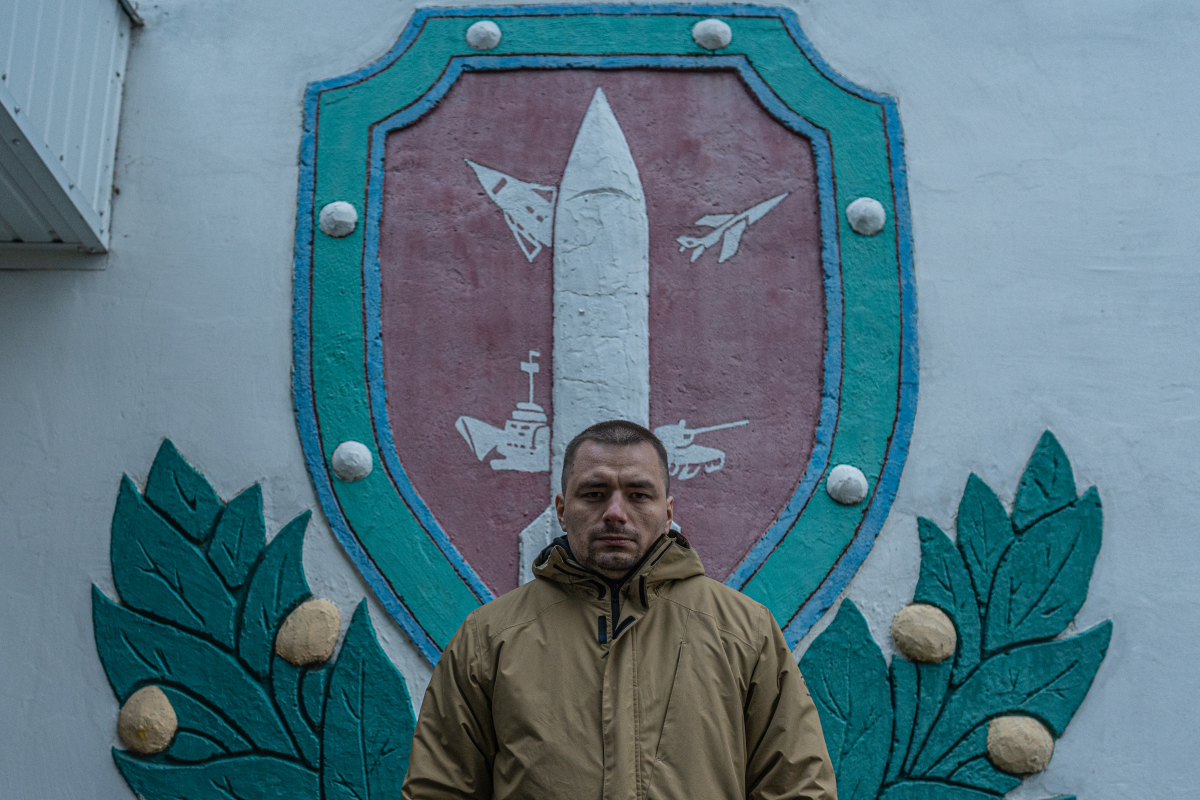
Hennadiy Vladimirovitch Fil, a 65-year-old guide, once served as a lieutenant colonel in the elite rocket forces here. He attributes his youthful complexion to all the time he spent in an underground silo at the site.
Fil says hardly anyone of a certain age leaves the museum without cursing.
But before that betrayal, there were four decades of the Cold War arms race, and this museum plunges visitors deep into that era on the Soviet side. Black-and-white portraits of Soviet commanders sporting stern looks and chests full of medals stare down from the walls, while old rotary phones and antiquated 1960s control panels help re-create the gloomy atmosphere of the epoch. The place is at once creepy, fascinating and at times overwhelming with detail.
Fil uses a long pointer to highlight wall maps and charts that chronicle the arms race and planned mutual destruction between the U.S. and USSR. He says the 10 intercontinental ballistic missiles once based here could have reached the U.S. East Coast within 25 minutes of launch. Each could carry 10 nuclear warheads with a destruction capacity of 200,000 square kilometers or 77,000 square miles — roughly the area of Nebraska.

When the USSR broke apart in 1991, Ukraine was left with the world’s third-largest nuclear arsenal, after the U.S. and Russia. In January 1994, then-President Bill Clinton stopped over in Kyiv on his way to Moscow, for talks with Ukraine’s first democratically elected president, Leonid Kravchuk. Later that year, a deal was reached for Ukraine to give up its nuclear weapons.
That agreement, known as the Budapest Memorandum, was signed in Hungary by Ukraine, Russia, the U.S. and Britain. Ukraine’s three co-signers promised its territorial integrity would be respected.
A newsreel playing in the museum shows how Ukraine’s nuclear missiles were destroyed in the mid-1990s. Jets capable of carrying nuclear warheads were also dismantled. The 10 silos that once held missiles were filled with concrete — except one that has been kept as an exhibit on the museum grounds, where visitors can see the massive, decommissioned missile nesting inside a silo.

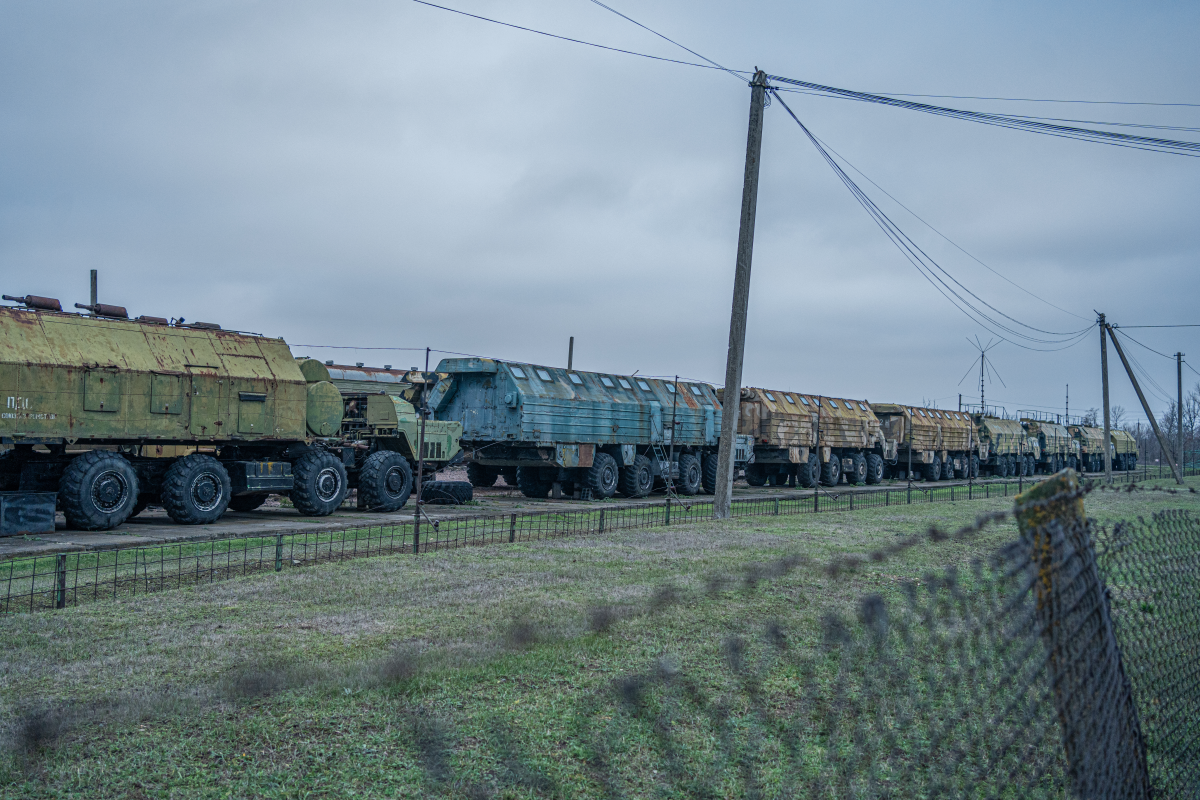
There is also a vast display of hardware from different Soviet and Russian wars: World War II, Afghanistan in the 1980s, and destroyed Russian tanks from the current Ukraine war. There is also one of the missiles the Soviets pointed at the U.S. from Cuba during the 1962 Cuban Missile Crisis — known here as the “Caribbean Crisis.”
Fil notes bitterly that Ukraine also ended up giving several jets to Russia in payment for natural gas debts a few years later.
“Now,” he says, “Russia is bombing us with our own planes.”
Denmark’s Ambassador to Kyiv Thomas Lund-Sorensen is also visiting the museum on this day. He says while reducing the number of countries holding nuclear weapons is always a positive thing, he agrees that what happened to Ukraine was “a disgrace.”
“They gave them up with the promises of the three powers, and clearly the guarantees given from Russia at the time were not worth the paper they were written on,” says Lund-Sorensen.
Even Clinton has expressed his regret about the Budapest Memorandum. In an interview with Irish broadcaster RTE in the year following Russia’s 2022 full-scale invasion of Ukraine, Clinton said, “I feel terrible about it… and I feel a personal stake because I got them to agree to give up their nuclear weapons. And none of them believe that Russia would have pulled this stunt if Ukraine still had their weapons.”
This museum is a painful reminder of what happened, and underlines why Ukraine insists that ironclad security guarantees be part of any peace deal with Russia today.
Fil takes visitors along an underground corridor the length of two football fields before opening a door weighing 2,000 pounds, which leads to a tiny elevator.
The NPR team crams in to descend 150 feet in an underground silo. The doors open to a tiny living space with three slab bunks, a toilet, a hotplate and stale, strange-smelling air. Fil says this is where a launch crew could live for up to 45 days in case of a nuclear war. A wall ladder through an opening in the ceiling leads to a launch room above.

We climb through. After seating us in the two top commander seats – which are bolted to the floor and have harnesses to strap you in (Fil says a direct nuclear hit from America would have caused an explosion equal to an earthquake measuring 12 points on the Richter scale) – Fil flips a switch. The ancient-looking control board lights up. He places our hands on a button and a key for a simulation of a nuclear missile launch.
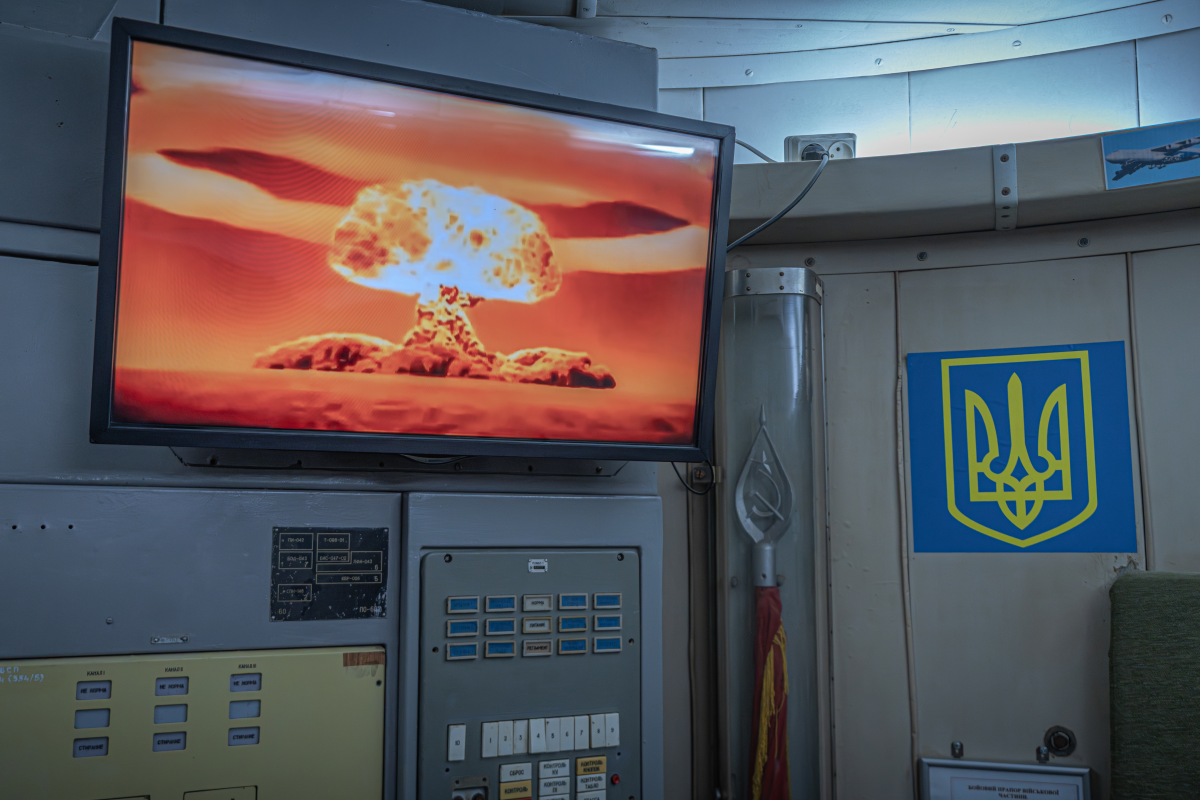
It takes two people making two gestures to launch the missiles. As he gives the launch order, we press the button and turn the key. A loud alarm begins to sound. On a screen above, we watch a simulation of the ballistic missiles rising from their silos and launching one by one in a ball of fire.

Despite Russia’s recent threats, Fil says he doesn’t believe Russian President Vladimir Putin would dare use a nuclear weapon.
“They’re too unpredictable,” he says. He adds that Russia also knows it would face harsh consequences for such an act.
We watch the missiles in the simulation travel through space. Soon they begin hitting their targets.
The view from space on our screen shows mushroom clouds blossoming across the planet and a narrator describes a chain reaction depleting all oxygen from the atmosphere and thus ending life on our planet.
Fil says he’s thankful it never came to that. But he still regrets that Ukraine gave up its nuclear deterrence.

HUD proposes time limits and work requirements for rental aid
The rule would allow housing agencies and landlords to impose such requirements "to encourage self-sufficiency." Critics say most who can work already do, but their wages are low.
Paramount and Warner Bros’ deal is about merging studios, and a whole lot more
The nearly $111 billion marriage would unite Paramount and Warner film studios, streamers and television properties — including CNN — under the control of the wealthy Ellison family.

A new film follows Paul McCartney’s 2nd act after The Beatles’ breakup
While previous documentaries captured the frenzy of Beatlemania, Man on the Run focuses on McCartney in the years between the band's breakup and John Lennon's death.

An aspiring dancer. A wealthy benefactor. And ‘Dreams’ turned to nightmare
A new psychological drama from Mexican filmmaker Michel Franco centers on the torrid affair between a wealthy San Francisco philanthropist and an undocumented immigrant who aspires to be a dancer.
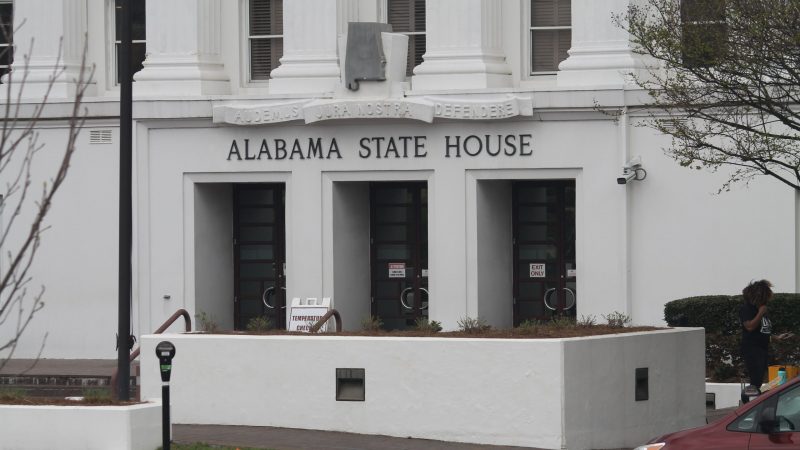
Bill making the Public Service Commission an appointed board is dead for the session
Usually when discussing legislative action, the focus is on what's moving forward. But plenty of bills in a legislature stall or even die. Leaders in the Alabama legislature say a bill involving the Public Service Commission is dead for the session. We get details on that from Todd Stacy, host of Capitol Journal on Alabama Public Television.
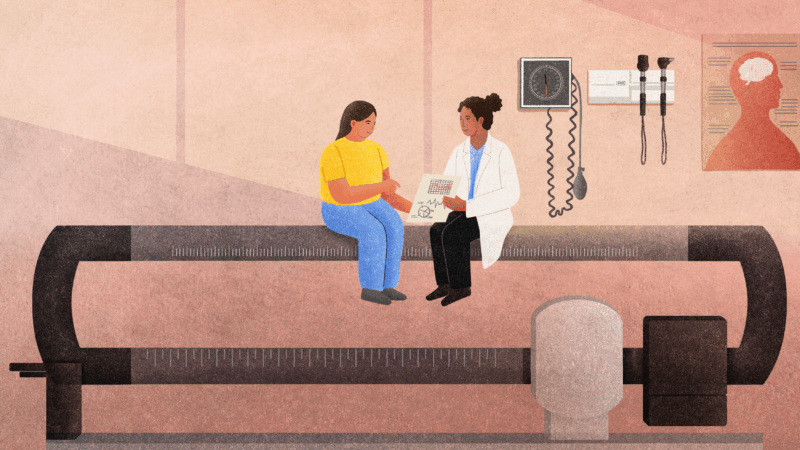
My doctor keeps focusing on my weight. What other health metrics matter more?
Our Real Talk with a Doc columnist explains how to push back if your doctor's obsessed with weight loss. And what other health metrics matter more instead.
