
Fewer characters on TV had abortions this year — and more stories reinforced shame
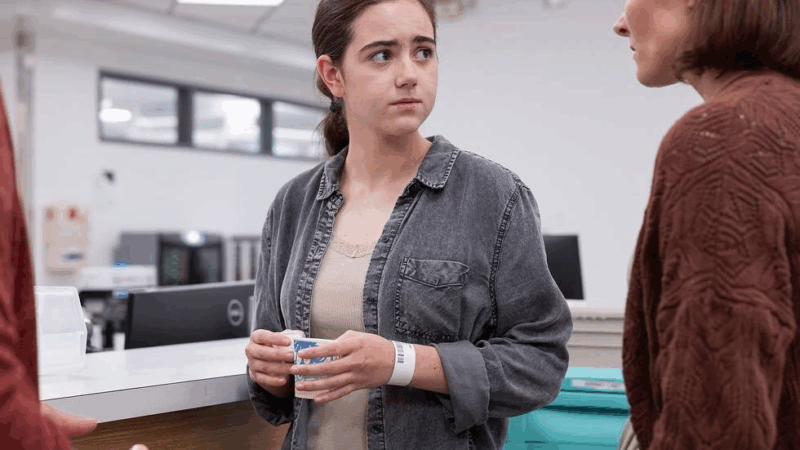
Storylines about abortion and conversations about it showed up on television 65 times this year, on prestigious dramas like The Pitt and Call the Midwife, on reality shows such as W.A.G.s to Riches and Love is Blind and on lowbrow animated comedies like Family Guy and South Park. That’s about the same as last year. In 2024, TV shows featured 66 such plotlines.
But in the past few years, there’s been a significant drop in the number of characters who actually went through with an abortion. 37% obtained an abortion in 2025, a 14% decline since 2023.
That’s according to the annual Abortion Onscreen report. It comes from Advancing New Standards in Reproductive Health, a research program on abortion and reproductive health based at the University of California San Francisco.
“I think there still is a lot of stigma, even in allegedly liberal Hollywood,” says researcher Steph Herold. She says the report, which has come out for about a decade, reflects a profound lack of accurate representation of abortion use in America. For example, she points to research showing that about 60% of real life Americans who seek an abortion deal with some sort of barrier.
“But only about a third of people who are characters on screen face any kind of barrier to abortion,” Herold said. “Whether it was not being able to come up with the cost of the abortion, not having somebody to watch their kids or cover for them at work, having to deal with clinics that are miles away, or in other states having insurance that wouldn’t cover the cost.” Most TV shows in 2025 depicting women struggling to get abortions focused on legal obstacles in the past and present.
On TV, 80% of characters seeking abortions are upper or middle class, but in real life, most abortion patients struggle to make ends meet. “This [disparity] obscures the role that poverty plays in obstructing access to abortion, and perhaps explains why we so rarely see plotlines in which characters wrestle with financial barriers to abortion access,” the study says.
This year, a teenager on The Pitt sought abortion pills to end her pregnancy — one of only three stories depicting medication abortion out of 65 plotlines about abortion this year. That’s another disparity between representation on-screen and real-world numbers: research shows that abortion pills account for the majority of abortions in the U.S. Another difference: only 8% of people seeking abortion on TV are parents. In real life, most abortion patients have at least one child.
It is unrealistic, says Herold, to expect TV to perfectly reflect current abortion use in the U.S., but she said she was disappointed by certain trends. Fewer characters this year received emotional support around their abortions, and more shows, she said, including Chicago Med, 1923, Breathless and Secrets We Keep featured plotlines that emphasized shame and stigma around abortions, especially because of religion. These storylines, the report says, “both obscure the diversity of religious observance among people having abortions, portraying religious patients as exclusively Christian, and also only associating religion with prohibiting abortion, instead of being a meaningful or supportive part of someone’s abortion decision-making and experience.”
But even though abortion has long been a hot-button political issue, Herold says millions of Americans have had some sort of experience with abortions. “Whether it’s having one themselves or helping a daughter or a friend,” she said, adding that stories that reflect a diversity of abortion experiences will be familiar to many viewers.
One bright spot, she added, was that television is doing a better job of reflecting the racial realities of abortion. A slight majority of characters in abortion plotlines are people of color — and although they are by far the majority of abortion seekers in real life, this marks a notable improvement from a decade ago, when TV shows more often portrayed women seeking abortions as wealthy and white.

Bill making the Public Service Commission an appointed board is dead for the session
Usually when discussing legislative action, the focus is on what's moving forward. But plenty of bills in a legislature stall or even die. Leaders in the Alabama legislature say a bill involving the Public Service Commission is dead for the session. We get details on that from Todd Stacy, host of Capitol Journal on Alabama Public Television.
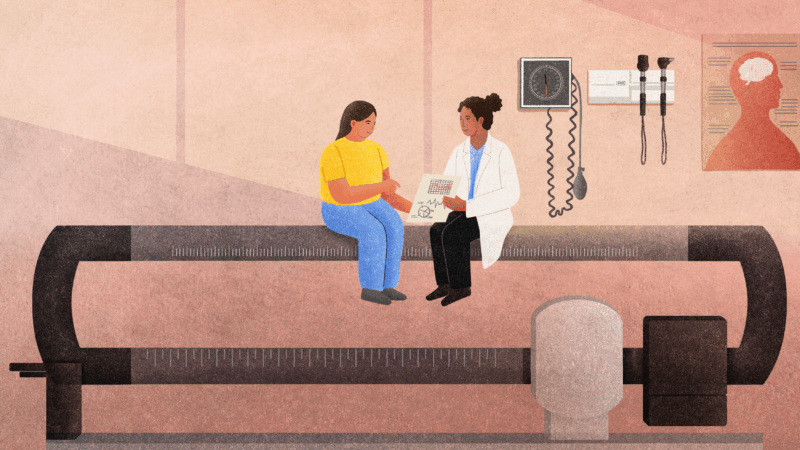
My doctor keeps focusing on my weight. What other health metrics matter more?
Our Real Talk with a Doc columnist explains how to push back if your doctor's obsessed with weight loss. And what other health metrics matter more instead.
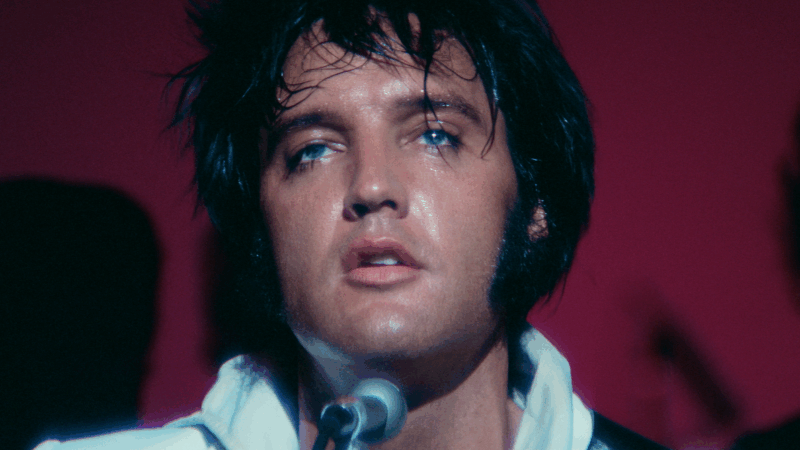
Baz Luhrmann will make you fall in love with Elvis Presley
The new movie is made up of footage originally shot in the early 1970s, which Luhrmann found in storage in a Kansas salt mine.

Forget the State of the Union. What’s the state of your quiz score?
What's the state of your union, quiz-wise? Find out!

A team of midlife cheerleaders in Ukraine refuses to let war defeat them
Ukrainian women in their 50s and 60s say they've embraced cheerleading as a way to cope with the extreme stress and anxiety of four years of Russia's full-scale invasion.
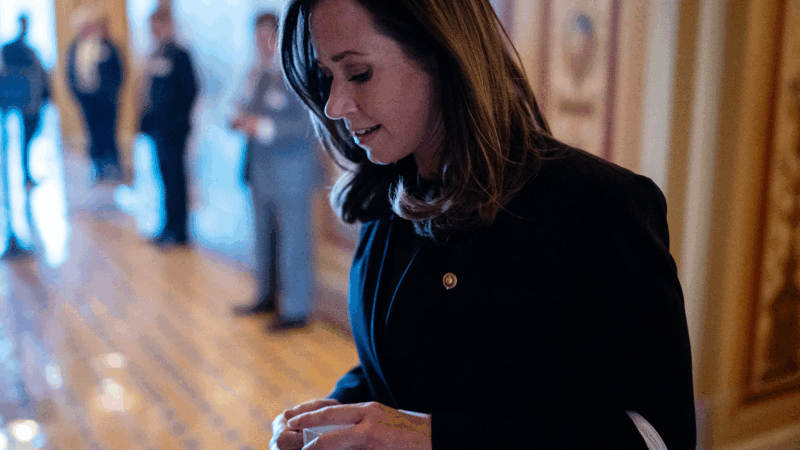
SNL mocked her as a ‘scary mom.’ In the Senate, Katie Britt is an emerging dealmaker
Sen. Katie Britt, Republican of Alabama, is a budding bipartisan dealmaker. Her latest assignment: helping negotiate changes to immigration enforcement tactics.
