
FEMA is getting rid of thousands of workers in areas recovering from disasters
Thousands of workers across the Federal Emergency Management Agency (FEMA) will lose their jobs this year, according to multiple people who attended personnel meetings that supervisors held in the last week.
FEMA supervisors warned that workers with multiyear contracts that are set to expire this year will not see those contracts extended, even if they are actively working on rebuilding efforts in places that recently suffered disasters. Some divisions within the agency stand to lose half their workers if current policies stay in place for the rest of the year, those with direct knowledge said. They all requested that NPR not use their names because they were told they would be fired for speaking to the press.
FEMA and the White House did not respond to questions about why employees are being let go or how the cuts will affect the agency’s ability to respond to disasters. President Trump has repeatedly stated that he believes FEMA is ineffective and should be eliminated as it currently exists, although the administration has not released a long-awaited report on specific reforms.
“I think it’s irresponsible,” says Michael Coen, who served as FEMA chief of staff under the Biden and Obama administrations. “I think it’s going to adversely affect FEMA’s ability to respond and help communities recover.”
The Washington Post originally reported on plans to cut about 50% of the agency’s workforce.
The FEMA employees who are set to lose their jobs fill a wide variety of positions. Unlike other federal agencies, FEMA relies on a large number of workers on two-to-four-year contracts. That’s because Congress wanted the agency to be able to dial up the number of workers to meet demand after major events and reduce it during quieter periods.
“It’s a pretty significant part of the workforce,” says Coen, who estimates that about 40% of FEMA workers are part of what’s known as the CORE division, which is short for the Cadre of On-Call Response/Recovery Employees. That amounted to nearly 9,000 workers as of 2022, the most recent year for which data was available from the Government Accountability Office.
Such employees fill crucial roles around the United States. They are often the first FEMA workers on the ground at disasters, deployed to help survivors access immediate funds to pay for hotel rooms, food, clothing, baby formula and other essentials.
Such workers also help disaster survivors fill out paperwork to apply for money to repair their homes. Then they work with local governments for years to help them rebuild after hurricanes, floods and wildfires.
“There’s not really any plan in place to keep around people that might be in critical chains of command,” points out Jeremy Edwards, who served as FEMA press secretary under the Biden administration. For example, people who work directly with disaster survivors or who help local governments prepare for hurricane season.
Former senior FEMA leaders echoed that concern. “This will cause extended recovery times for communities impacted by disasters,” says Deanne Criswell, who led FEMA under the Biden administration.
Coen expressed worry about specific places that have been hit hard by hurricanes and floods in the last few years. “This will delay recoveries across the country. In western North Carolina, in Kerr County, Texas, in Florida,” he says, listing three places that are still recovering with the help of federal disaster funds. “Flooding in Vermont and Kentucky. Wildfires in Maui, in Los Angeles. There are FEMA staff in all those places, and they’re primarily CORE staff that are on the ground.”
The cuts may also face legal challenges. A law passed in the wake of Hurricane Katrina bars the Department of Homeland Security, which oversees FEMA, from making cuts to the agency that would significantly hamper the agency’s ability to respond to disasters. On Wednesday, 13 House Democrats sent a letter to the White House alleging that plans to dramatically reduce the size of FEMA violate that law.
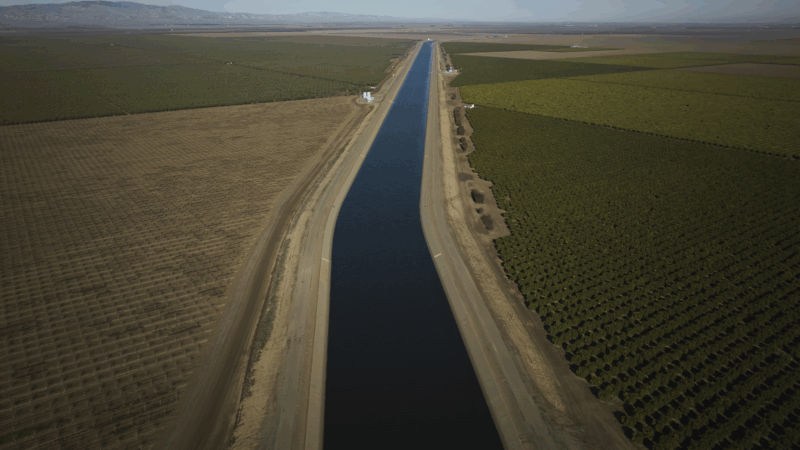
Why farmers in California are backing a giant solar farm
Many farmers have had to fallow land as a state law comes into effect limiting their access to water. There's now a push to develop some of that land… into solar farms.

Every business wants your review. What’s with the feedback frenzy?
Customers want to read reviews and businesses need reviews to attract customers. But the constant demand for reviews could be creating a feedback backlash, experts say.

Can’t get a prescription renewed? Here’s how to cope with prior authorizations
These health care hurdles can stand in the way of getting treatment your doctor says you need. Here's what to know about how to deal with them.
Civil rights leaders say the racial progress Jesse Jackson fought for is under threat
Activists say racial progress won by the Rev. Jesse Jackson is under threat, as a new generation of leaders works to preserve hard-fought civil rights gains.
‘Get back to integrity’: Oklahoma’s Kevin Stitt on Republicans after Trump
NPR's Steve Inskeep asks Oklahoma Gov. Kevin Stitt about his spat with President Trump, immigration and the future of the Republican Party.

Tariffs cost American shoppers. They’re unlikely to get that money back
After the Supreme Court declared the emergency tariffs illegal, the refund process will be messy and will go to businesses first.
